Natya Vaibhavam: Nearly 100 Young Dancers Celebrate the Beauty of Bharatanatyam in Pune
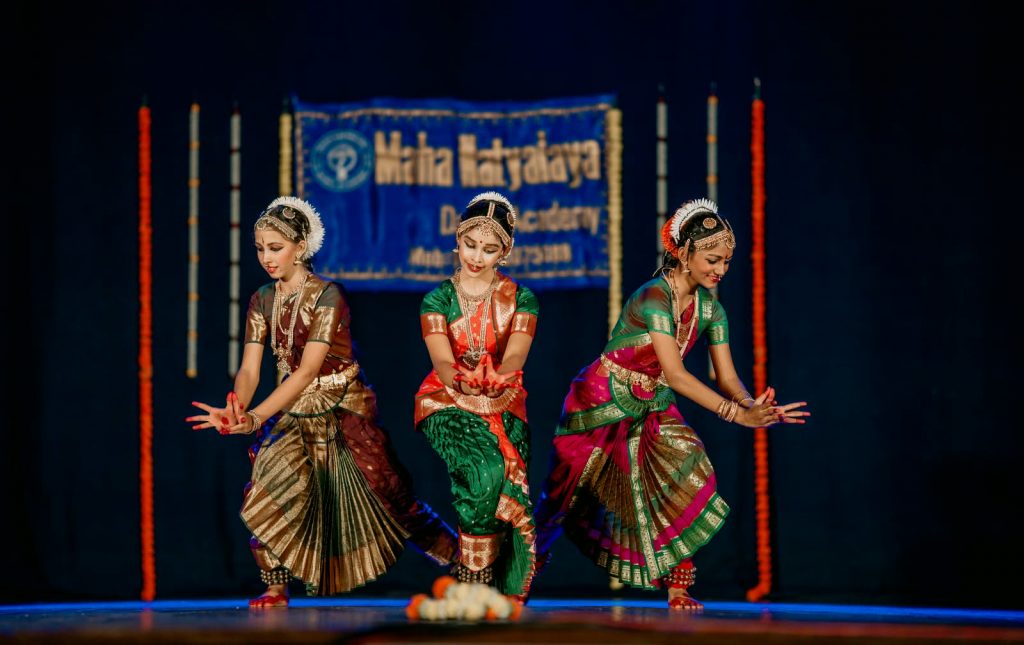
Pune, 28th October 2006: Graceful movements, intricate footwork and the rhythmic sounds of Carnatic music came together as nearly 100 young dancers took the stage for Natya Vaibhavam, a Bharatanatyam presentation organised by Maha Natyalaya at the Natsamrat Nilu Phule Natyagruh auditorium in Pimple Gaurav on Sunday. The programme drew an audience of more than 600 people, celebrating the dedication of young performers and the enduring appeal of India’s classical dance traditions.
Dr Mahalakshmi Krishnamurthy, founder of Maha Natyalaya, tells Punekar News how young dancers are learning to express themselves through rhythm, devotion and India’s classical dance traditions.
The dancers, predominantly between six and 16 years old, presented a blend of performances reflecting different stages of their learning journey. From the simplicity and charm of beginners to the precision and expressive depth of advanced students, the evening offered a glimpse into the discipline, patience and artistic development that Bharatanatyam demands.
For Dr Mahalakshmi Krishnamurthy, founder of Maha Natyalaya and a disciple of Guru Smt Mythili Raghavan, the presentation was an opportunity to bring together the students’ learning and their growing confidence on stage.
Speaking to Punekar News, Dr Krishnamurthy said the programme reflected the efforts of students who have been learning the art form at different levels. The performances demonstrated how consistent training helps young dancers progress from learning basic movements to developing coordination, rhythmic understanding and expressive abilities.
From first steps to expressive performances
The programme featured students at different stages of their Bharatanatyam training. The beginners charmed the audience with simple, melodious presentations, while the more experienced dancers showcased intricate footwork, polished choreography and expressive abhinaya — the art of conveying emotions and meaning through facial expressions, gestures and body movements.
The contrast between the two groups highlighted an important aspect of classical dance education: artistic growth is a gradual process built on regular practice, attention to detail and an understanding of rhythm and expression.
For the young performers, the stage provided an opportunity to put their training into practice before a large audience. The enthusiastic response from the gathering added to the excitement, with applause accompanying the performances and appreciation growing as the programme progressed.
The participation of children and teenagers also reflected the role of dance academies in introducing younger generations to classical art forms while helping them develop confidence through public performances.
Carnatic music adds depth to the evening
Live Carnatic music formed an integral part of Natya Vaibhavam, lending the performances rhythmic precision and musical depth.
The accompanying artistes were vocalist Sri Rohan Pillai, violinist Sri Vijay Balaji and mridangam artist Sri Pancham Upadhyaye. Dr Krishnamurthy served as the nattuvanar, coordinating the rhythmic elements that guide the dancers’ movements.
The interplay between the vocalist, violinist, percussionist and dancers created a cohesive presentation in which music and movement complemented each other. The live accompaniment also highlighted the close relationship between Bharatanatyam and Carnatic music, with rhythm serving as the foundation for footwork and musical interpretation shaping the dancers’ expressions.
The devotional quality of the music added to the atmosphere, keeping the audience engaged throughout the evening.
Preserving tradition through young learners
Bharatanatyam requires more than learning a sequence of movements. Its practice combines physical discipline, rhythmic accuracy, musical awareness and the ability to communicate emotions and stories through performance.
For young students, mastering these elements takes time. Performances such as Natya Vaibhavam provide an opportunity to demonstrate progress while helping learners become more comfortable performing before an audience.
As the founder of Maha Natyalaya, Dr Krishnamurthy has been guiding students in their engagement with the classical dance form, drawing on the training and tradition she received from her guru, Smt Mythili Raghavan.
The participation of nearly 100 students at the programme brought together learners with different levels of experience, united by their interest in Bharatanatyam.
The evening concluded with resounding applause from an audience of more than 600 people. For the young dancers, it was a moment of recognition for their preparation and effort; for their guru, it marked an opportunity to see students share their learning through performance.
Through Natya Vaibhavam, Maha Natyalaya presented an evening that brought together music, movement and tradition, placing young dancers at the centre of a celebration of Bharatanatyam in Pune.