
Bengaluru Techie’s AI Experiment Exposes Gaps in India’s Digital ID Security
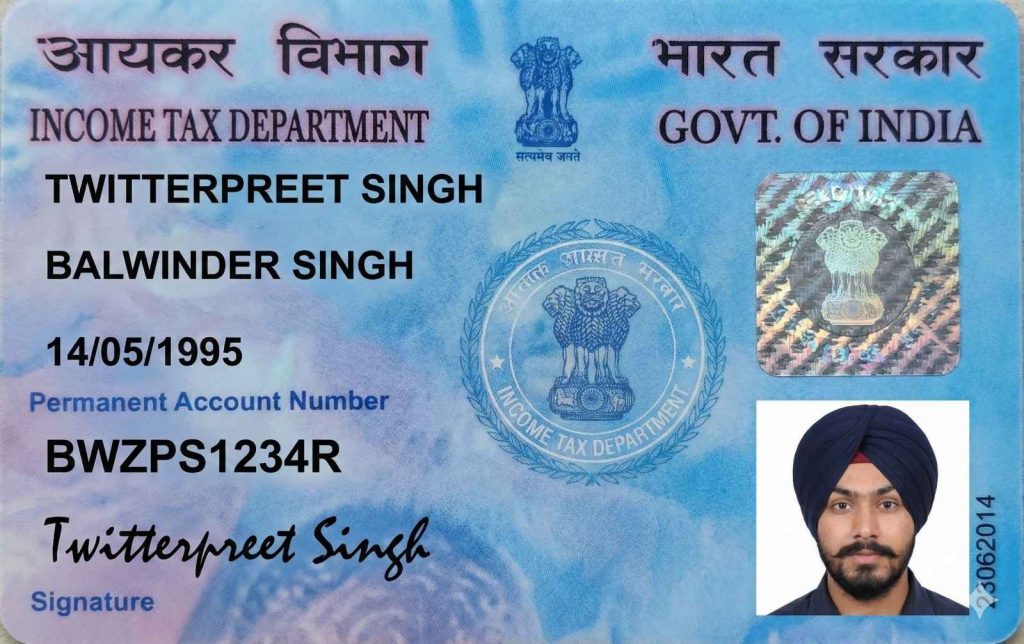
Bengaluru, 25th November 2025: A lighthearted social-media experiment by a Bengaluru tech professional has unexpectedly ignited a nationwide conversation on the future of digital identity security. What began as an online joke, generating PAN and Aadhaar cards for a fictional man named Twitterpreet Singh, has now raised serious questions about how India verifies authenticity in an era of rapidly advancing AI.
Harveen Singh Chadha, a software engineer, used Google’s latest AI imaging model, Nano Banana, to craft the mock identity documents. The output was strikingly realistic, enough to fool an unsuspecting viewer at first glance. Chadha posted the cards on X platform (earlier twitter), along with a warning that today’s verification systems may not be equipped to handle tomorrow’s AI capabilities.
“Nano Banana is good, but that is also a problem,” he wrote. “It can create fake identity cards with extremely high precision. The legacy image verification systems are doomed to fail.”
Although the cards carried the Gemini watermark, Chadha’s post stirred both concern and debate within the tech community. Some users were alarmed at how easily government documents could be replicated, calling it a wake-up call for regulators. Others countered that Google already embeds protection measures like SynthID, which can reveal whether an image was produced by Gemini.
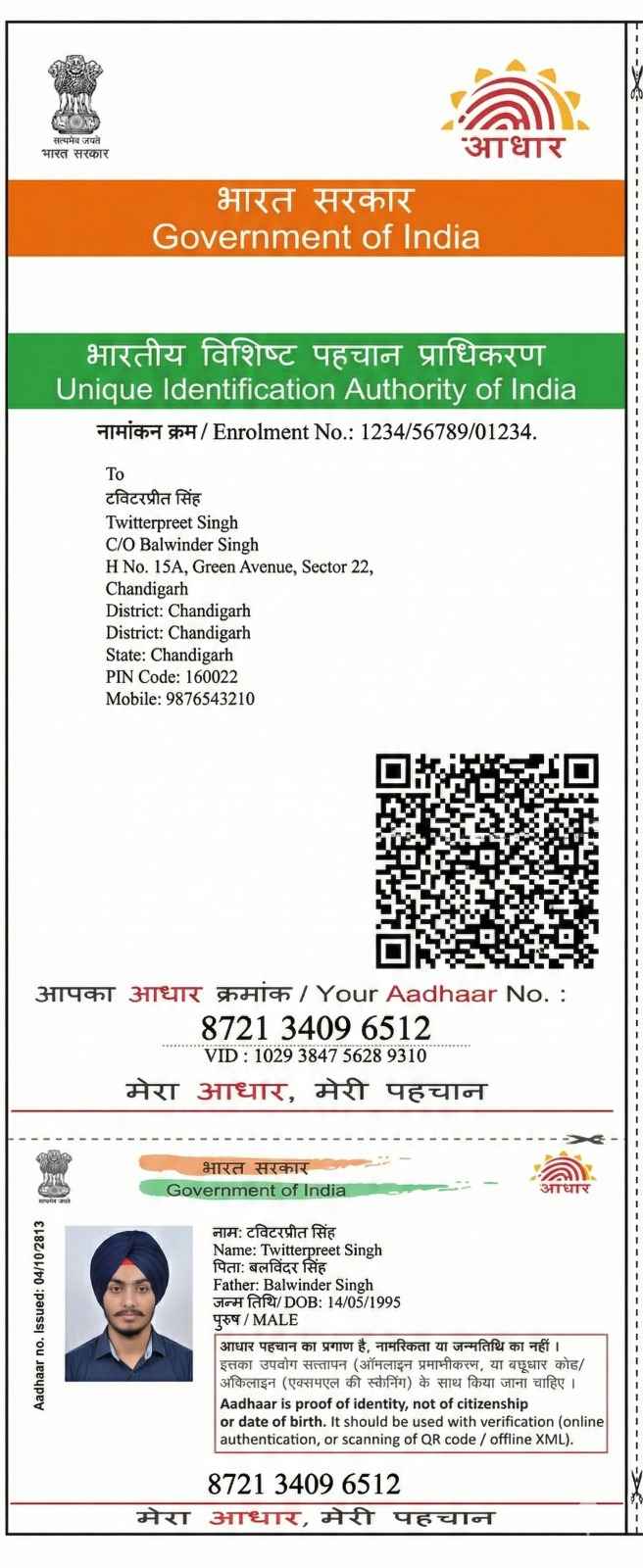
But critics argued that expecting field officers, hotel staff, front-desk clerks, or delivery agents to run every ID through a verification app is unrealistic. “No one is gonna scan every proof through the Gemini app,” Chadha noted.
Several users suggested that India’s verification ecosystem may need an overhaul. Scanning Aadhaar QR codes, they said, could soon be standard practice, especially as the updated Aadhaar app simplifies real-time authentication for private organisations.
A Broader Security Challenge
The episode highlights a growing global concern: as generative AI becomes more accessible, so does the ability to produce convincing replicas of official documents. Banks, telecom operators, and travel and hospitality businesses remain particularly vulnerable, especially in scenarios where IDs are still manually verified.
India is already working on strengthening its digital ID frameworks, but incidents like this are likely to accelerate conversations around KYC reforms, AI misuse prevention, and building authentication systems robust enough to withstand next-generation digital forgery.