Citizens Demand Regulation of Water Tankers Amid Soaring Prices in Eastern Pune
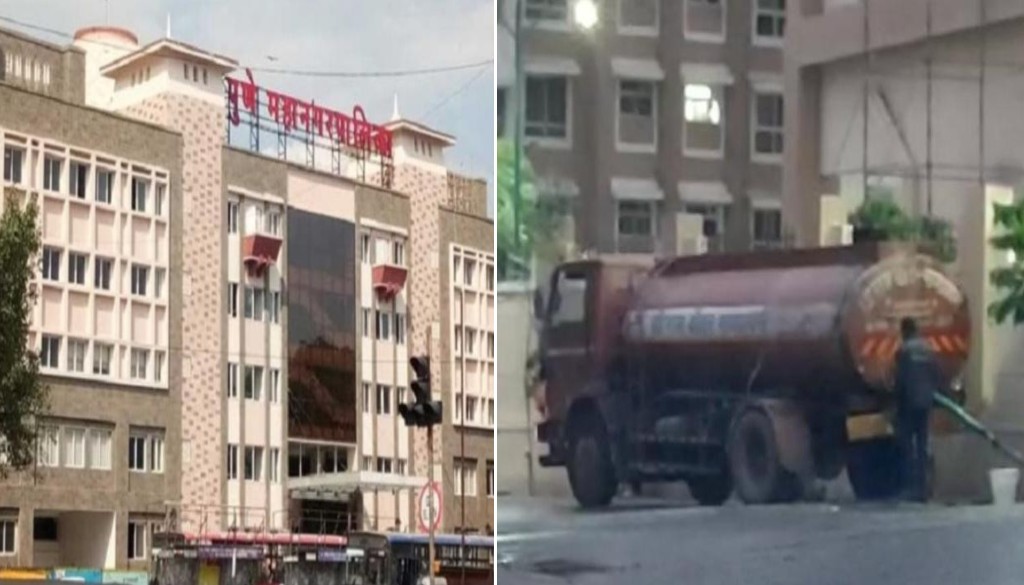
Pune, 12th April 2025: With mercury soaring and municipal water supply falling short, residents in Eastern Pune are raising alarm over steep hikes in private water tanker charges. Local housing societies and citizen groups have accused tanker operators of taking advantage of the water shortage, leading to calls for government regulation and intervention.
In areas like NIBM Annexe, Mohammadwadi, Undri, Kharadi, Wagholi, and Aundh, residents report that the price of private water tankers has nearly doubled in just two weeks—from ₹700 to as high as ₹1,400. This surge is placing a massive financial burden on residential societies already grappling with erratic supply.
“Water is a basic necessity, not a luxury. These inflated prices are unacceptable,” said Jaymala Dhankikar, Director of the NIBM Annexe Forum, who is leading a citizen campaign for fair tanker operations. “We need the district administration and the state government to step in, regulate the sector, and ensure that people aren’t exploited in times of crisis.”
Accusations of Hoarding and Artificial Scarcity
Citizen forums have raised concerns that some private tanker operators are deliberately withholding water to create artificial scarcity, driving prices up during peak summer months. The absence of a centralized system for monitoring water tanker supply and pricing has made the situation worse, residents allege.
“There is no transparency. Some operators delay deliveries or reduce the amount of water, then charge more,” said Daljeet Goraya, Secretary of Ganga Kingston Society in Mohammadwadi. “We used to pay ₹700, now it’s ₹1,200—and still we’re not sure of timely delivery. We’ve formally requested the Pune Municipal Corporation (PMC) to increase supply through official tankers.”
Wagholi Societies Also Hit Hard
The Wagholi Housing Societies Association (WHSA) echoed similar complaints. “Unregulated tankers prioritize those who pay more, leaving smaller societies without access,” said Sanjeev Kumar Patil, WHSA Director. “We are calling for legal frameworks to ensure equitable water distribution and fair pricing.”
According to WHSA, tankers are currently charging between ₹1,200 and ₹1,400 per delivery—figures that are unsustainable for many middle-income societies.
Citizen Demands: Regulation, Licensing, and Accountability
The petitions submitted by citizen forums to the state government include several key demands:
- Cap prices to prevent exploitation during shortages.
- Enforce licensing to regulate the number of tankers and their water sources.
- Monitor water extraction from borewells and prevent illegal tapping of municipal sources.
- Ensure inspections for health and hygiene standards.
- Set up complaint mechanisms for consumers to report malpractices.
“Tankers are necessary during supply gaps, but without checks and balances, they can make things worse for the average citizen,” said Dhankikar. “Bringing them under a formal legal framework will ensure accountability and fairness.”
PMC’s Response: No Direct Control Over Private Tanker Rates
Responding to the concerns, PMC Water Supply Department Head Nandkishore Jagtap clarified, “We do not regulate the prices of private tankers. It’s a commercial activity beyond our jurisdiction.” However, he confirmed that action is being taken against municipal tanker drivers found demanding extra payments.
“Residents should report any misconduct or overcharging,” Jagtap added. “They can use our toll-free number 18001030222, WhatsApp 8888251001, or the PMCCARE app to file complaints. We’re also working to increase municipal water supply in the affected areas.”
Tanker Operators Cite Inflation, Operational Costs
Not all tanker operators agree with the accusations. A water supplier from Kharadi defended the price hike.
“We’re not trying to exploit anyone. The cost of fuel, driver wages, and vehicle upkeep has gone up significantly. We buy water from private borewells and invest in logistics,” he said. “We’re running a business, and inflation hits us too.”
Political Intervention on the Horizon
Member of Legislative Council (MLC) Yogesh Tilekar said the issue has reached his desk and will be raised in the state legislative council.
“There has to be a solution that’s fair to both residents and tanker operators,” Tilekar said. “We’ll work on a framework that balances the rights of citizens with the operational realities of water suppliers.”