Digital Intermittent Fasting: Why Experts Say It’s the Need of the Hour in the Screen-Dominated Era
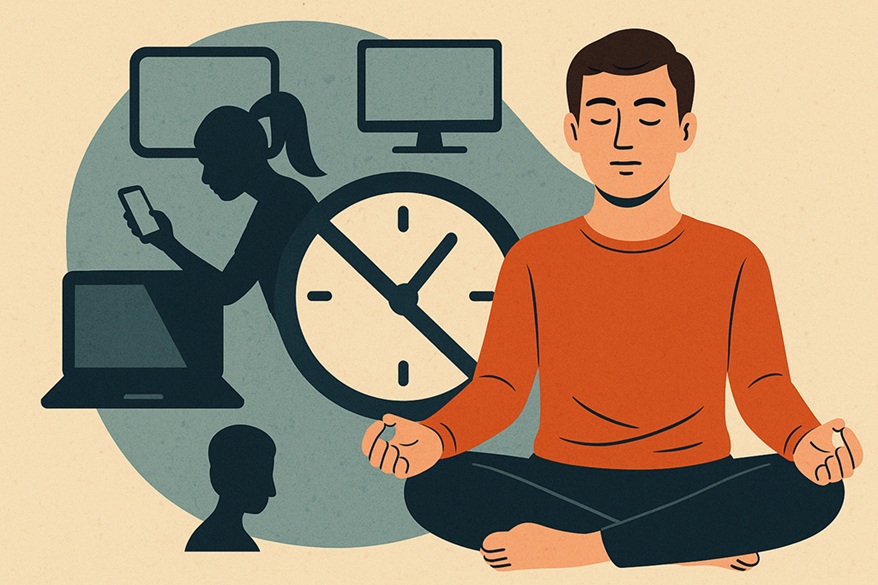
Mumbai, 22nd August 2025 – The age-old tradition of fasting has always been about discipline and self-restraint. But in today’s hyper-digital lifestyle, where the average person spends over 6–7 hours daily on screens, a new kind of fasting is gaining importance – digital intermittent fasting. Experts say it is as essential for the brain and eyes as food fasting is for the body.
What is Digital Intermittent Fasting?
According to Dr. Shruti Lanjewar Vasnik, Ophthalmologist at Kokilaben Dhirubhai Ambani Hospital, Mumbai, digital intermittent fasting means taking intentional breaks from mobile phones, laptops, televisions, and other digital devices.
“Just as we give the body rest through food fasting, in digital fasting, the eyes and brain get relief from constant screen exposure. This reduces fatigue, improves sleep, and keeps the brain active,” she explained.
Why Do We Need It?
With offices, schools, and entertainment all tied to screens, people are spending almost a quarter of their day online. Social media and gaming platforms trigger the brain’s dopamine reward system, pulling users back repeatedly and creating digital dependence.
Dr. Vasnik warns:
“Continuous screen use leads to eye strain, sleep disturbance, and higher stress levels. Over time, it turns into screen addiction, which impacts both mental and physical health.”
Health Risks of Excessive Screen Time
- Eye fatigue and dryness
- Poor sleep quality
- Headaches and mental stress
- Reduced concentration
- In children: disturbed sleep, poor academic focus, and faster eye strain
How to Start Digital Intermittent Fasting
Experts recommend small, gradual steps instead of sudden withdrawal:
- Avoid checking your phone for the first 30 minutes after waking up.
- Switch off devices at least one hour before bedtime.
- Begin with 1–2 hours of screen-free time daily and increase gradually.
- Dedicate one day a week to staying off social media completely.
For office workers, Dr. Vasnik suggests using the 20-20-20 rule:
“Every 20 minutes, look at something 20 feet away for 20 seconds. This gives the eyes and brain a much-needed break.”
Children vs Adults: Different Needs
- Children: No more than 1–2 hours of screen time per day. Excess use affects their developing eyes, sleep cycles, and concentration.
- Adults: Screen use is work-related, but regular breaks, posture correction, and digital fasting are crucial to avoid long-term damage.
Can It Boost Productivity?
Yes, say experts. Staying away from screens for fixed intervals improves concentration, enhances creativity, and reduces mental fatigue.
“Digital intermittent fasting helps people focus better on studies, work, and even personal interactions,” Dr. Vasnik added.