Essential Commodities Likely to Get Costlier After Pune APMC’s New User Charge, Say Poona Merchants Chamber
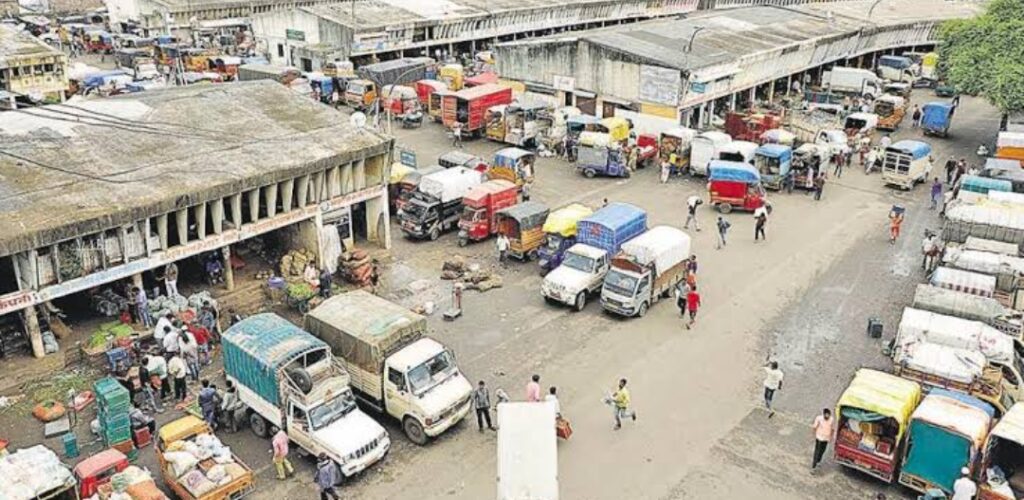
Pune, 30th May 2026: The Poona Merchants Chamber has strongly opposed the Pune Agricultural Produce Market Committee’s (APMC) decision to levy a one per cent user charge on transactions involving unregulated agricultural produce, non-agricultural goods and related commodities in its grain market section, alleging that the move will further fuel inflation and impose an additional burden on consumers.
Chamber president Rajendra Bathia said the decision would directly affect common citizens who are already struggling with rising fuel prices, increasing transportation costs and higher rates of essential commodities.
According to Bathia, the additional user charge is likely to increase the prices of everyday items such as pulses, sugar, edible oil, semolina (rava), wheat flour and maida. He claimed that the levy could raise the price of pulses by around Rs 150 per quintal, sugar by Rs 50 per quintal, flour products by Rs 40 per quintal and edible oil by nearly Rs 30 per container, placing further strain on household budgets.
The Chamber argued that the market committee is financially stable and that imposing an additional charge on traders and consumers solely to increase revenue is unjustified. Bathia alleged that despite generating income in excess of expenditure over the years, the APMC has failed to provide adequate facilities to market stakeholders. He pointed to shortcomings in roads, cleanliness, parking and other basic infrastructure within the market yard.
The market committee, however, has maintained that the user charge is expected to generate an additional Rs 10-15 crore in annual revenue, which will be utilised to improve infrastructure, sanitation and overall management of the market.
The Chamber contended that the levy could have the opposite effect, as higher prices within the market yard may encourage consumers to purchase goods from outside the APMC premises where no such charge is applicable. This, it said, could reduce trading volumes within the market and ultimately lead to a decline rather than an increase in revenue.
It also warned that lower business activity could adversely affect traders, farmers, hamals, labourers, transport operators and others dependent on the market ecosystem. The Chamber said the decision would ultimately hit ordinary consumers the hardest and further aggravate inflationary pressures.