From Cycling Network to Walkable Streets: PMC’s Big Plan to Fix Pune Traffic and Pollution
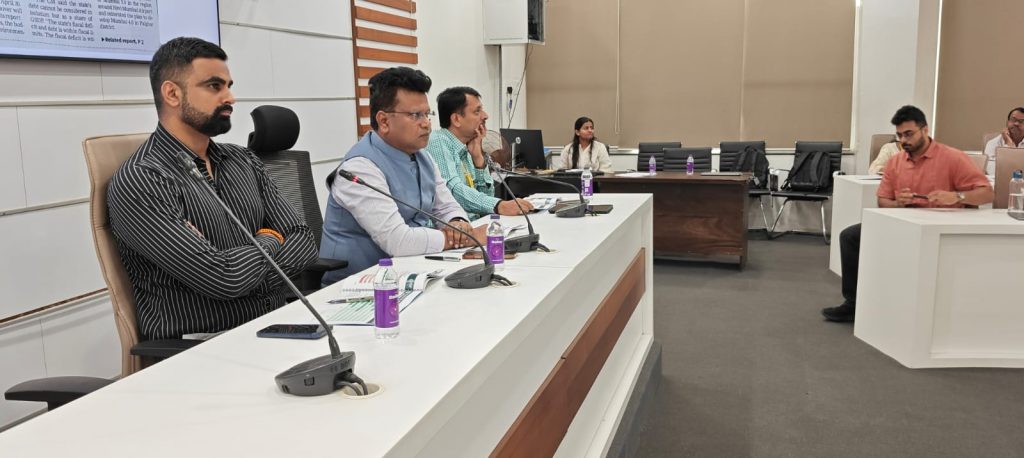
Pune, 13th March 2026: In an effort to address growing concerns over air pollution, traffic congestion and unsafe pedestrian infrastructure, the Pune Municipal Corporation (PMC) has outlined a comprehensive strategy focused on walkability, safer streets and sustainable mobility. PMC Commissioner Naval Kishore Ram on Friday presented an eight-point action plan aimed at reshaping urban mobility and improving the overall quality of life in the city.
The strategy was discussed during a high-level meeting held at the Pune District Collector’s office. Senior officials from PMC, the traffic police, Regional Transport Office (RTO), Maharashtra Pollution Control Board (MPCB), Public Works Department (PWD), along with urban mobility experts, representatives of non-government organisations and private stakeholders participated in the discussions.
The meeting, which lasted nearly three hours, focused on strengthening coordination between agencies responsible for traffic management, urban infrastructure and environmental regulation. Officials reviewed multiple factors contributing to the city’s deteriorating air quality and traffic problems, and explored measures aimed at reducing vehicular emissions and improving mobility in the rapidly expanding city.
One of the major proposals discussed during the meeting was the development of Shivajinagar as a pilot emission-free zone. The initiative aims to reduce vehicular pollution in one of Pune’s busiest commercial and transport hubs. Civic officials said that if the model proves effective, similar zones could be introduced in other parts of the city.
Improving pedestrian infrastructure emerged as another key focus area. The civic administration is planning large-scale improvements in footpaths, pedestrian crossings and street infrastructure to encourage walking and ensure safer mobility for citizens.
As part of the plan, the PMC intends to engage urban designers and mobility specialists to redesign key streets in the city. The redesign will incorporate modern street design principles that prioritise pedestrians, cyclists and public transport users while reducing the dominance of private vehicles.
Officials also discussed developing standardised designs for safe and obstruction-free footpaths along major roads. The proposed designs will include continuous pathways, better lighting, clearly marked crossings and accessibility features for senior citizens and persons with disabilities.
The meeting also examined the introduction of a parking policy covering six major roads in the city. The objective is to regulate roadside parking and reclaim carriageway space that is currently occupied by parked vehicles, which often contributes to traffic bottlenecks.
To promote non-motorised transport, the PMC is also considering the development of a structured 35-kilometre cycling network. The proposed network will include safer cycling corridors and improved connectivity with major public transport nodes.
Another proposal discussed was a structural reform plan for the Pune Mahanagar Parivahan Mahamandal Limited (PMPML), aimed at improving the efficiency of the city’s bus services and encouraging more commuters to shift from private vehicles to public transport.
Officials further deliberated on neighbourhood-level walkability plans designed to improve last-mile connectivity within residential areas. These plans are expected to encourage residents to walk for short-distance travel and reduce dependence on vehicles.
Special attention is also being given to road safety around educational institutions. The proposed school area safety plan includes traffic calming measures, better pedestrian crossings, restrictions on vehicle movement during school hours and improved footpath connectivity to ensure safer access for students.
Speaking after the meeting, PMC Commissioner Naval Kishore Ram said the initiative reflects a shift towards people-centric urban planning.
“All the concerned stakeholders, including traffic authorities, experts, NGOs and civic officials, were brought together to discuss solutions for the city’s pressing issues such as air pollution, congestion and pedestrian safety. The civic administration is committed to introducing meaningful and transformative changes in urban mobility,” Ram said.
He added that the progress of the initiatives will be closely monitored. “A review meeting will be held within the next fifteen days to assess progress. Experts have also been asked to incorporate newly merged areas into these plans so that the benefits are not limited only to the core city,” he said.
During the meeting, officials also assessed the major contributors to Pune’s worsening air quality, including vehicle emissions, road dust, construction activity and the increasing number of vehicles on the roads.
Participants highlighted the need for stricter monitoring of emissions, stronger enforcement against polluting vehicles, improved traffic management and better dust control measures at construction sites.
Pune District Collector Jitendra Dudi said the administration is working to bring multiple agencies together to address the city’s environmental and mobility challenges.
“Urban issues such as pollution, congestion and encroachments cannot be solved by a single department. By bringing experts, government agencies and civic bodies onto a common platform, we are working towards coordinated solutions that can deliver long-term results,” Dudi said.
He added that such consultations would help improve coordination among departments and strengthen the implementation of pollution control and traffic management measures.
Officials said that as Pune continues to grow rapidly, integrating better urban planning, pedestrian infrastructure and sustainable mobility solutions will be crucial for improving air quality and ensuring a better quality of life for residents.
Key initiatives proposed
• Shivajinagar to be developed as a pilot emission-free zone
• Pedestrian-first urban design with upgraded footpaths and crossings
• Appointment of urban designers to redesign major streets
• Standardised urban safety footpath designs across key roads
• Parking policy for six major roads to regulate roadside parking
• Development of a 35-km structured cycling network
• Structural improvement plan for PMPML bus services
• Neighbourhood walkability plans and school area safety initiatives