From LPG Prices to Railway Tatkal Rules: 5 Major Changes Taking Effect From August 1
New Delhi, 1st August 2026: Several financial and service-related changes have come into effect from August 1, impacting everything from household expenses and railway travel to banking and tax compliance. The new month brings revisions to LPG prices, changes in railway ticket booking, banking services and credit card policies that could affect millions of consumers across the country.
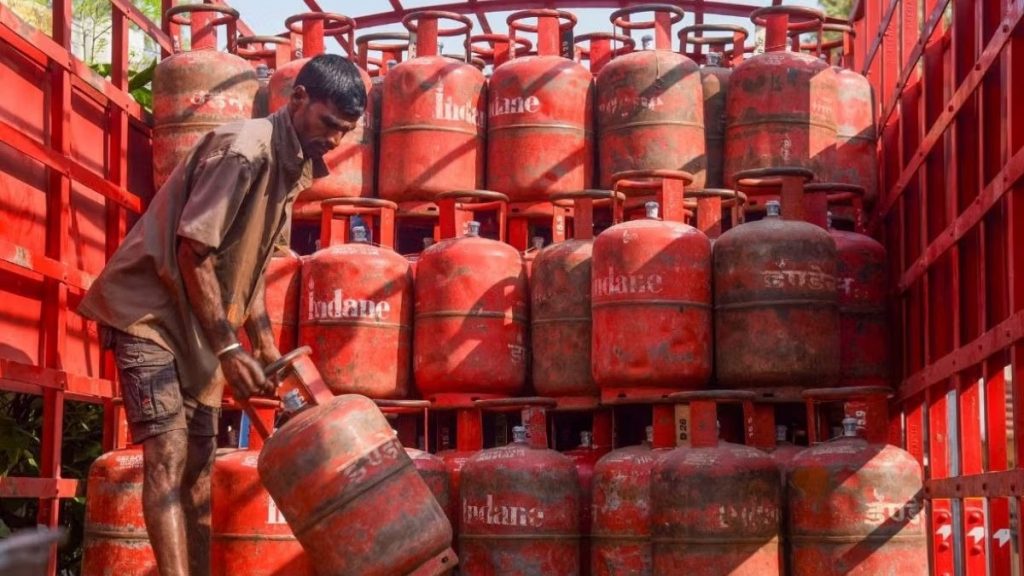
One of the most closely watched changes is the monthly revision in LPG cylinder prices. As is customary on the first day of every month, oil marketing companies have revised the prices of domestic and commercial LPG cylinders based on global fuel trends and market conditions. The changes may vary across cities.
Railway passengers booking Tatkal tickets will also see a change. Indian Railways has introduced a token-based system at reservation counters in select zones to reduce long queues, improve crowd management and make the booking process more transparent. Under the new system, passengers will receive tokens before Tatkal booking begins instead of waiting in physical queues.
Several banks have also revised their credit card policies from August 1. The changes include updates to reward point structures, service charges and late payment fees, depending on the issuing bank. Customers are advised to check the revised terms applicable to their cards to avoid unexpected charges.
In the banking sector, the rollout of CKYC 2.0 is expected to streamline customer verification by strengthening the Central Know Your Customer system. Some banks may also revise fixed deposit interest rates and other banking charges during the month.
Meanwhile, taxpayers who missed the Income Tax Return (ITR) filing deadline of July 31 can still file a belated return, but will have to pay a penalty. Depending on the taxpayer’s income, the late filing fee can range from ₹1,000 to ₹5,000.
With these changes now in effect, consumers are advised to review the updated rules before planning bank visits, railway bookings or financial transactions to avoid inconvenience and additional costs.