From Uniform to Civilian Life: Southern Command Strengthens Comprehensive Support for Ex-Servicemen
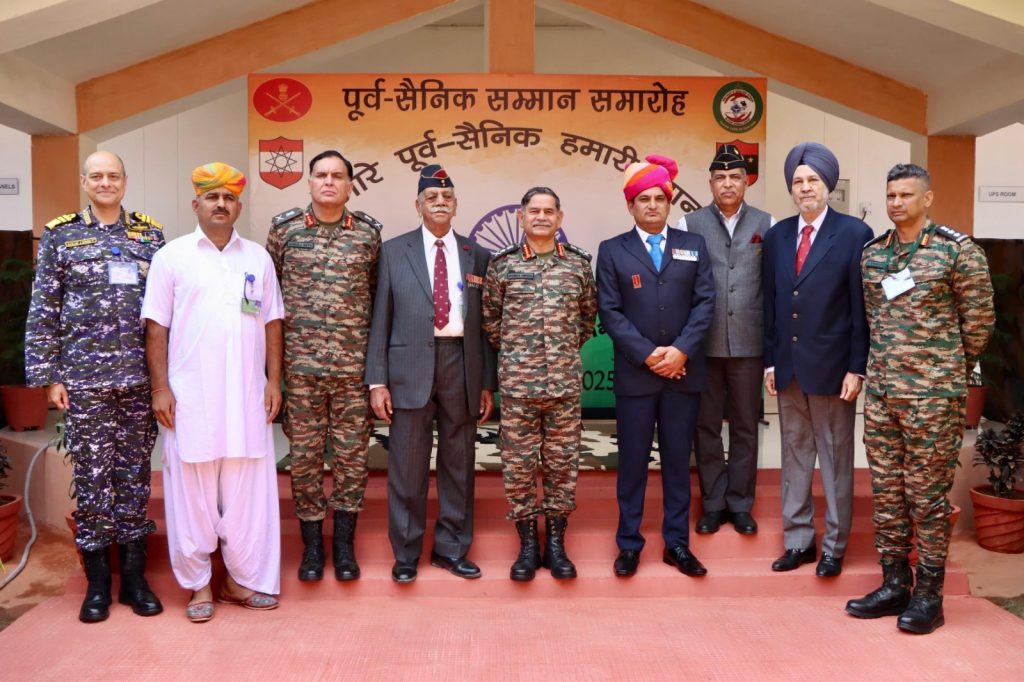
Pune, 13th January 2026: As India prepares to observe Defence Forces Veterans Day on January 14, the Indian Army’s Southern Command has underscored that care for veterans extends far beyond pensions and ceremonial recognition, highlighting a comprehensive welfare framework aimed at supporting ex-servicemen and their families long after active service ends.
Headquartered in Pune, Southern Command oversees one of the country’s largest veteran populations, making welfare delivery both a moral responsibility and an operational priority. Its approach reflects a core institutional belief that the relationship between a soldier and the Army does not conclude at retirement but continues as a long-term bond grounded in dignity, trust, and sustained support.
Veterans, shaped by years of disciplined service and leadership under pressure, continue to play a vital role in civilian life. Spread across urban and rural India, they form a dependable pool of trained leadership, contributing to sectors such as healthcare, education, disaster response, entrepreneurship, welfare administration, and community governance. Their influence is often felt during emergencies and civic challenges, where experience-driven authority and accountability bring stability and clarity.
Recognising these continued contributions, the Indian Army has institutionalised the Veterans Achievers Awards, honouring ex-servicemen who have made a meaningful impact after retirement. The initiative reinforces the message that service to the nation does not end with uniformed duty but evolves through active civilian engagement and nation-building roles.
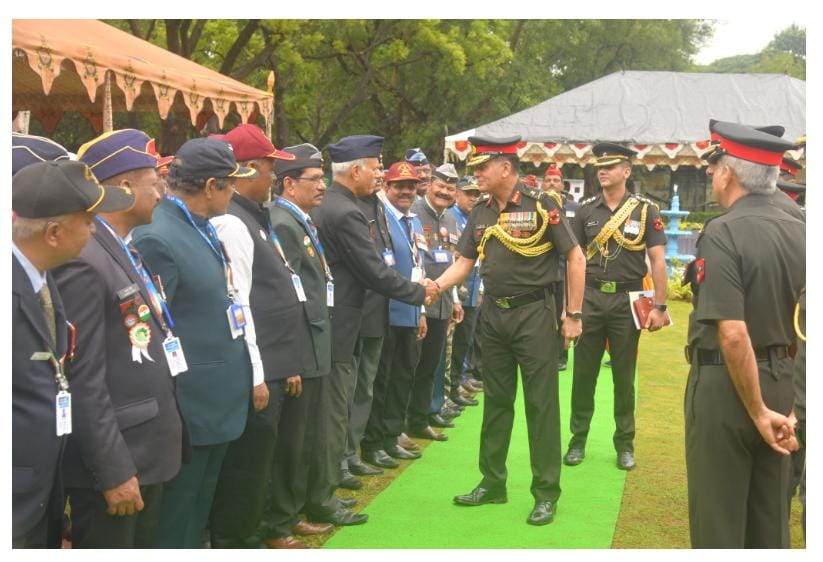
Within its area of responsibility, Southern Command has focused on delivering veteran welfare through practical, outcome-oriented measures. A widespread network of Ex-Servicemen Contributory Health Scheme (ECHS) polyclinics, supported by tie-ups with specialised hospitals, ensures access to timely medical care for veterans and their dependents. Regular welfare camps, veterans’ interaction programmes, and structured grievance redressal mechanisms address issues related to pensions, healthcare, and documentation, reducing delays and administrative burdens.
To support post-retirement livelihoods, Southern Command facilitates resettlement initiatives and employment fairs, enabling veterans to transition into productive second careers. Digital interventions, including assisted life certificate renewal and service facilitation centres, have further simplified access to welfare services, particularly for elderly veterans, widows, and those in remote areas. Coordination with civil administration has helped streamline processes and improve responsiveness.
Defence Forces Veterans Day serves as a reminder that veterans remain enduring partners in nation building. While the Army continues to strengthen institutional support systems, the occasion also calls upon society at large to recognise veterans not through symbolic gestures alone, but through sustained respect, inclusion, and fair access to healthcare, employment, and public services.
The initiatives undertaken by Southern Command reflect a broader national principle: a society that values its veterans as active assets, rather than viewing them solely through the lens of past service, is better equipped to build resilience and face future challenges. In reaffirming this commitment, the Indian Army reinforces the enduring bond between service, citizenship, and national responsibility.