Hidden No More: Dr Rughwani Calls for Mandatory Pre-Marital Thalassemia Screening
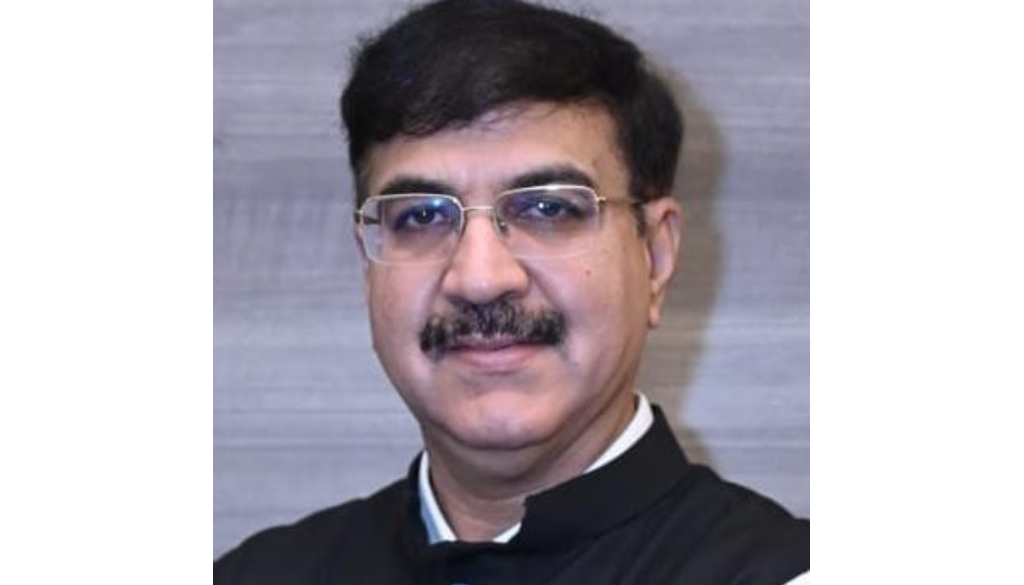
Nagpur, 8th May 2026: On the occasion of World Thalassemia Day that falls on Friday, 8th May, leading paediatrician, President Thalassemia and Sickle Cell Society of India and chief of Maharashtra Medical Council Dr Vinky Rughwani appealed the government agencies to make it mandatory for all young adults to be screened for thalassemia. He emphasized that this will considerably help reduce the prevalence of the genetic blood disorder in the country.
Thalassemia is an inherited blood disorder that requires lifelong management, including regular blood transfusions and medication. While treatment facilities have improved over the years, prevention remains the most effective and sustainable solution.
India continues to carry one of the highest burdens of thalassemia globally, with an estimated 2 lakh patients currently living with the disorder, and 10,000–15,000 children born with thalassemia major each year. The situation can be improved a lot with stronger preventive measures, specifically mandatory screening for all young people to know their thalassemia status before they get married.
Dr Rughwani, who also runs an NGO called Thalassemia and Sickle Cell Society of India, informed that he has written to the health ministry as well as the president of India in this regard. “The challenge with this disorder is that it only manifests when a person inherits the relevant gene from both parents. If only one parent passes it down, the person would otherwise be completely normal but would carry the gene that can pass it down to their offsprings if their partner also carries the same gene,” he explained.
His appeal aligns with this year’s theme for World Thalassemia Day which is ‘Hidden No More: Finding the Undiagnosed. Supporting the Unseen’. The union government has also included thalassemia elimination as a mission in the National Sickle Cell Elimination Mission launched in 2023, but the screening numbers still remain very small.
Explaining the rationale behind his demand, Dr Rughwani said, “Individuals found to have the traits (known as carriers) can avoid marrying another carrier and make informed reproductive choices, thus reducing the number of children born with these disorders.” This reduction in numbers, he believes, will not only help us distribute the available resources better for those affected by these conditions but also alleviate the burden on our healthcare system and society as a whole.
“Thalassemia is not just a treatment challenge, it is a preventable public health issue,” he further said. If screening is made routine during pregnancy, we can identify carrier couples early and offer them appropriate genetic counselling to prevent the disorder from being passed on, he added.