India Cannot Build Hospitals Fast Enough. It’s Time Healthcare Reached People First.
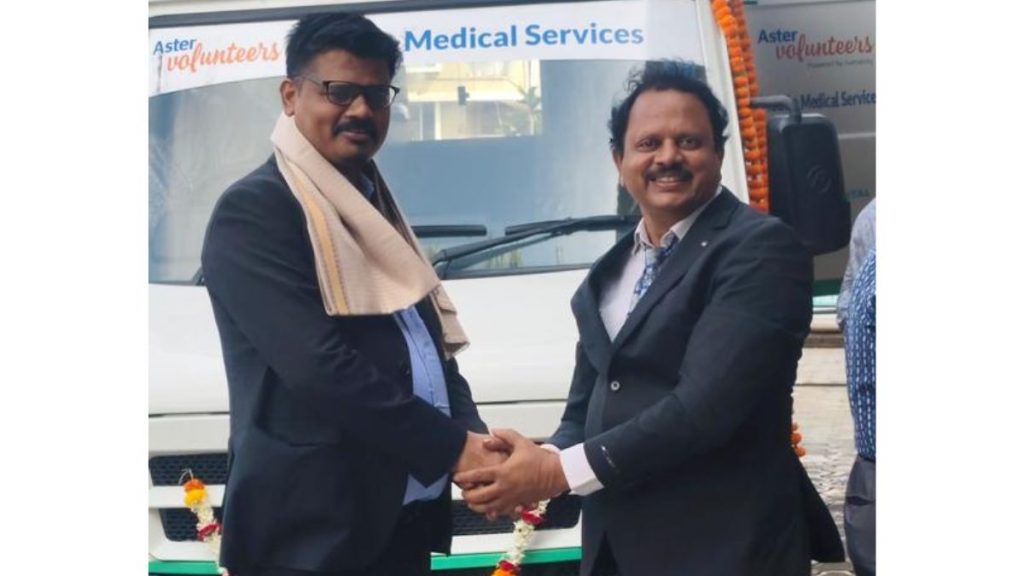
By Mr. Krishna Mohan Pinnaparaju, Founder, UDS Foundation
Pune, 01 July 2026: India’s healthcare system is undergoing one of its biggest transformations in decades. Across the country, Ayushman Arogya Mandirs are expanding access to primary care, telemedicine consultations have crossed hundreds of millions, and governments are investing heavily in digital health infrastructure. The direction is clear: healthcare can no longer depend only on hospitals. It must reach people before illness forces them into one.
This shift comes at a critical time. India is witnessing a steady rise in diabetes, hypertension, heart disease, cancers and other non-communicable diseases that account for nearly two-thirds of all deaths in the country. These illnesses often develop silently over several years. By the time symptoms become severe enough for a hospital visit, treatment is more complex, more expensive and often less effective. The greatest opportunity therefore lies not inside hospital wards, but within communities where diseases can be detected early or prevented altogether.
Geography continues to remain one of India’s biggest healthcare challenges. While urban centres have witnessed significant growth in hospitals and specialist services, millions of people in rural, tribal and underserved areas still travel long distances for routine consultations, diagnostic tests or follow-up care. For daily wage earners, senior citizens and vulnerable families, a hospital visit often means losing an entire day’s income in addition to travel expenses.
This is precisely why Mobile Medical Units (MMUs) have become one of the most practical innovations in public healthcare. Instead of waiting for patients to come to healthcare, healthcare travels to them.
Across India, more than 1,400 Mobile Medical Units are already supporting primary healthcare delivery in remote and difficult-to-access regions. Equipped with doctors, nurses, diagnostic equipment and medicines, these units provide basic consultations, maternal and child healthcare, screening for hypertension and diabetes, vaccination support, health education and referrals for specialised treatment when required. Increasingly, they are also being integrated with telemedicine platforms, allowing patients in remote villages to consult specialists located hundreds of kilometres away.
The impact extends far beyond convenience. Early detection reduces the burden of advanced disease, lowers healthcare costs for families and decreases pressure on overcrowded hospitals. A patient whose high blood pressure is diagnosed during a village outreach programme may avoid a future stroke. A woman whose breast abnormality is identified during a screening camp has a far greater chance of successful treatment. A diabetic patient who receives regular follow-up through community outreach is less likely to develop life-threatening complications. Preventive healthcare is not only better medicine; it is also better economics.
Maharashtra, with its diverse geography and rapidly growing population, has an opportunity to strengthen this model further. Urban hospitals will always remain essential for advanced care, surgery and emergency treatment. However, the state’s long-term healthcare success will increasingly depend on how effectively it expands screening, health awareness, digital consultations and community-based services beyond hospital walls. Mobile Medical Units should therefore be viewed not as temporary outreach programmes but as permanent extensions of the healthcare system.
At UDS Foundation, we have witnessed how accessible healthcare changes lives. When medical services are taken directly to communities, people seek help earlier, trust the healthcare system more readily and become active participants in maintaining their own health. Healthcare becomes proactive instead of reactive.
India’s healthcare future will not be built solely through larger hospitals or more hospital beds. It will be built by preventing disease before it becomes a crisis, by making healthcare available where people live and work, and by ensuring that no family delays treatment simply because quality care is too far away. The strongest healthcare system is not one that treats the most patients. It is one that prevents the greatest number from needing hospitalisation in the first place.