Maharashtra AI Policy 2026 Announced: Rs 10,000 Crore Investment, 1.5 Lakh Jobs Target
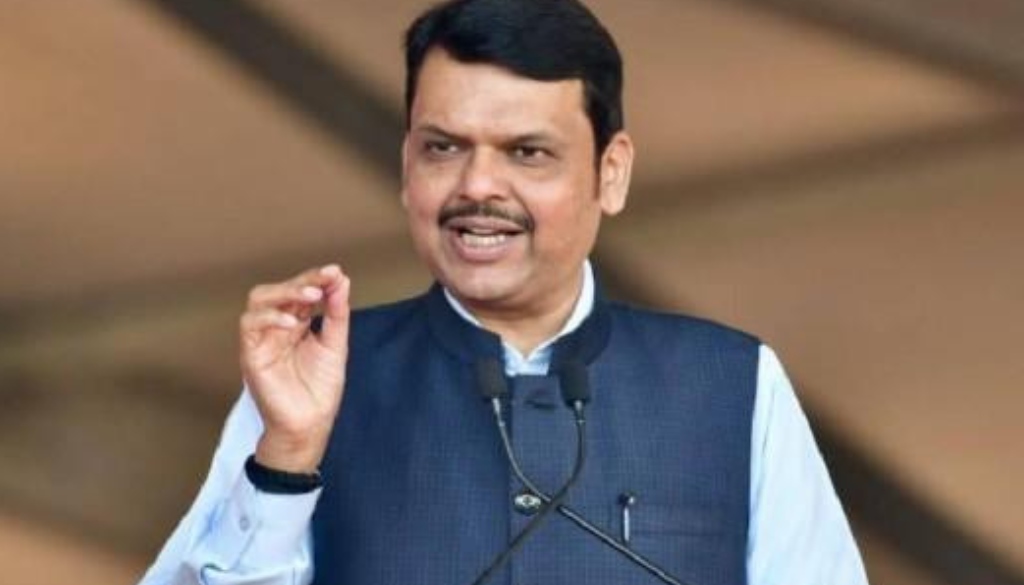
Mumbai, 30th April 2026: The Maharashtra government on Thursday announced the ‘Maharashtra AI Policy 2026’, aiming to accelerate the adoption of artificial intelligence across industries, governance and public services. The decision was taken at a state Cabinet meeting chaired by Chief Minister Devendra Fadnavis.
Modelled on the Centre’s India AI Mission, the policy seeks to promote research, innovation and responsible use of artificial intelligence. The state government has set a target of attracting investments worth over ₹10,000 crore and generating more than 1.5 lakh jobs by 2031.
Highlighting the rapid evolution of technology, the Chief Minister noted that artificial intelligence is expected to transform nearly 70 per cent of existing job roles in the coming years. He emphasised the need for the policy to remain flexible and adaptable to future technological changes.
The policy outlines Maharashtra’s ambition to position itself as a national hub for ethical and inclusive AI development amid growing global competition. As part of this vision, the government has proposed the establishment of a ‘Maharashtra AI Mission’. It also plans to provide AI skill training to nearly two lakh youth and professionals across the state.
The policy is structured around seven key pillars. The first focuses on building statewide AI infrastructure, including the creation of a computing capacity of at least 2,000 GPUs. A “compute-as-a-service” model will be developed to enable government departments to access these resources. Additionally, AI cities will be developed across five innovation clusters.
The second pillar emphasises the use of local data, including the creation of datasets in Marathi, regional dialects and tribal languages. A State AI Data Exchange platform will be established and integrated with the Centre’s AI Kosh platform. The third pillar proposes the setting up of the Maharashtra Centre for Advanced AI Training (MCAT) through a collaboration between industry and academic institutions.
The policy also includes significant provisions for startups and micro, small and medium enterprises (MSMEs). Around 5,000 MSMEs will receive a 20 per cent subsidy on AI implementation costs. A centralised ‘Maha AI Tools Hub’ will be created to support adoption.
To strengthen the startup ecosystem, a dedicated AI Startup Venture Fund of ₹500 crore will be established, with equal contributions from the government and private sector. The policy also aims to support the emergence of at least one AI unicorn from the state.
Under the fifth pillar, 12 AI incubators will be set up across Maharashtra. Startups will be eligible for grants of up to ₹1 crore, while women-led startups may receive up to ₹1.25 crore along with an additional 25 per cent financial support.
The sixth pillar focuses on establishing Centres of Excellence in six sectors: healthcare, agriculture, education, urban development, Marathi language and culture, and finance and revenue. The seventh pillar proposes a long-term framework for ethical AI use, including mandatory annual AI readiness audits for all government departments.
To attract investments, the policy offers a range of incentives, including up to 20 per cent capital subsidy on fixed investments, 100 per cent stamp duty exemption, electricity tariff subsidy of ₹2 per unit for up to 10 years, reimbursement of up to ₹8 lakh for domestic patents and ₹10 lakh for international patents, and certification cost support of up to ₹25 lakh. Companies participating in international exhibitions will also be eligible for rental reimbursements of up to ₹25 lakh.
Officials said the policy marks a significant step towards positioning Maharashtra as a leading player in the global artificial intelligence ecosystem.