
Maharashtra: Kolhapur Locals Name Tigers ‘Senapati’, ‘Subedar’ and ‘Baji’ in Sahyadri Tiger Reserve, Boosting Conservation Spirit
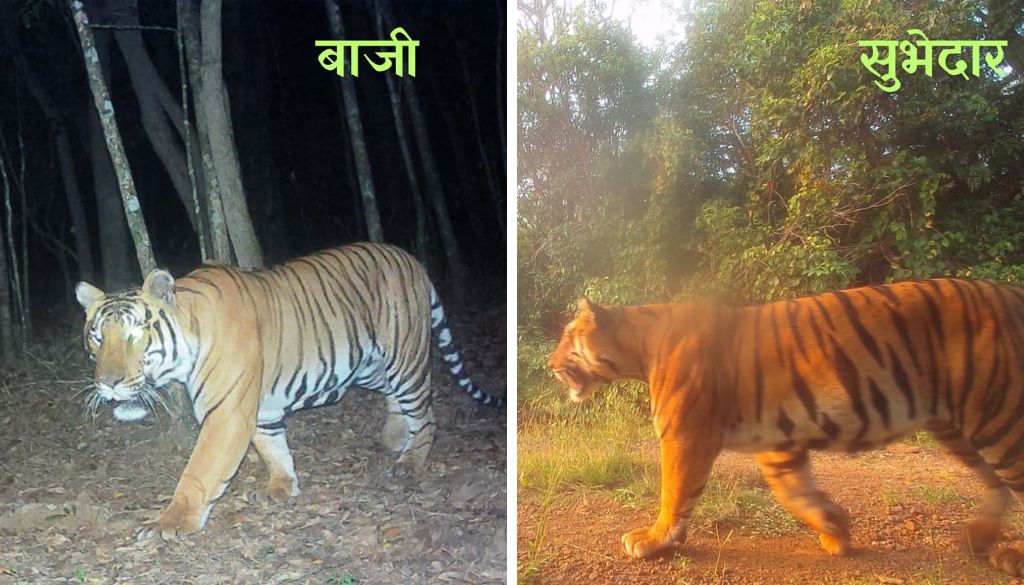
Kolhapur, 25th September 2025: In a heartwarming display of community pride and wildlife awareness, locals in the Sahyadri Tiger Reserve have given popular names to three resident tigers—STR-T1, STR-T2, and STR-T3—calling them ‘Senapati’, ‘Subedar’, and ‘Baji’. The gesture has strengthened the bond between people and wildlife, fostering a sense of participation in conservation efforts.
The named tigers are:
STR-T1: Senapati
STR-T2: Subedar
STR-T3: Baji
Tushar Chavan (IFS), Area Director of the Sahyadri Tiger Reserve, said, “The tigers in our reserve have been given these popular names by the local people. This not only raises public awareness about tigers but also builds a closer bond with them, providing new impetus to conservation work. The names ‘Senapati’, ‘Subedar’, and ‘Baji’ evoke the rich history and tradition of the Sahyadri region.”
Chavan also highlighted ongoing conservation efforts: “Currently, under a special initiative called Operation ‘Tara’, tigresses are being brought from Tadoba-Andhari Tiger Reserve (TATR) to the Sahyadri. This will boost biodiversity and ensure a sustainable increase in the tiger population.”
A New Direction for Public Participation
The naming of tigers by locals represents a unique form of social engagement in wildlife conservation. By assigning familiar and meaningful names, residents develop affection and respect for these apex predators, which can translate into stronger support for preservation initiatives.
Coupled with scientifically guided programs like Operation Tara, this community involvement creates a powerful confluence that benefits conservation, tourism, and public awareness. Experts say that such initiatives not only strengthen ecological balance but also inspire citizens to actively participate in protecting the natural heritage of the Sahyadri Tiger Reserve.
As the Sahyadri Tiger Reserve moves forward, the combination of community participation and strategic conservation measures offers a promising roadmap for the future of wildlife preservation in the region.