Nahay-Khay Marks Start of Four-Day Chhath Puja in Pune
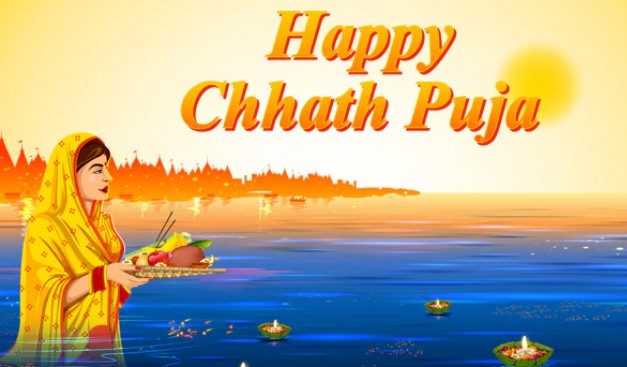
Pune, 25th October 2025: The four-day Chhath festival, a grand celebration of faith and devotion, began today, Saturday, with the first day, Nahay-Khay. Devotees and pilgrims thronged riverbanks and other waterbodies across the city to take part in the age-old rituals.
On Nahay-Khay, devotees start the festival by bathing in rivers or ponds and offering prayers to Lord Bhaskar. Hundreds of participants prepared prasad at the ghats. Wheat for the prasad is washed and dried in the water, while devotees and their families guard it, singing traditional folk songs to prevent disturbance by birds or insects.
Chanda Singh, a devotee, said, “This is not just a festival—it’s our emotion. It’s the only festival where the entire family comes together. On the first day, after taking a bath and offering water to the Sun, devotees have a simple meal, preferably roti, rice, chana dal, and bottle gourd (lauki) vegetable. Throughout the day, the vegetable and dal remain the same, while one may alternate between roti and rice.”
The Nahay-Khay meal strictly excludes garlic and onion.
Pandit Rakesh Jha explained, “On the first day of Chhath, three auspicious yogas—Shobhan Yoga, Ravi Yoga, and Siddha Yoga—coincide with the Jyeshtha Nakshatra. Women observing the Chhath fast first bathe in the Ganges in the morning and wear new clothes. After worshipping Mother Ganga, they return home and prepare prasad of pumpkin (gourd) and rice. The Chhath fast begins only after consuming this prasad.”
The traditional Nahay-Khay prasad includes gourd curry, raw rice, gram dal, amla chutney, and papad. It is first offered to the fasting woman or man and only afterward served to other family members.
On the significance of pumpkin rice, Pandit Jha added, “The tradition of consuming pumpkin rice with the entire family purifies the mind, speech, stomach, and soul. Eating these items as prasad keeps the body healthy and provides strength and inspiration to celebrate this great festival.”
Chhath Puja is a folk festival that lasts four days. It starts with Kartik Shukla Chaturthi and ends with Kartik Shukla Saptami. Chhath is celebrated twice a year:
Chaiti Chhath – observed in the Chaitra month of Vikram Samvat.
Kartik Chhath – celebrated at a very large scale in the Kartik month of Vikram Samvat.
The main worshippers, called parvaitin (devotee), are usually women. However, men also observe this festival as Chhath is not a gender-specific festival. The parvaitin pray for the well-being of their family, and for the prosperity of their children.
Kharna / Rasiaav-roti / Lohanda (day 2)
Kharna, also known as Rasiaav-roti or Lohanda, is the second day of Chhath Puja. On this day, as an act of worship, devotees do not drink even a single drop of water. In the evening, they eat gur ke kheer (kheer made of jaggery), called rasiaav, together with roti.
Sandhya arghya (day 3)
Indoor setup used for offerings
This day is spent by preparing the prasada (food offerings) at home, which often consist of thekua (cookies), rice laddu sweets, khajuria, tikri, kasar, and fruits (mainly sugarcanes, sweet lime, coconut, banana, and seasonal fruits) offered in small bamboo baskets. The food is strictly vegetarian and is cooked without salt, onions, or garlic. Emphasis is placed on maintaining the purity of the food.
In the evening, the entire household accompanies the devotee to a riverbank, pond, or other large body of water to make the arghya offerings to the setting sun. Where there is no river or pond, an indoor setup such as a tank or fountain is used. In certain places there are restrictions on using beaches for puja. Besides the devotees and their friends and family, other participants and onlookers help and receive the worshipper’s blessings.
When making arghya, Gangajal water is offered to Surya, and Chhathi Maiya is worshipped with the prasada. After the worship of the Sun God, participants sing Chhath songs in the night and read the Vrat katha.
After returning home, devotees perform the ritual of kosi bharai together with other family members. They tie together 5–7 sugarcanes to form a mandap beneath which 12–24 diya (lamps) are burnt and thekua and seasonal fruits are offered. The same ritual is repeated the next morning between 3 am and 4 am, and afterward the devotees offer arghya or other offerings to the rising sun.
Usha arghya (day 4)
At dawn on the last day of Chhath Puja, worshippers travel to the riverbank to offer arghya to the rising sun. After making this holy offering, parents pray to Chhatti Maiya for their child’s protection as well as the happiness and peace of their whole family. After worship, followers participate in the Paran or Parana rite, completion of their fast with a small amount of prasada and water. This rite emphasises the connection between family well-being and divine favours, serving as a symbol of thanksgiving and spiritual closure.
Rituals and traditions
In some communities, once a family member starts performing Chhath Puja, they are duty-bound to perform it every year and to pass it on to the following generations. The festival is skipped only if there is a death in the family that year. If the person stops performing the ritual on any particular year, it stops permanently and one cannot resume it. In other communities, this is not mandatory.