NCW Chief Vijaya Rahatkar Highlights Need for Emotional Support After Pregnancy Loss
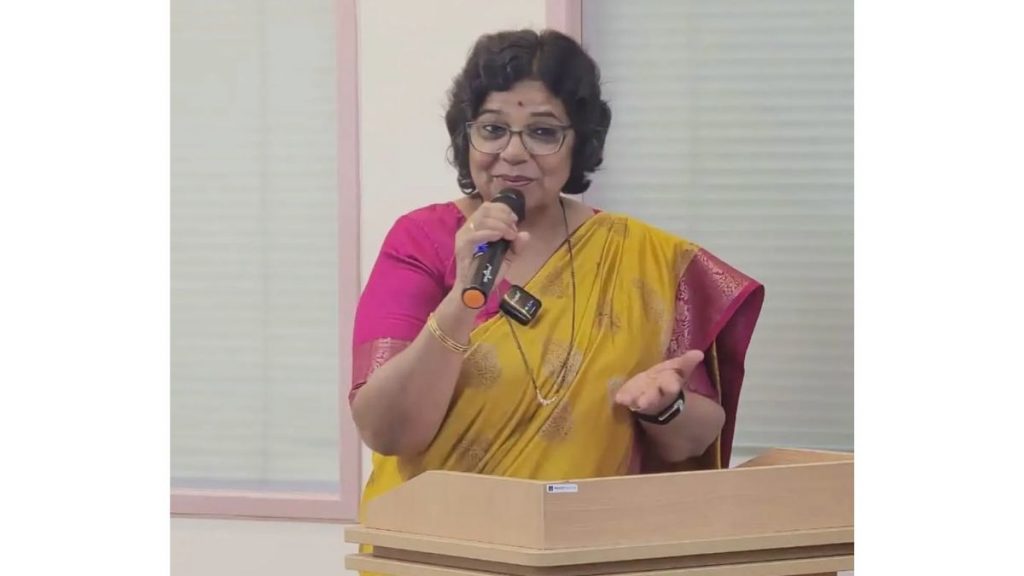
Pune, 14th October 2026: National Commission for Women (NCW) Chairperson Vijaya Rahatkar on Tuesday stressed the need for emotional support groups to help families cope with pregnancy loss and the death of a child, saying many people struggle with loneliness and find it difficult to share their grief despite being surrounded by others and remaining active on social media.
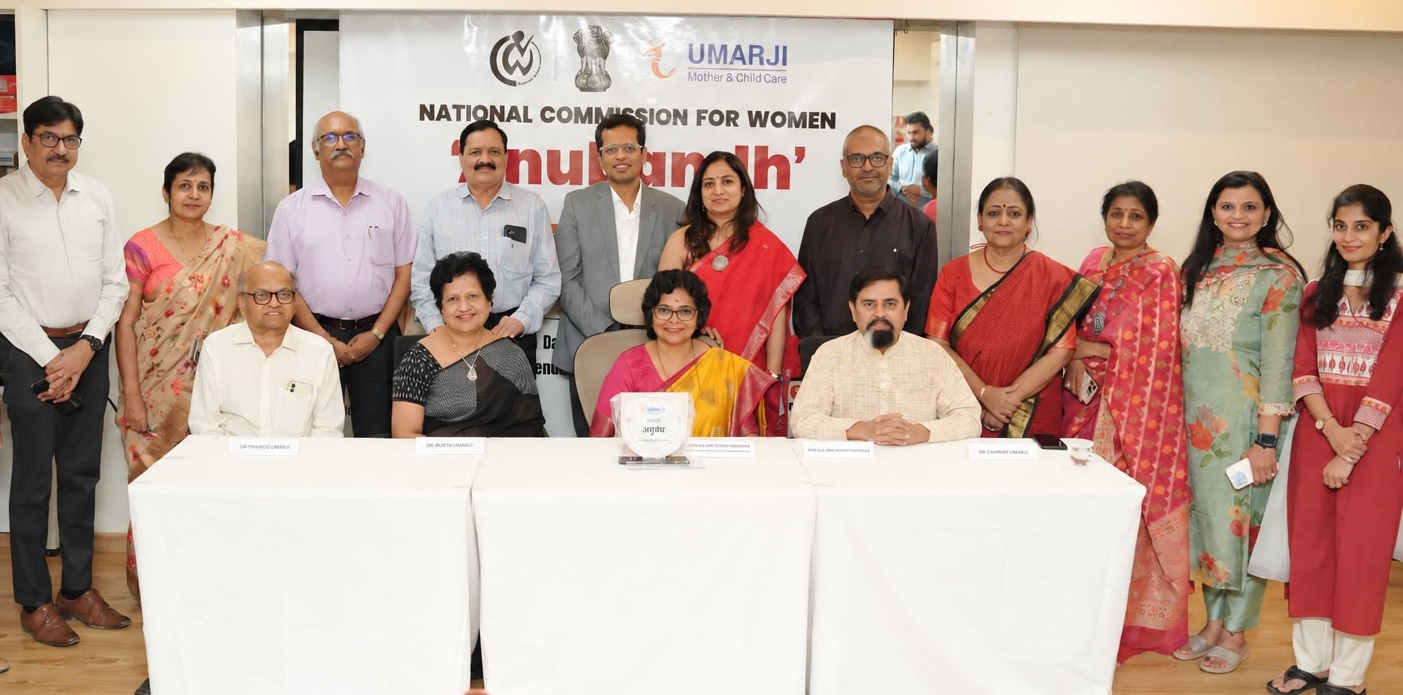
She was speaking at the launch of Anubandh, a support group initiated by Umarji Mother and Child Care Hospital in Balewadi to support families who have experienced miscarriage, stillbirth or the death of a newborn. The initiative aims to help families move “from pain to empathy, and from empathy to support”.
Senior author, thinker and technology expert Achyut Godbole, Dr Pramod Umarji, Dr Mukta Umarji, Dr Chinmay Umarji, Dr Ketaki Umarji and Priyanka Umarji were among those present. Godbole also delivered a special lecture titled ‘Responsibilities Beyond Treatment: Science, Sensitivity and Social Awareness’.
Rahatkar said society often struggles to understand the grief of parents who lose a child and lacks the awareness and sensitivity needed to respond to their pain.
“Understanding the emotions of people who are grieving and respecting their feelings is an important test of social sensitivity. Hundreds of people around us need emotional support for different reasons. Along with understanding them, we need to listen to them,” she said.
Highlighting the importance of women’s health, Rahatkar said women often serve as the backbone of their families, and their physical and emotional well-being plays a crucial role in keeping families healthy.
Godbole spoke about how changing social relationships affect mental well-being. He said the joint family system and close-knit communities once offered people a sense of security, although individual freedom was more limited. Industrialisation brought greater personal freedom but weakened traditional support systems, contributing to increasing loneliness.
“People may have thousands of friends on social media, but they often lack someone close enough to share their feelings with or turn to during difficult times. The problem of feeling lonely amid crowds is becoming serious. Support groups that bring people together and encourage meaningful interaction are therefore more necessary than ever,” he said.
In his introductory remarks, Dr Chinmay Umarji underlined the need to treat women with dignity and sensitivity when they experience pregnancy-related complications or loss. He said affected women need not only medical care but also emotional companionship and psychological support.
He said Anubandh had been launched under the Pregnancy and Infant Loss Awareness (PEL) initiative to support affected families and raise awareness about their emotional needs.
According to information shared at the event,
more than six lakh babies in India die before their first birthday every year, around three lakh babies are stillborn, and approximately 10% to 15% of known pregnancies end in miscarriage.
Families experiencing such losses often struggle to cope with the emotional trauma, making sensitive communication and community support essential.
The hospital also aims to raise awareness about how society should respond to bereaved families, including which questions are appropriate and which remarks may cause further distress.
Dr Girish Kamat, Dr Vaijayanti Patwardhan and Dr Tejaswini Bhale-Borse of Arogya Bharati highlighted the need to formally establish the initiative and extend support to grieving families. Dr Kakarani, a specialist in preventive and social medicine, also shared his views.
Gynaecologist and lactation specialist Dr Mangala Wani stressed that similar support groups should be established in other areas of obstetrics and gynaecology, including breastfeeding support.
Dr Rajesh Deshpande, founder of the Baner-Balewadi Medicos Association, along with Dr Baban Salve, Dr Balaji Sadaphule and Dr Sudhir Nikhare, emphasised the importance of patient-centred, multidisciplinary teams in supporting affected families.
Dr Shubha Phadke, a geneticist at Umarji Hospital, highlighted the need for sensitive care, cautioning against making parents feel guilty and stressing the importance of providing scientifically accurate information about the causes of pregnancy loss.
Dr Pramila Pansare, Dr Padmanabhan Keskar, Dr Sambhaji Mahadik and Dr Rajesh Nare were among the other dignitaries present. Psychiatrist Mansi Deshmukh and Dr Dilip Wani of Janakalyan Blood Bank also shared their views.
Dr Mitali Parvatikar compered the programme, while Dr Gaurav Naik and Dr Tanvi Asati proposed the vote of thanks.