No Entry for Education Minister Bhuse in Pune Until Hindi Imposition Withdrawn: MNS
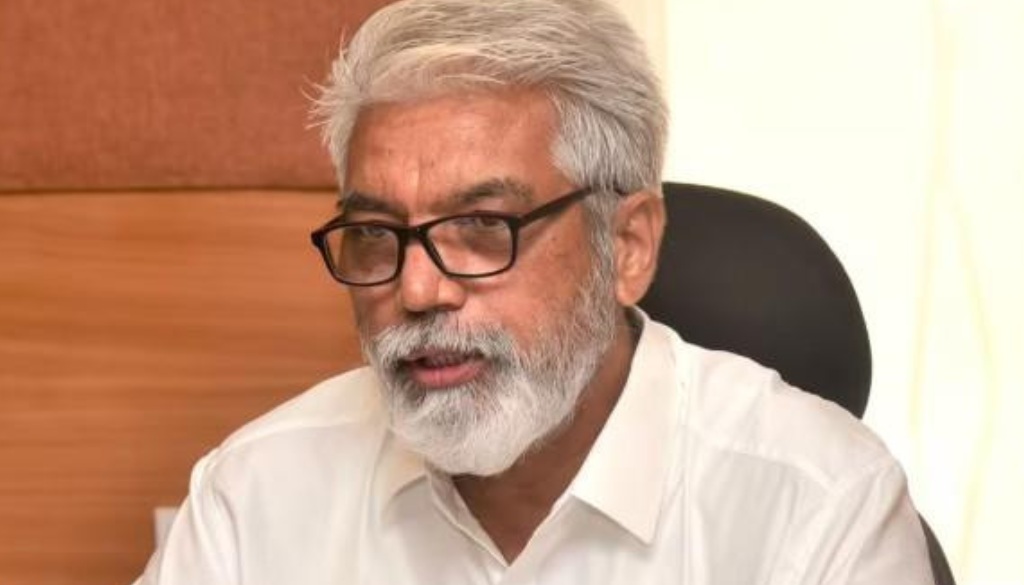
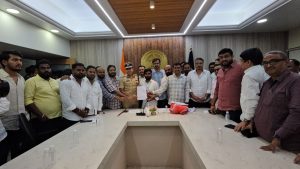
Pune, 25th June 2025: The Maharashtra Navnirman Sena (MNS) has launched a sharp protest against what it sees as a covert attempt to impose Hindi on school students under the National Education Policy (NEP) 2020. The party has demanded a formal withdrawal of any directive mandating Hindi as a compulsory third language and warned that School Education Minister Dada Bhuse will not be allowed to enter Pune until the demand is met.
The controversy stems from reports indicating that Hindi could be introduced as a mandatory third language in schools. Although no official government resolution has been released so far, the MNS remains unconvinced, alleging that a silent move is underway to dilute Marathi’s prominence in the education system.
“Imposing a third language on students without public consensus or academic consultation is unacceptable,” said MNS Pune City President Sainath Babar in a statement posted on social media. “Until there is a written assurance that Hindi remains optional, we will continue to oppose this decision. Minister Bhuse should stay away from Pune until then.”
The party claims that such policy changes could not only affect the linguistic identity of Maharashtra but also burden young learners unnecessarily. MNS chief Raj Thackeray has reportedly instructed party workers across the state to maintain pressure on the government until a clear directive is issued.
The Ministry of Education, in line with NEP 2020, has encouraged multilingual learning and the inclusion of regional and Indian languages. However, the MNS alleges that Hindi is being given undue preference at the cost of Marathi.
Chief Minister Devendra Fadnavis, in an earlier remark, had called Hindi the national language and defended its promotion, sparking further backlash from regional political outfits that argue India’s linguistic diversity should be respected.
Political analysts suggest the issue could snowball into a broader state-level confrontation, as language-related matters often touch upon deep-rooted cultural sentiments in Maharashtra.