Now You’ll See the Caller’s Name for Every Unknown Number — No App Needed, Says TRAI and DoT
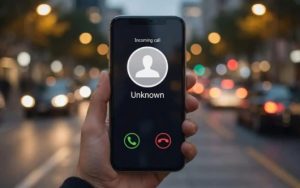
New Delhi, 29th October 2025: The next time your phone rings from an unknown number, you’ll see not just the number but also the caller’s name—without using any third-party app. The Telecom Regulatory Authority of India (TRAI) and the Department of Telecommunications (DoT) have jointly approved the rollout of this new feature to curb fraud, impersonation, and cybercrime cases.
The name displayed will be the same as that provided by the subscriber in their KYC documents at the time of obtaining the SIM card. The service, titled “Calling Name Presentation” (CNAP), will be enabled by default for all users, though subscribers will have the option to deactivate it if they wish.
According to officials, telecom companies had already conducted pilot trials in the Mumbai and Haryana circles last year, and the feature will soon be rolled out nationwide.
What TRAI and DoT Decided
1. TRAI’s Original Recommendation (February 2024):
Initially, TRAI had suggested that CNAP should be activated only upon the request of consumers receiving calls.
2. DoT’s Revision:
The DoT later recommended that the service should be automatically enabled for all users. Those not wishing to use it can opt out.
3. TRAI’s Final Consent:
TRAI has now agreed to DoT’s proposal, paving the way for a unified rollout across all telecom networks.
A Step Toward Reducing Fraud and Cybercrime
Officials said the decision was made in response to the growing number of fraudulent calls, digital arrest scams, and financial crimes. By displaying the caller’s registered name, users will be able to verify unknown callers more easily and avoid potential fraud.
However, there are some exceptions. Subscribers using the Calling Line Identification Restriction (CLIR) service—such as certain government officials, intelligence agency personnel, and VIPs—will not have their names displayed when making calls. For regular users of CLIR, telecom operators will carry out thorough verification, and law enforcement agencies will have access if required.
Additionally, call centres, bulk connections, and telemarketing companies will not be eligible for this feature.
Understanding Spam Calls and Messages
Q: What are spam calls or messages?
Spam calls or messages are unsolicited communications that promote loans, credit cards, prize schemes, or products and services without the recipient’s consent.
Q: Who is most likely to receive spam calls?
People who respond to or engage with spam calls are more likely to receive them again. Once a user answers or interacts with a spam call, their number is often marked as “active” and added to telemarketing databases.
Q: How do these companies get your number?
In most cases, users unknowingly share their contact details. This happens when signing up for online services, social media accounts, shopping websites, or mobile apps that collect and share personal data.
Some companies also sell user databases containing mobile numbers, email addresses, and demographic details to advertisers or third parties.
Common ways your number can be exposed include:
- Providing your number while creating a social media or shopping account.
- Granting permissions to mobile apps that access your contact details.
- Filling out forms in malls or during online purchases.
- Posting your number publicly on social media or classified websites.
These data points are often traded among advertising networks, resulting in a flood of unwanted calls and messages.
How to Protect Yourself from Spam and Fraud Calls
- Do not press any number during suspicious or automated calls. Fraudsters use this tactic to confirm your phone’s activity.
- Avoid saying “yes” or “no” during unknown calls, as scammers may record your voice for misuse.
- Never share personal details such as bank account numbers, passwords, or Aadhaar information over the phone.
- Disconnect immediately if someone claims to be from your bank or a government agency and asks for sensitive data.
- If you receive such a call, verify through official contact numbers available on the institution’s website.
- Be cautious if a caller pressures you to provide details urgently.
Officials said the new CNAP system, once fully implemented, will significantly improve transparency and trust in mobile communication by helping users identify legitimate calls.