Pune and Bappa: A City Woven in Devotion
By Shoaib Tadvi
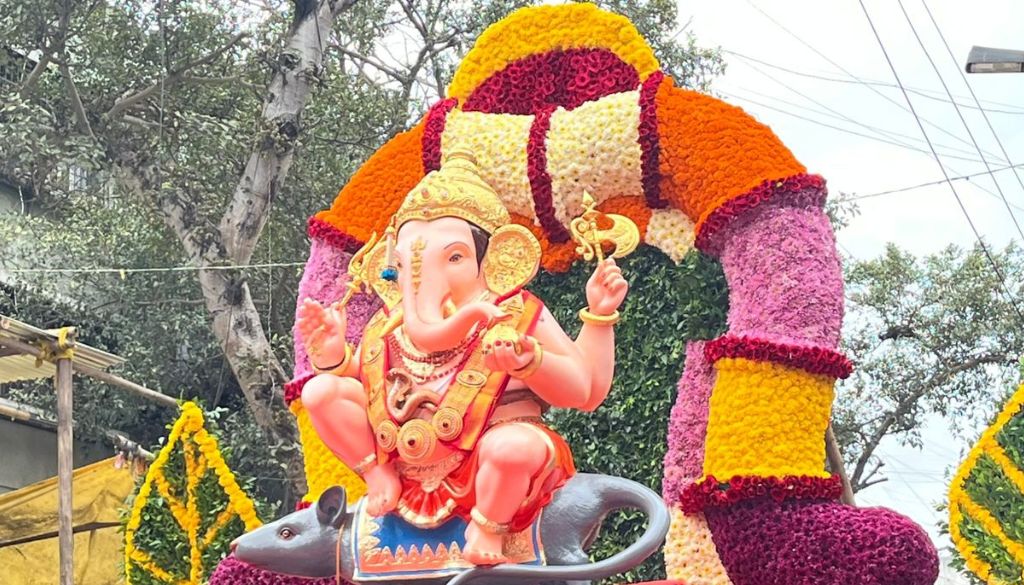
Pune, 27th August 2025: Every year, when the rhythmic beats of the dhol-tasha echo through Pune’s lanes, the city knows Bappa has arrived. Streets light up with colors, homes welcome friends and strangers alike, and markets brim with energy. Pune and Bappa share a bond that goes beyond devotion — it is an emotion, a tradition, and a way of life.
The Pulse of the City
Pune, often called the cultural capital of Maharashtra, finds its identity deeply tied to Bappa. Long before the city grew into a hub of education and technology, it was known for its vibrant celebrations. Even today, amidst modern skyscrapers and IT parks, the arrival of Bappa transforms Pune into a stage where heritage and progress walk hand in hand.
For Punekars, the celebration is not just about rituals — it is about togetherness. Every corner resonates with the thump of dhols, the fragrance of flowers, and the sparkle of lights. The city takes on a new rhythm, one that beats in unison with Bappa’s spirit.
Dagdusheth: The Heart of Pune’s Ganeshotsav
No conversation about Pune and Bappa can be complete without mentioning the iconic Shreemant Dagdusheth Halwai Ganpati. Nestled in the heart of the city, this idol has been the center of devotion for over a century. What makes Dagdusheth special is not just the grandeur of the idol but the sense of belonging it creates.
Every day, thousands visit the mandal, not only from Pune but from across the country and the world. The gold-adorned idol, glowing under bright lights, draws crowds who stand in queues for hours just to catch a glimpse. For many, visiting Dagdusheth during Ganeshotsav is not a ritual but a homecoming.
Ganpati Mandals: Keeping Traditions Alive
Beyond Dagdusheth, Pune thrives with thousands of Ganpati mandals, each with its own story. From Kasba Ganpati, known as the city’s gram daivat (guardian deity), to Tulshibaug and Shaniwarwada mandals, every pandal adds a layer of meaning to the celebration.
The creativity of these mandals is another highlight. Some bring historical events to life, while others focus on social themes like environmental awareness or women’s empowerment. For Punekars, visiting these mandals is like walking through a living museum where art, culture, and social consciousness blend seamlessly.
Bappa in Every Home
While the grandeur of public mandals attracts millions, the intimacy of household Ganpatis is equally touching. In countless Pune homes, families welcome Bappa with heartfelt simplicity. Decorations are often handmade, children participate in crafting tiny pandals, and every meal becomes a prasad offering.
Hospitality is at the heart of these celebrations. Neighbors, friends, and even passersby are often invited to share in the joy, taste the sweets, and join in the aarti. In these homes, one witnesses the true essence of Pune’s relationship with Bappa — personal, warm, and inclusive.
A City That Breathes Celebration
The festival transforms Pune’s landscape completely. Markets like Tulshibaug, Laxmi Road, and Juna Bazaar come alive with shoppers hunting for decorations, flowers, and sweets. Artisans work day and night to shape idols, each reflecting a unique personality of Bappa — from childlike innocence to majestic grandeur.
Traffic slows, but no one complains; music fills the air, and no one minds. Pune becomes a city that breathes celebration. The sight of processions with synchronized dhol-tasha pathaks, volunteers managing crowds, and children dancing in delight creates an atmosphere that words can hardly capture.
The Emotional Farewell
If welcoming Bappa is filled with joy, bidding him farewell is an ocean of emotions. On immersion day, Pune’s riversides, especially along the Mutha, witness lakhs of devotees chanting, singing, and dancing as they prepare to send Bappa back.
The immersion is symbolic — it reminds Punekars of the cycle of life, of meeting and parting, and of carrying hope into the future. As the idol slowly disappears into the water, the air fills with a promise: “Ganpati Bappa Morya, pudhchya varshi lavkar ya” — a plea for his return the following year.
A Bond Beyond Generations
What makes Pune’s Ganeshotsav unique is its continuity. For generations, families have celebrated with the same enthusiasm. Grandparents who once walked to pandals holding their parents’ hands now take their grandchildren along the same routes. The city grows, technology advances, but the bond with Bappa remains unchanged.
For students and professionals who move to Pune from across India and beyond, Ganeshotsav often becomes their first introduction to the city’s heart. Many who once came as outsiders find themselves swept into the rhythm of dhols, welcomed into homes for prasad, and eventually calling Pune their own.
The Soul of Pune
In the end, Pune and Bappa are inseparable. The festival is not just about faith but about identity. It is about a city that pauses its busy life to celebrate together, about strangers who become friends during aarti, and about the unspoken understanding that Bappa belongs to everyone.
For Punekars, Bappa is not confined to temples or pandals. He is in the laughter of children, in the music of dhols, in the taste of modaks, and in the collective spirit that binds the city. Pune without Bappa would be incomplete — just as Bappa without Pune would lose a part of his grandeur.