Pune: DIAT Scientists Develop Algae Technology That Removes 90% of Oil from Contaminated Water
Khadakwasla, 4th July 2026: Researchers at the Defence Institute of Advanced Technology (DIAT), Pune, have developed an innovative algae-based technology to remove oil pollutants from contaminated water bodies. The research, led by Prof. Balasubramanian K. of the Department of Metallurgical and Materials Engineering, explores the use of naturally occurring microalgae as an environmentally friendly alternative to conventional oil spill cleanup methods.
With increasing incidents of oil spills caused by industrial accidents, transportation mishaps, and recent global conflicts affecting energy infrastructure, protecting rivers, lakes, and marine ecosystems has become a major environmental challenge. This has prompted scientists worldwide to develop sustainable and eco-friendly technologies for cleaning oil-contaminated water.
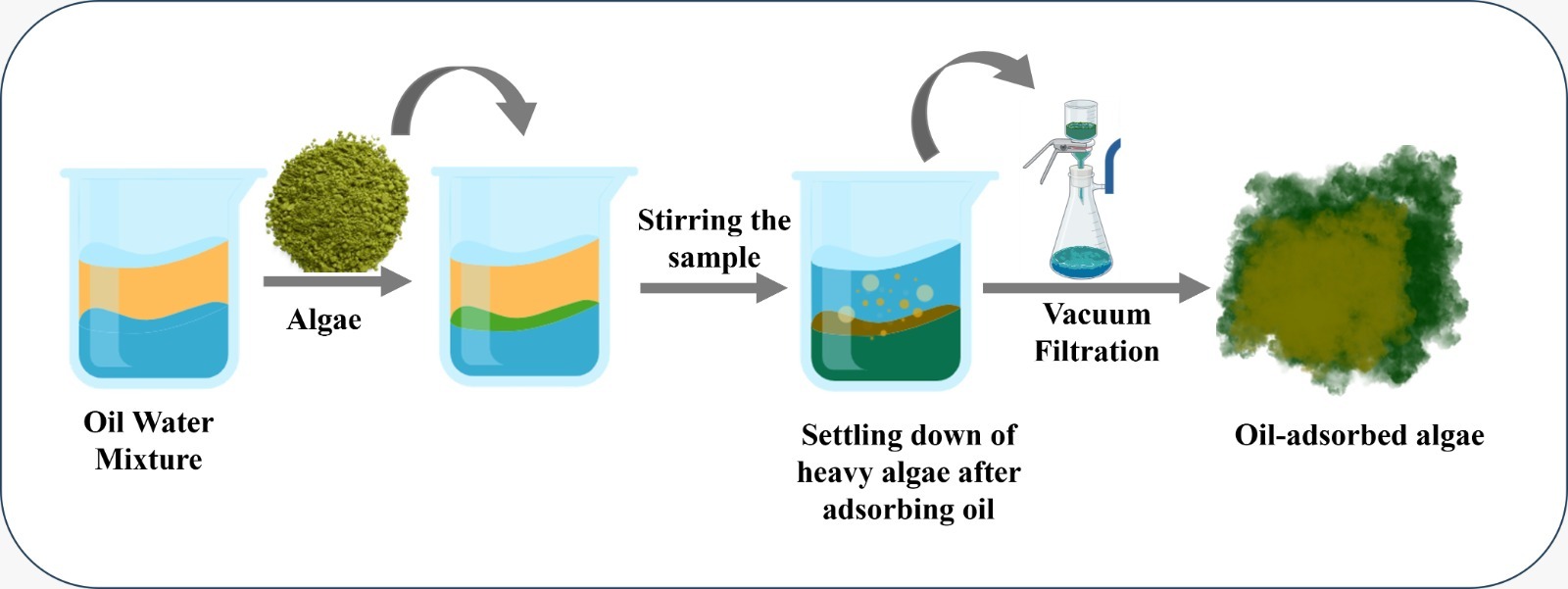
Microalgae possess the natural ability to capture, absorb, and gradually break down petroleum-based pollutants while simultaneously supporting a healthier aquatic environment. In laboratory studies, the DIAT research team demonstrated that Spirulina (blue-green algae) removed nearly 90% of heavy hydraulic oil within 24 hours, highlighting its remarkable oil adsorption capability.
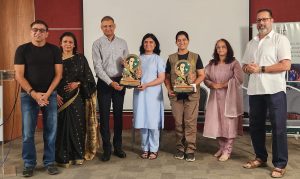
The findings have been published in a leading Elsevier journal, and the research is now being extended to diesel and petrol contamination. The innovation is protected through a patent application and builds upon the HP Innovation Green Award recently received by Prof. Balasubramanian K.
Unlike conventional oil spill cleanup methods, which often rely on chemicals or energy-intensive processes, the DIAT technology offers a sustainable and environmentally compatible solution. Building on these findings, the researchers are developing biodegradable biohybrid materials using advanced 3D-printing technology to create floating remediation platforms, porous filters, and water purification systems for rivers, lakes, and coastal waters.
The nature-inspired technology has the potential to significantly strengthen environmental protection, sustainable water resource management, and future oil spill response efforts while contributing to cleaner aquatic ecosystems. The research also reflects DIAT’s continued commitment to developing innovative technologies to address national and global environmental challenges.