Pune Generates Over 3,000 Tonnes of E-Waste Annually, Dedicated Disposal System Still Missing
Pune, 31st August 2026: Pune generates more than 3,000 tonnes of electronic waste every year, yet the city does not have a dedicated and regular mechanism for its collection and scientific disposal, raising growing environmental concerns.
At present, the Pune Municipal Corporation (PMC) largely relies on periodic e-waste collection drives conducted through its regional offices. The civic administration is now expected to explore proposals to establish a dedicated system to manage the increasing volume of discarded electronic items across the city.
E-waste generation tends to increase during festivals and special occasions, when residents purchase new electronic appliances and gadgets and dispose of older devices. However, in the absence of a regular collection network, a significant quantity of such waste could end up being mixed with routine municipal garbage.
Periodic Drives Currently Handle E-Waste Collection
The PMC currently conducts V-Collect drives at specified intervals through its regional offices, allowing citizens to hand over discarded electronic devices and appliances.
The collected material is subsequently transferred to authorised recyclers holding valid licences from the Maharashtra Pollution Control Board (MPCB). However, these periodic campaigns remain the primary mechanism for e-waste collection, as the civic body does not yet operate a permanent citywide collection system.
Hazardous Waste Requires Scientific Disposal
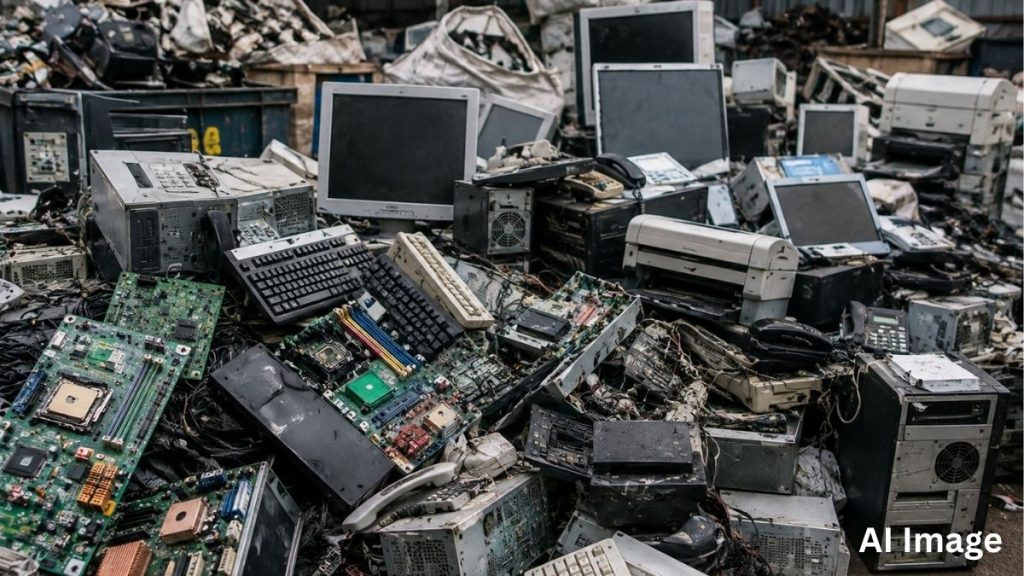
E-waste includes a wide range of discarded electronic products, including mobile phones, laptops, computers, televisions, printers, batteries, chargers, cables, refrigerators, washing machines, air conditioners, and LED or CFL lighting equipment.
Many electronic products contain hazardous substances such as lead, mercury, cadmium and chromium. When e-waste is mixed with regular garbage and improperly disposed of at landfill sites, these substances can potentially contaminate soil and groundwater.
Burning e-waste can also release harmful pollutants and toxic substances, affecting air quality and posing risks to human health, animals and the environment.
The increasing dependence on electronic devices has contributed to a steady rise in discarded gadgets and appliances, making systematic collection and scientific recycling increasingly important.
With Pune generating thousands of tonnes of e-waste annually, the lack of a dedicated collection and disposal mechanism has emerged as a significant civic and environmental challenge. The proposed move to develop an independent e-waste management system could help ensure safer and more sustainable handling of electronic waste in the city.