Pune: Income Tax Department Launches PRARAMBH 2026 to Explain New Income-tax Act 2025
Reported by Mubarak Ansari
Pune, 15th May 2026: The Office of the Principal Chief Commissioner of Income Tax, Pune, organised a Mega Outreach Programme today under PRARAMBH 2026 — Policy Reform and Responsible Action for Mission Viksit Bharat — to create awareness regarding the Income-tax Act, 2025 and the Income-tax Rules, 2026, which came into effect from 1st April 2026.
The programme was held at the Auditorium, Cosmos Tower, Shivajinagar, Pune, and witnessed participation from taxpayers, chartered accountants, tax professionals, representatives of trade and industry bodies, academicians, startups, businesses, and senior officers of the Income Tax Department.
The new Income-tax Act, 2025 replaces the Income-tax Act, 1961 and represents a major structural simplification exercise aligned with the Government of India’s vision of Viksit Bharat by 2047. The reform seeks to simplify tax laws, reduce compliance burden and cost, improve ease of doing business, enhance transparency, strengthen digital integration, and promote a more trust-based and citizen-centric tax administration.
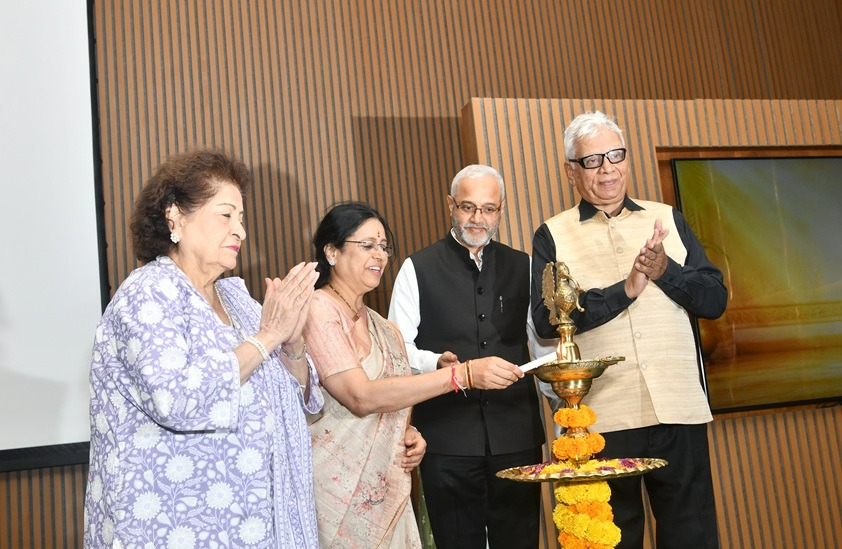
Member of Parliament Dr. Medha Kulkarni attended the programme as Chief Guest. Lila Poonawalla, noted industrialist and philanthropist, and Pradeep Bhargava, eminent industry leader and former President of MCCIA, graced the occasion as Guests of Honour.
Speaking on the occasion, Vivek Wadekar, Principal Chief Commissioner of Income Tax, Pune, said that the new Income-tax Act, 2025 has been designed to make tax laws simpler, clearer and easier to understand for taxpayers. He stated that over decades, numerous amendments had made the earlier law lengthy and complex, resulting in increased compliance burden and interpretational issues.
He added that the new framework seeks to reduce litigation, improve taxpayer convenience and faith, lower compliance costs and time, and support ease of doing business through a modern, digitally enabled and trust-based administration.
Dr. Medha Kulkarni said that simpler and transparent taxation systems are essential for a modern democracy and a developed India. She congratulated the Department for the ambitious programme that brings simplicity, clarity and spirit of ‘Nagarik Devo Bhava’. She stated that easier laws reduce compliance burden particularly for honest taxpayers, middle class families, startups, MSMEs, women entrepreneurs and young professionals. She added that the reforms reflect the Government of India’s larger vision of Digital India, Ease of Doing Business and Viksit Bharat by 2047.
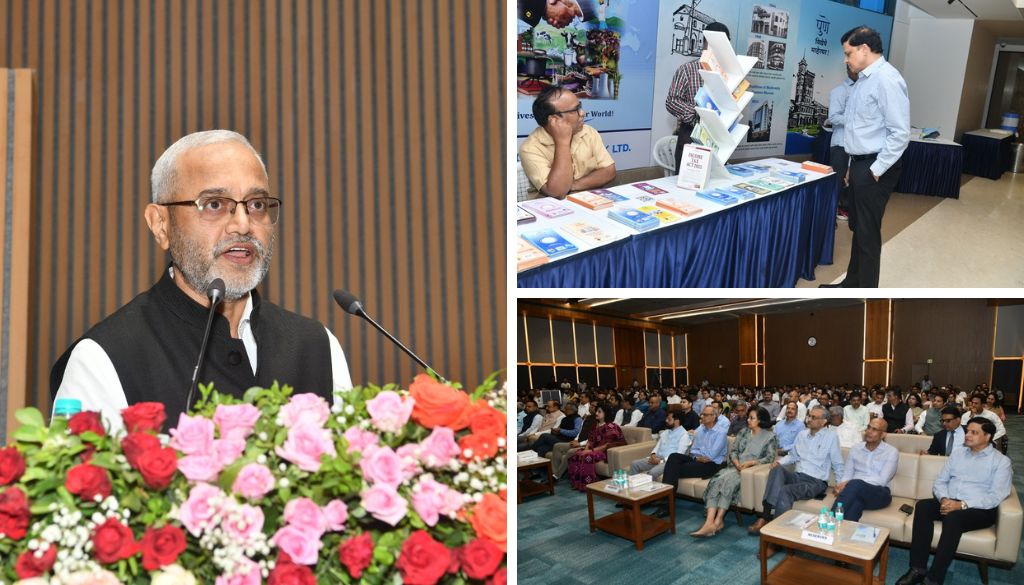
Lila Poonawalla appreciated the Department’s efforts towards stakeholder outreach and welcomed the unique trust-based and taxpayer-friendly reforms while Shri Pradeep Bhargava highlighted the importance of simplified and technology-enabled tax administration for improving business confidence and economic growth. They appreciated Department’s efforts for rationalisation, simplification and collaboration will act as enablers in the process of creating a stakeholder friendly ecosystem.
During the programme, officials of the Department made detailed presentations on key features of the new Act and highlighted taxpayer facilitation initiatives introduced under PRARAMBH 2026, including Kar Saathi, an AI-enabled chatbot available round the clock on the income tax website, Kar Setu, a comprehensive guidance and reference platform, and “Samvaad” interactive learning sessions.
The Department informed that the Pune Mega Event would be followed by extensive outreach programmes across Maharashtra. The Office of the Principal Chief Commissioner of Income Tax, Pune Region aims to cover all 23 districts under its jurisdiction through awareness programmes and stakeholder engagement initiatives relating to the Income-tax Act, 2025.
In the week immediately following the Mega Event, outreach programmes are proposed to be conducted in 11 districts including Ahilyanagar, Kolhapur, Sangli, Chhatrapati Sambhajinagar, Jalgaon, Thane, Beed, Nanded, Solapur, Kolhapur, Nashik and Pune.
The Department stated that the broader objective of the reform is to create a simpler law, easier compliance, reduced litigation, greater transparency and a more taxpayer-friendly administration, thereby contributing towards the national vision of Viksit Bharat by 2047.