
Pune: Junnar Sees India’s First Camera-Collar Project To Monitor Leopards Amid Rising Conflict
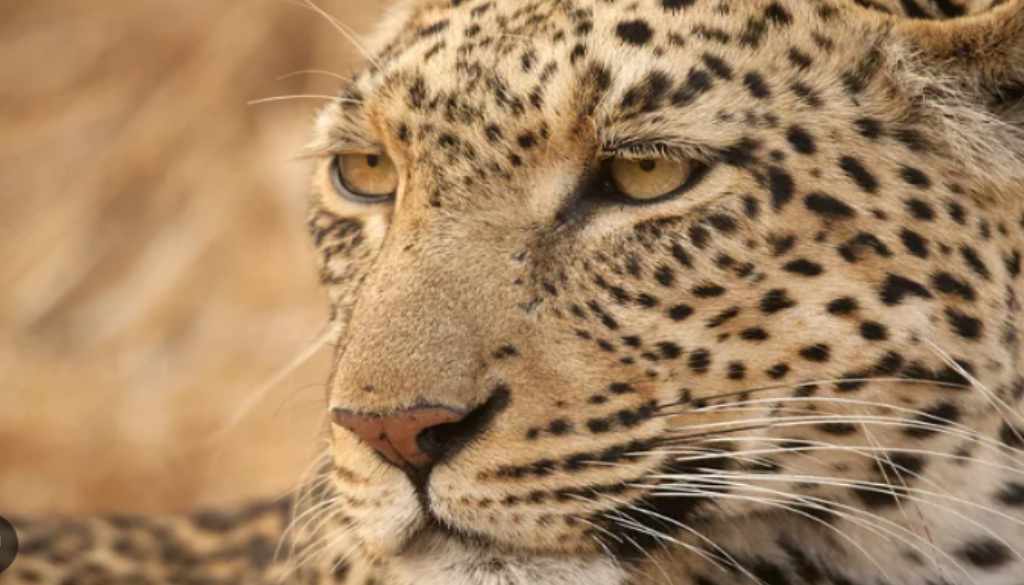
Junnar, 16th April 2025: In a pioneering effort to tackle the growing human-leopard conflict in Maharashtra’s Junnar region, the Wildlife Institute of India (WII), in collaboration with the Maharashtra Forest Department, has launched the first-ever camera collar project focused on wildlife monitoring. On Friday (11th April) lead scientist Dr. Bilal Habib shared the project’s first footage captured through the camera collar on social media, marking a significant milestone.
The Junnar region has been grappling with increasing instances of leopard sightings and attacks in human-dominated areas. Leopards in this region have adapted to live close to human settlements, preying on domestic dogs, livestock, and wild animals. Over recent years, the leopard population in Junnar has grown considerably, expanding into semi-urban zones. Between March and December 2024, the conflict peaked, with at least 11 human deaths reported due to leopard attacks, according to forest officials.
In addition to fatalities, the number of injuries and agricultural losses caused by leopards remains high. Although no deaths have been reported so far in 2025, leopard attacks on people, pets, and crops continue to pose a serious threat. To better understand and manage the situation, WII scientists have been conducting long-term studies on leopard behavior in Junnar and surrounding areas. Their work includes various conservation initiatives such as radio collaring, camera traps, and now the newly introduced camera collar project.
As part of the pilot project initiated in January this year, scientists attached a specially designed camera collar to a leopard in the Junnar area. This device, worn around the animal’s neck, is equipped with a camera, GPS tracker, and several environmental sensors. The camera records visual data, while the GPS tracks the leopard’s movements and location. Additional sensors monitor temperature, humidity, and other environmental factors.
This innovative technology enables researchers to gather in-depth insights into leopard behavior, habitat usage, and interactions with both the environment and other wildlife. The ultimate goal is to assist forest officials in formulating effective conservation strategies and reducing conflicts between humans and leopards.