Pune: PCMC Brings Parking Spaces and Society Amenities Under Property Tax Net; Residents Object
Pune, 8th June 2026 : Property owners in Pimpri Chinchwad may soon have to pay property tax on parking spaces and common amenities within housing societies, following a fresh assessment drive by the Pimpri Chinchwad Municipal Corporation (PCMC).
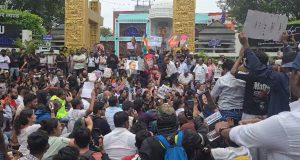
The move has sparked opposition from residents and housing societies, who argue that parking areas and common amenities are basic facilities and should not attract separate taxation.
According to civic officials, a recent survey carried out by the municipal corporation identified several properties and built-up spaces that were either not recorded in the tax database or had undergone changes in usage. Based on the findings, the civic body has begun including parking spaces and amenity areas in property tax assessments for the 2026-27 financial year.
The revised assessment covers common parking areas, amenity spaces, gardens, clubhouses, gymnasiums, community halls, swimming pools, sewage treatment plants (STPs) and other common facilities created by developers within residential complexes.
Residents have questioned the decision, claiming that civic services provided by the municipal corporation remain inadequate despite the additional tax burden. They pointed to issues such as irregular water supply, poor waste collection and inadequate civic infrastructure.
“Parking spaces and amenity areas are mandatory components of housing projects under building regulations. If developers are required to set aside these spaces while obtaining permissions, levying property tax on them separately is unfair,” several residents said.
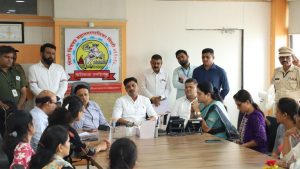
PCMC officials, however, maintained that such spaces are taxable under existing provisions. They said all housing societies and apartment complexes are being surveyed and that any previously unassessed parking or amenity areas are being incorporated into the tax records.
The civic administration estimates that the move will increase revenue collection and bring unassessed properties into the tax net. However, residents fear the decision will significantly raise annual property tax bills, particularly in large residential townships.
Housing societies said the additional levy could increase annual tax payments by several lakh rupees. In larger townships with extensive amenity spaces and parking infrastructure, the added tax burden is expected to be substantially higher.
The issue is likely to trigger further debate as residents’ associations and housing societies prepare to challenge the move before the municipal administration.