Pune Pollution Crisis: AQI And Legal Notice Data Missing From MPCB Website Since August
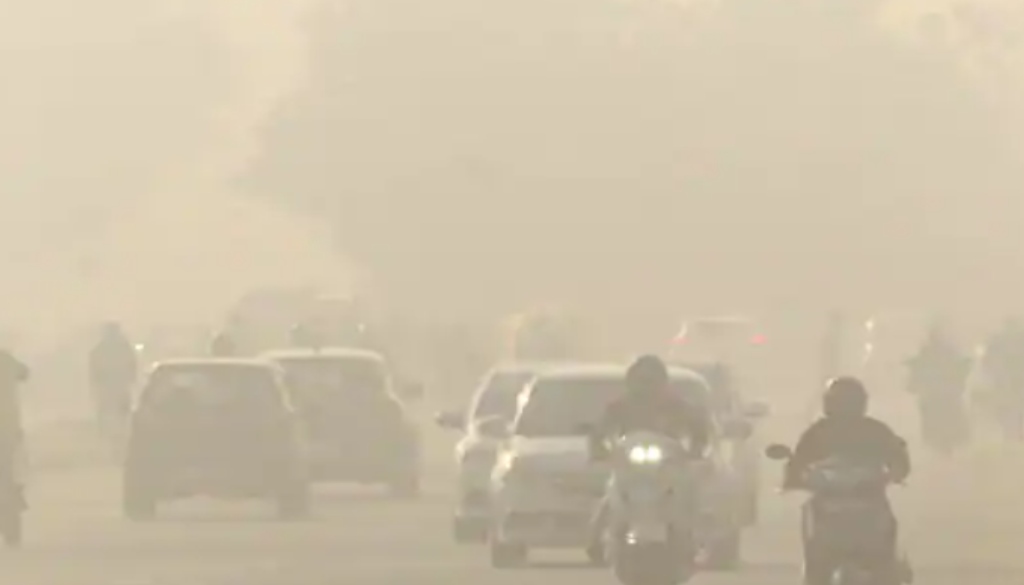
Pune, 2nd March 2026: Even as thousands of tonnes of cement dust continue to pollute the air in Pune and Pimpri-Chinchwad each year, and untreated sewage is openly discharged into the Mula-Mutha river, the state pollution regulator has cited “technical issues” for the prolonged absence of key public data, drawing criticism over transparency and accountability.
The ‘Legal Notice’ section on the official website of the Maharashtra Pollution Control Board has reportedly been non-functional since August 2025. Additionally, the daily Air Quality Index (AQI), which the board is mandated to publish, has not been available to the public. Officials have attributed the lapse to technical difficulties.
Under existing laws, the MPCB is responsible for monitoring and controlling water, air, and noise pollution, as well as ensuring proper waste management. However, environmental activists allege that pollution norms in Pune are being routinely violated. Despite repeated media reports highlighting deteriorating air quality, no visible or sustained enforcement action has been reported so far.
Every day, hundreds of millions of litres of sewage generated in Pune and Pimpri-Chinchwad are discharged into the Mula-Mutha River without adequate treatment. In addition, several small and large industries located along riverbanks and in MIDC areas are accused of releasing chemical effluents into drains and the river, often during night hours. Residents frequently report thick white foam floating on the river’s surface.
Rising pollution levels have contributed to the spread of water hyacinth, foul odour, and mosquito infestation along the riverbanks. Dissolved oxygen levels in several stretches have reportedly dropped to near zero, severely impacting aquatic life, including fish populations.
The Ready-Mix Concrete (RMC) and construction sector is also considered a major contributor to dust pollution. Pune has around 197 authorised RMC plants and more than 175 allegedly illegal units. As per environmental norms, construction projects are required to regularly sprinkle water to control dust, develop green belts within five metres of sites, install protective covers up to 20 metres in height, and provide facilities for washing truck tyres before vehicles exit project areas. However, implementation on the ground is said to remain weak.
Officials claim that 70 to 75 such projects fall under their jurisdiction and that closure notices have been issued to 47 units. However, there is no clear information on how many of these units have actually been shut down or remain non-operational.
Environmental experts say the prolonged absence of updated public data raises serious concerns about transparency and regulatory oversight. The unavailability of pollution data and legal notices on the MPCB website has also triggered questions about citizens’ right to information in a democratic system.
Meanwhile, rising levels of PM10 and PM2.5 particles in the air continue to pose serious health risks, including asthma and other respiratory illnesses, prompting renewed calls for urgent corrective and enforcement measures.