Rise In Wrong Traffic Challan Sparks Concern; Here’s How To Respond Legally
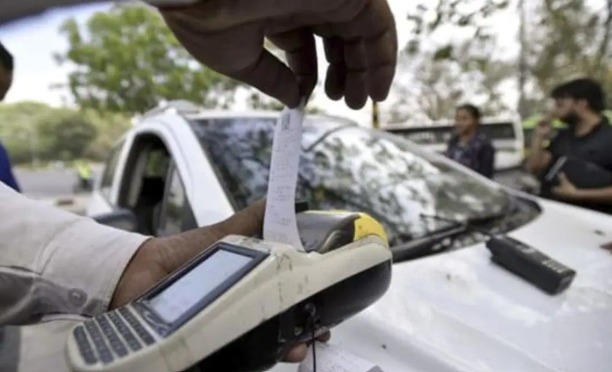
New Delhi, 1st July 2025: In recent months, several vehicle owners across Indian cities have reported receiving traffic Challan for violations they claim they never committed. With an increasing reliance on automated enforcement systems such as surveillance cameras and digital challan systems, cases of mistaken penalties are drawing attention—and frustration.
Instances of incorrect Challan have largely stemmed from technical errors, such as misreading of number plates, glitches in surveillance footage, or administrative oversight during data entry. As these digital systems become more widespread, so too do concerns about their accuracy.
While receiving a false fine can be alarming, authorities have provided legal options for citizens to challenge them. Officials confirm that there are both online and offline avenues to contest such Challan, and many complaints—if supported with credible proof—have resulted in cancellation of the penalties.
One of the most commonly used platforms for redressal is the central e-challan system, where citizens can report discrepancies and upload relevant documentation. The system allows traffic officials to review the case and, if found valid, nullify the fine. State traffic websites also provide access to local contact points, email addresses, and grievance numbers.
In more serious or unresolved disputes, individuals can present their case before the traffic court. While the legal route may take longer, it allows for a detailed review and often leads to a more transparent outcome. Legal experts suggest that documentary proof such as timestamped photographs, location data, and vehicle registration documents can strengthen a citizen’s case.
Additionally, state legal services authorities occasionally hold Lok Adalats—alternative dispute resolution forums—where traffic fine cases can be resolved informally. These public courts offer a quicker and often less intimidating process for those seeking relief.
With the digitalisation of traffic enforcement expected to expand further, legal experts are urging authorities to build more robust verification systems to minimise such errors. In the meantime, citizens are encouraged to stay informed about their rights and challenge fines that appear to have been wrongly imposed.