Supreme Court Stays UGC’s New Equity Regulations, Seeks Redraft; 2012 Rules to Continue
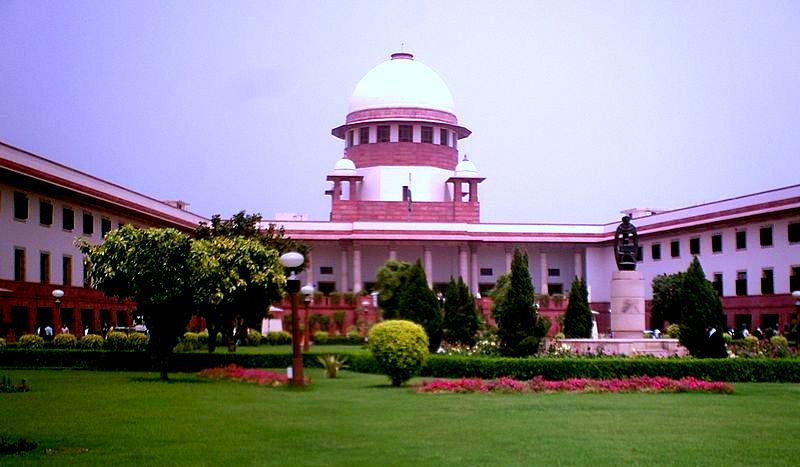
New Delhi, 29th January 2026: The Supreme Court on Thursday put an interim stay on the University Grants Commission’s (UGC) newly notified regulations on equity in higher education, citing lack of clarity and the risk of misuse. A Bench led by Chief Justice of India (CJI) Suryakant and Justice Joymalya Bagchi said the provisions were “not clearly defined” and could lead to unintended consequences.
The court issued notices to the Centre and the UGC, directing them to file their responses and prepare a fresh draft of the regulations. The matter will now be heard next on March 19. Until further orders, the 2012 UGC regulations will continue to remain in force across the country.
The Bench was hearing petitions filed by Mritunjay Tiwari, advocate Vineet Jindal, and Rahul Diwan, who alleged that the new rules discriminate against students from the general category. The UGC had notified the new framework on January 13, 2026, titled Promotion of Equity in Higher Education Institutions Regulations, 2026, which has since triggered protests in several states.
Court Raises Key Concerns
During the hearing, the Supreme Court made several significant observations:
* The Bench questioned why “caste-based discrimination” needed to be defined separately when the term “discrimination” already covers all forms of bias.
* It asked why ragging — a major problem on campuses — was not included in the regulations.
* CJI Suryakant noted that sections of the Scheduled Castes have also become economically prosperous, and asked whether India was moving away from the idea of a casteless society.
* The CJI strongly objected to proposals such as separate hostels for different castes, saying, “For God’s sake, don’t do this. We all lived together. Inter-caste marriages happen today. India’s unity must reflect in educational institutions as well.”
What the New UGC Rules Propose
The 2026 regulations aim to prevent caste-based discrimination against SC, ST and OBC students in colleges and universities. They mandate the setting up of special committees, helplines, and monitoring teams in higher education institutions to address complaints from students belonging to these communities. The government has said the intent is to bring fairness and accountability into the system.
However, students from the general category argue that the definition of caste-based discrimination is “non-inclusive” and creates an impression that only one section can be victims while others are presumed offenders. Petitioners told the court that this could lead to chaos on campuses and unfair targeting.
Courtroom Exchange
Challenging Rule 3(C), advocate Vishnu Shankar Jain argued that the definition of caste-based discrimination is too narrow and redundant when a broader definition of discrimination already exists under Rule 3(e).
The CJI observed that the court would only examine the constitutionality and legality of the rules. He also posed a hypothetical: if a student from South India or the Northeast faces humiliating comments in North India, would the new provisions address such situations?
Another lawyer highlighted that ragging is a serious issue and feared that under the current framework, complaints could be misdirected as caste-based cases, while ragging itself is not even defined in the regulations. The CJI questioned why ragging had been excluded.
At one point, the court suggested that a small expert committee with members who understand social values and ground realities could help prepare a better draft.
The Supreme Court’s intervention has temporarily halted the rollout of the UGC’s 2026 equity regulations, setting the stage for a broader debate on how to balance inclusion, fairness, and unity in India’s higher education system.