Pimpri-Chinchwad’s Waste-To-Energy Plant Generates 14 MW Power Daily; Reduces Garbage Load And Electricity Costs
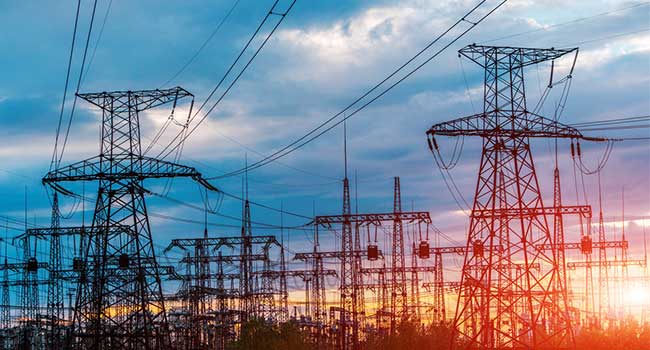
Pimpri, 17th April 2025: Every day, Pimpri-Chinchwad generates around 1,200 tonnes of waste—800 tonnes of dry and 400 tonnes of wet garbage. This waste, collected via municipal garbage trucks, is transported to the solid waste management facility in Moshi, which spans over 81 acres. The site hosts various projects including composting, vermicomposting, and fuel production from plastic.
To further tackle the city’s mounting garbage problem, an advanced “Waste-to-Energy” project has been set up on a Build-Operate-Transfer (BOT) model. Operated by a private firm for a period of 21 years, the plant processes up to 1,000 tonnes of waste daily to generate 14 megawatts of electricity.
This initiative has significantly contributed to easing the city’s waste burden. In the past 18 months alone, around 2,57,819 tonnes of waste have been incinerated, generating 13.82 crore (138.2 million) units of electricity. Of this, 12.24 crore (122.45 million) units have been supplied to the Maharashtra State Electricity Distribution Company Limited (MSEDCL), which sells the power back to the Pimpri-Chinchwad Municipal Corporation (PCMC) at a rate of ₹5 per unit.
The electricity produced is utilized for operating water supply stations, sewage treatment plants, and municipal hospitals. According to municipal officials, this has resulted in a 30% reduction in electricity bills for the PCMC. The plant itself consumes about 2 MW of power for daily operations.
Sanjay Kulkarni, Chief Engineer of PCMC, stated, “Through the Waste-to-Energy project, the municipal corporation has taken a significant step towards cleanliness, environmental conservation, and sustainable energy generation. The scientific disposal of waste is helping reduce the garbage problem while also cutting down electricity expenses.”