PMC Plans 8 New CBSE Schools and 10 E-Learning Schools to Upgrade Education in Pune
Pune, 14th March 2026: The Pune Municipal Corporation (PMC) has proposed setting up eight new schools affiliated with the Central Board of Secondary Education (CBSE) and expanding digital learning facilities in civic-run institutions as part of its plan to strengthen the municipal education system.
The proposal has been included in the draft municipal budget for 2026–27 and aims to improve the academic quality of PMC schools while attracting more students to the civic education network. Along with new CBSE institutions, the administration is also focusing on technology-driven classrooms, better infrastructure and improved learning environments.
Municipal Commissioner Naval Kishore Ram said the move is intended to give students studying in civic schools access to a nationally recognised curriculum and modern teaching methods.
“Our aim is to upgrade the standard of education in municipal schools. Introducing CBSE-affiliated institutions will allow students to benefit from a national curriculum and better learning opportunities,” Ram said.
Apart from the CBSE schools, the civic body also plans to establish 10 technology-enabled e-learning schools across the city. These schools will be equipped with digital teaching tools designed to make classroom sessions more interactive and engaging for students.
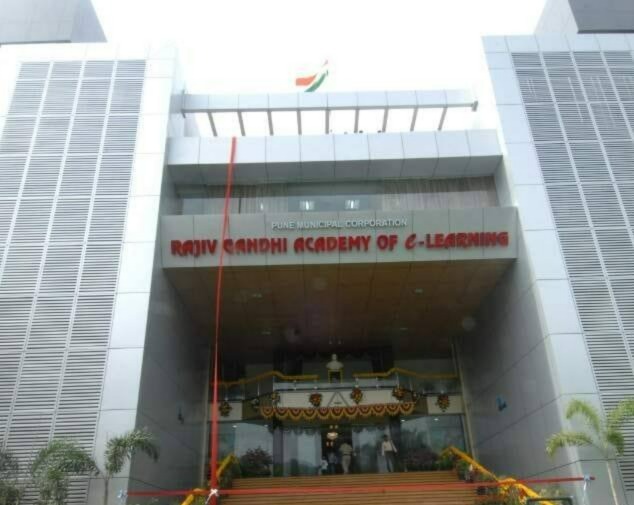
At present, the PMC operates two such e-learning schools, including the English-medium Rajiv Gandhi Academy of e-learning in Sahakarnagar.
Ram said these institutions have received encouraging feedback from parents and students. “The response to the existing digital learning schools has been very positive. Parents are increasingly looking for modern learning environments, and we want to expand these facilities so that more students can benefit,” he said.
E-learning systems rely on digital platforms to deliver educational content through computers, networks and online resources. Such systems allow students to access web-based learning material, participate in virtual classroom activities and use digital collaboration tools.
The civic administration has also proposed upgrading a large number of existing schools into model institutions. According to officials, 144 schools located across 75 educational complexes will be developed with improved infrastructure, modern teaching aids and better classroom facilities to enhance both teaching standards and student engagement.
Additional Municipal Commissioner Pavneet Kaur said the reforms are part of a broader effort to strengthen the municipal education system.
“The focus is on transforming civic schools into institutions that offer quality education with better facilities, improved infrastructure and modern learning methods so that they can compete with private schools,” Kaur said.
To allow teachers to focus more on teaching activities, the administration is also planning to reduce their administrative workload. The PMC intends to recruit around 300 data entry operators who will handle documentation and digital record-keeping.
In addition, about 300 sanitation workers are proposed to be appointed to maintain cleanliness in school premises and classrooms.
Officials said these measures are aimed at creating a better learning environment while improving the overall quality and reputation of PMC-run schools across the city.