Sahyadri Hospitals Doctors Successfully Treat High-Risk Preterm Baby, Ensuring a Second Chance at Life
Pune, 18th March 2026: In a life-saving effort, doctors at Sahyadri Hospitals MomStory successfully treated a 33-week preterm baby who was diagnosed with Necrotizing Enterocolitis (NEC), a life-threatening, severe gastrointestinal disease, severe sepsis and a fungal infection caused by Candida parapsilosis.
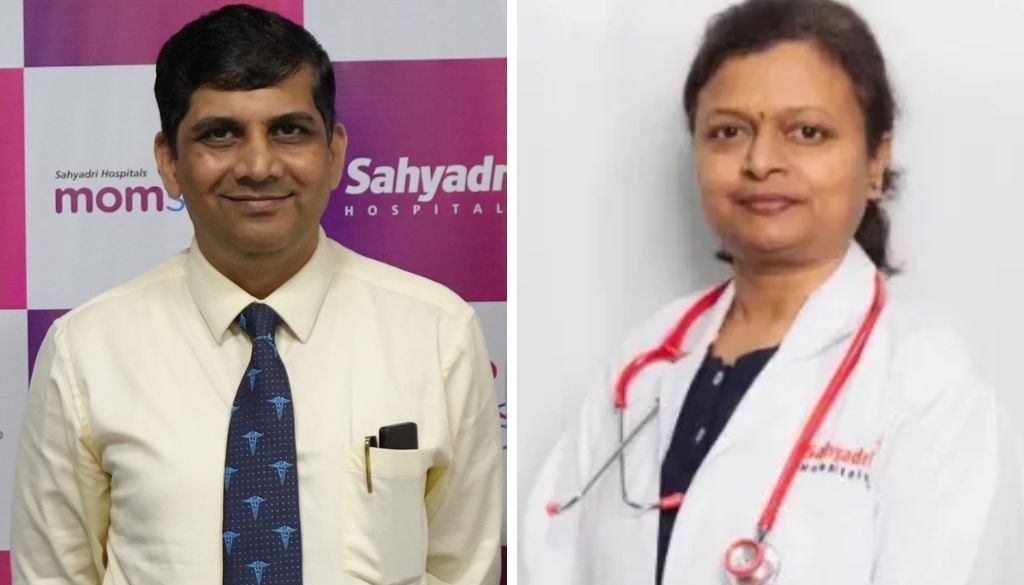
This preterm baby born at a private hospital in Pune was shifted in this critical condition to Sahyadri Superspeciality Hospital Momstory at Nagar Road. This critical case posed significant challenges, as the baby’s premature condition combined with severe infections required immediate surgical intervention, intensive care, and a complex treatment plan. The baby’s condition demanded expert management, involving careful monitoring, life-saving and accurate medications, and intricate surgeries to manage NEC and the systemic infections. The success of this highly complex case was made possible through expertise of Dr. Pradeep Suryawanshi, Director of Neonatology & Pediatrics at Sahyadri Hospitals MomStory, Nagar Road with his team’ navigated the delicate balance of intervention and care needed for the baby’s survival.
NEC, a dangerous condition that causes severe inflammation and damage to the intestines, can quickly become fatal in preterm infants with weaker immune systems. Given the critical nature of the baby’s condition, every decision was crucial.
To address the escalating situation, an emergency exploratory laparotomy was performed by senior Pediatric Surgeon Dr Pranav Jadhav on 12 February 2025 During the procedure, the damaged portion of the intestine was removed, and an ileostomy was performed.
The post-surgery period was extremely critical. The baby needed continuous ventilator support, inotropes, and strong antibiotics to combat sepsis. Managing both the infections and the premature baby’s fragile immune system required expert coordination between the team of neonatologists, pediatric surgeons, and critical care specialists.
Once the infection was under control the team had another challenge of weight gain of the baby as large part of the gut was resected and with short gut baby had problems with nutrient absorption which was taken care by specialized formula and Total Parental Nutrition.
When the baby had gained enough weight and strength, the medical team proceeded with the planned corrective surgery. This second surgery involved another exploratory laparotomy to reassess the abdominal cavity and address scar tissue from the previous surgery. The final step was an ileo-colic anastomosis, reconnecting the healthy parts of the intestines to restore bowel function. This was a crucial procedure in ensuring the baby’s long-term recovery.
Following the second surgery, the baby began showing steady improvement and continued recovery under close monitoring. Today, the child is 1-year-old, achieving normal development milestones and growing well for age, reflecting a strong and healthy recovery. The combination of the two-stage surgical approach and months of NICU care played a key role in the successful outcome.
Dr. Pradeep Suryawanshi, Director of Neonatology & Pediatrics at Sahyadri Hospitals MomStory, Nagar Road, shared his thoughts on the case, “This case was particularly challenging due to the combination of severe NEC, sepsis, and fungal infection, in premature neonate. However, with the right multidisciplinary approach, timely intervention, and continuous NICU care, we were able to stabilize the baby and perform the necessary surgeries that ultimately restored the child’s health. This case is a reminder of the crucial importance of specialized neonatal care and advanced medical facilities, which are key to saving lives and improving long-term outcomes for high-risk neonates.”
Dr. Preeti Lad, Senior Consultant – Pediatrics and Neonatology at Sahyadri Hospitals, MomStory Nagar Road, said for the case, “This case is a reminder of the crucial importance of specialized neonatal care and advanced medical facilities, which are key to saving lives and improving long-term outcomes for high-risk neonates.
This case is significant not only because it involved a preterm neonate with complex condition and infection but also because it demonstrates the importance of timely diagnosis, prompt surgical intervention, and expert care in neonatal facilities.