AC Leaking Water? Here Are 6 Common Reasons Why
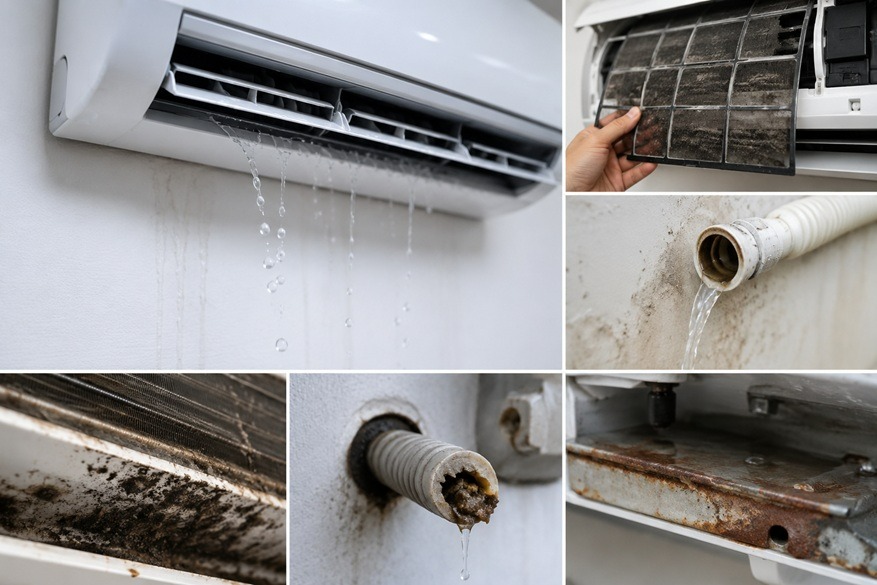
Pune, 9th May 2026: Air conditioners are no longer considered a luxury for many households, especially during intense summer heat and humid weather. However, continuous usage without regular maintenance can gradually lead to technical issues, including water leakage.
If you notice water dripping from your AC unit or collecting on the floor, it is usually a sign that the system requires cleaning, servicing, or repairs. Ignoring the issue may lead to reduced cooling efficiency, water damage, or costly repairs later.
Here are six common reasons why an AC may start leaking water:
Dirty Air Filter
A clogged air filter is one of the most common causes of AC leakage. Dust and dirt buildup restrict airflow, which can cause the evaporator coil to become too cold and freeze. When the ice melts, excess water may overflow from the drain system and leak from the unit.
Regular cleaning or replacement of air filters can help prevent this problem.
Incorrect Installation
Water leakage shortly after installation may indicate improper fitting or incorrect positioning of the AC unit. Split AC indoor units need a slight tilt toward the drain pipe to allow proper water flow. Poor installation can disrupt drainage and lead to leakage.
Mold or Algae Buildup
The moist environment inside an AC unit can encourage the growth of mold, mildew, or algae in the drain pipe or drainage tray. This buildup can block the drainage system, causing water to back up and leak from the unit.
In addition to affecting drainage, mold growth may also reduce indoor air quality and trigger allergies or respiratory irritation in sensitive individuals.
Blocked or Disconnected Drain Line
The condensate drain line carries excess moisture outside the house. If the pipe becomes blocked, cracked, loose, or disconnected, water cannot drain properly and may start leaking indoors.
Periodic servicing can help detect and clear such blockages before they become serious.
Low Refrigerant Levels or Refrigerant Leak
Low refrigerant levels can lower the pressure inside the AC system, which may cause the evaporator coil to freeze. Once the ice melts, water leakage can occur.
A refrigerant leak is a more serious issue and is often accompanied by poor cooling performance or warm air from the AC. Since refrigerants require professional handling, any suspected leak should be inspected by a qualified technician immediately.
Rusted or Damaged Drain Pan
The drain pan collects condensation from the AC before directing it to the drain line. In older AC units, the drain pan may become rusted, cracked, or damaged over time, causing water to seep out instead of draining properly.
Replacing a damaged drain pan can usually resolve the issue.
Experts recommend servicing air conditioners at least once or twice a year to maintain cooling efficiency, improve air quality, and prevent water leakage problems.