How Pune’s Nuclear Families Are Changing the Way Seniors Need Care
By Dr. Prince John
Fatimanagar, 24th May 2026: Pune has changed rapidly over the last two decades. It has become a major centre for education, business, technology and professional growth. That growth has changed the way families live. Large joint families are less common than they once were. Nuclear families, dual-income households and work-driven urban routines have become the new normal. While this has brought many benefits, it has also created a new challenge that deserves more attention: geriatric care.
Older adults today are living in a very different family environment than previous generations did.
In the earlier family structure, there were often more people at home throughout the day. Grandparents, children, relatives and caregivers were more likely to be physically present. This did not solve every problem, but it meant that changes in an elderly person’s health were noticed immediately. If a senior citizen was skipping meals, forgetting medicines, feeling dizzy, walking less or sleeping poorly, someone usually realised it.
In many homes today, that daily observation is missing.
This is especially true in a city like Pune, where many families are shaped by office work, software jobs, business travel, long commutes and demanding schedules. In several homes, both husband and wife work full-time. Elderly parents may be living with them, but they may still spend a large part of the day alone. In some cases, children live in another part of the city, another state or even another country. Emotional care may still exist, but practical day-to-day care becomes harder.
This affects geriatric health in a big way.
Most problems in older adults do not begin with a dramatic emergency. They begin quietly. A little weakness. Slight confusion. One missed medicine. A small fall. Blurred vision. Difficulty hearing. Fear of walking alone. Loss of appetite. These are the kinds of changes that need early attention, but in busy nuclear families they are easy to miss until it becomes serious.
The emotional side is just as important. Older adults may live in loving homes but still feel lonely if everyone around them is rushing through work and routine. Work-from-home has not solved this either. Many professionals are physically present at home, but mentally occupied with meetings, deadlines and screens. For an elderly parent, that can feel like being surrounded by people and still being alone.
That is why geriatric care in Pune must adapt to social change. Families should not be blamed for living in new ways. Urban life has changed, and healthcare must change with it. Senior care today has to be more structured, more preventive and easier to access. It must include regular screening, medicine review, mobility checks, eye care, memory support, caregiver counselling and practical systems that reduce the burden on families while improving the life of the elderly person.
The answer is not to go backward. The answer is to build care models that fit the way people actually live today.
Pune’s growth has brought opportunity and ambition. It must now also bring a stronger response to ageing. Geriatric care is no longer only a medical issue. It is a family issue, a city issue and a social issue. If family structures have changed, then elder care must become more thoughtful, more intentional and more supportive than ever before.
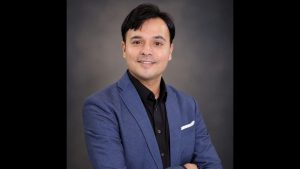
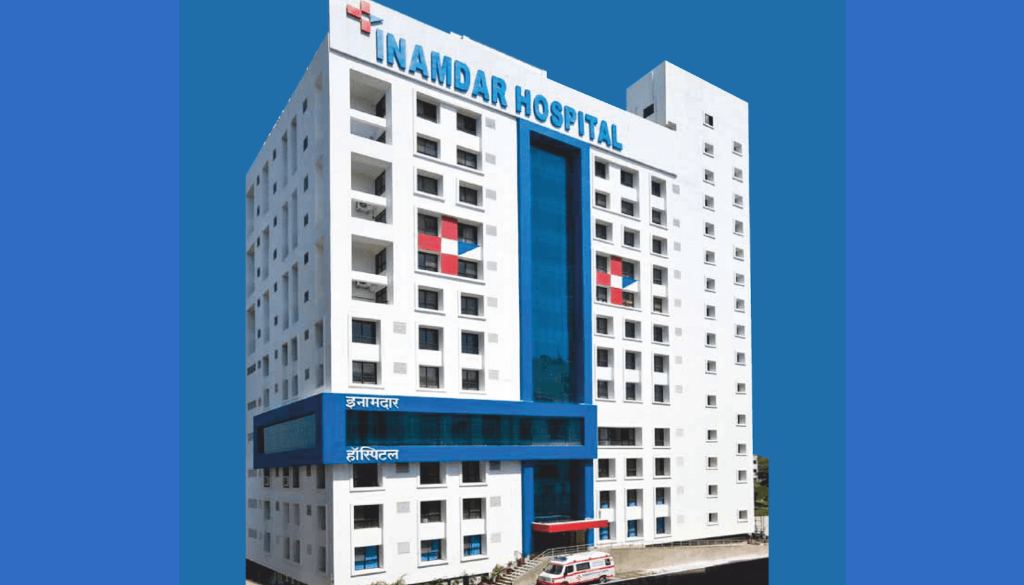
(Dr. Prince John is Palliative Care Expert at Inamdar Multispeciality Hospital)