Include Digital-Age Skills Course in Engineering Curricula: Experts at PIC Roundtable
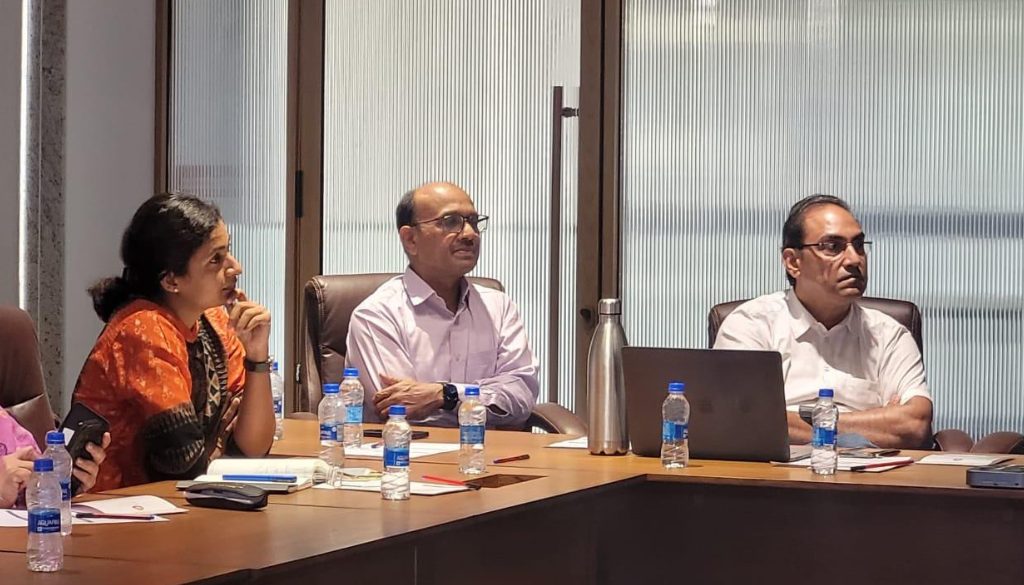
Pune, 21st March 2025: Relevant and in-demand industry skills courses, such as on Digital Public Infrastructure (DPI), must be integrated into the Engineering curricula to prepare the workforce for the digital age.
The view was expressed by experts from industry and academia at the Pune International Centre (PIC)’s roundtable to discuss a recommendation paper on introducing a DPI course in the Engineering curricula.
DPI refers to the foundational digital systems, services, and networks that are publicly accessible and enable the delivery of essential services to citizens. It encompasses a wide range of technology platforms and digital tools that support critical functions, such as governance, healthcare, education, and finance, and provides inclusive and equitable access to services.
Attended by experts from academia and industry and students and researchers from PIC, the conference focused on the relevance of a course on DPI, its curriculum, and potential implementation. Participants expressed a strong interest in continuing the conversation through follow-up discussions aimed at developing actionable strategies. Their goal is to share best practices for successfully incorporating the DPI course into today’s curriculum, with the potential to extend its integration into faculties beyond engineering disciplines.
Dinanath Kholkar, Research Track Lead, Science, Technology and National Innovation Ecosystem, PIC, noted that students were largely unaware of the significant developments in India surrounding DPI, emphasising that the current effort aims to establish a formal course to ensure that all students gain awareness and understanding of DPI.
Dr. Pradeep Mane, Principal of AISSMS IOIT, Dr. Rajesh Ingle, former Vice Chancellor of Symbiosis Skills and Professional University, and Dr. Vivek Bhartiya from TCS, who have been instrumental in drafting a model syllabus as a recommendation to bodies like AICTE through the PIC advocacy initiative, led an insightful session on the draft curriculum proposal.
The primary focus of the discussion was the integration of the DPI course with the National Education Policy (NEP). The conversation centered on the challenges of incorporating new courses into an already rigorous educational framework. Participants shared their experiences, insights, and strategies for overcoming these challenges.
In addition, the topic of workforce development was a key point of discussion. There was a consensus on the importance of continuous learning and skill enhancement to address the evolving demands of the job market. Participants highlighted the challenges of attracting and retaining talent in an environment of rapid technological and economic change. They also discussed the value of training programmes and strategic partnerships with educational institutions to equip the workforce with the necessary skills to thrive in the future.
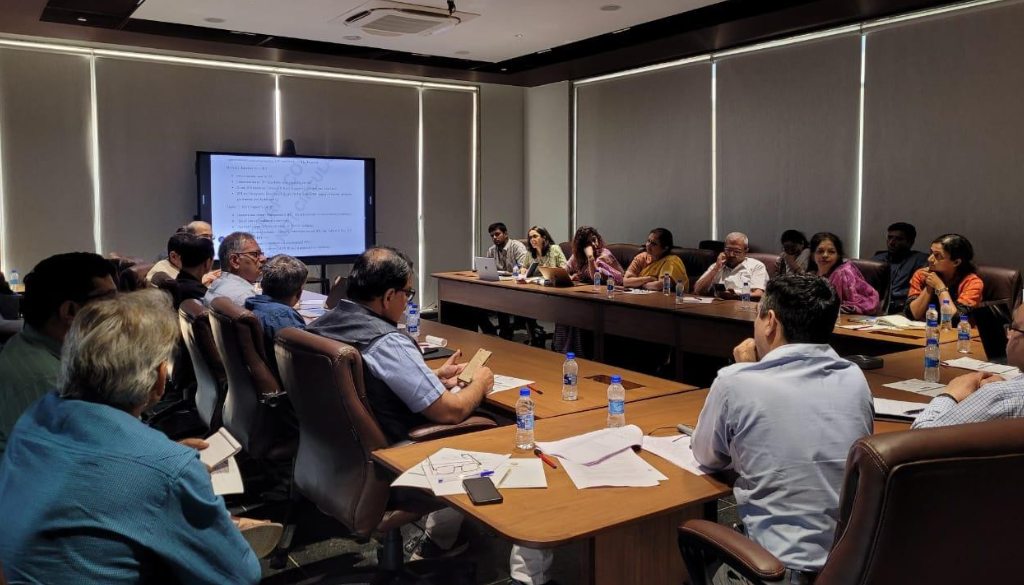
Dr. Madhura Vipra, CEO of Medvolt Tech, underscored the importance of incorporating a gold data standard, data security, and legal considerations into the curriculum for Digital Public Infrastructure (DPI).
Dr. Deepak Shikarpur, Director at Kinetic Communications Ltd., suggested that learning should be directly linked to tangible job incentives, emphasising that such incentives can drive meaningful engagement and action.
Rekha Sugandhi, Director at MITADT, raised concerns about the challenge of integrating a new course into the already demanding Indian education system. She proposed offering the DPI course as a minor rather than an elective to ease its incorporation.
Navin Kabra, Entrepreneur and Founder of ReliScore.com, suggested that, given the expansive nature of the DPI landscape, the focus should be on streamlining foundational content rather than attempting to cover every use case.
Parth Lawate, Entrepreneur and Co-Founder of Tekdi Technologies, questioned whether the course should focus on teaching the creation of DPI systems or build upon existing DPI frameworks.
The discussion also explored the impact of global events, such as the COVID-19 pandemic, and how India’s implementation of DPI through initiatives like CoWIN stands as a successful case study for learners.