Is Blue Light the Only Reason Behind Poor Sleep? Know More About This
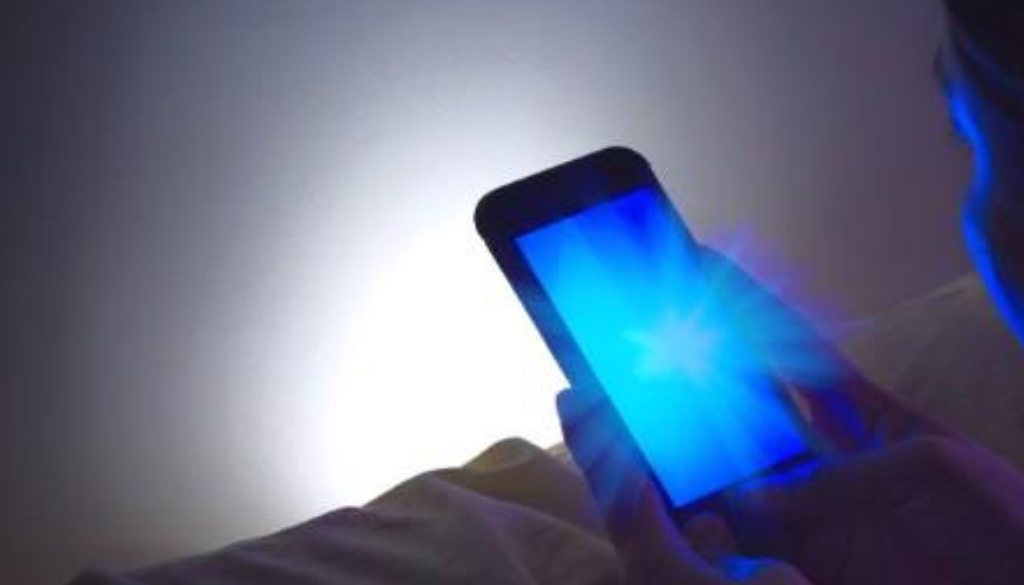
New Delhi, 21st August 2025: It is often said that scrolling through your smartphone or working on a laptop before bedtime disturbs sleep, and the main culprit is believed to be the blue light emitted from these devices. Blue light can indeed suppress the release of melatonin, the hormone that regulates sleep, but experts caution that it is not the only factor disturbing your sleep cycle.
How Much Does Blue Light Really Affect Sleep?
Several studies in the last decade have examined this link:
-A 2013 study found that using an iPad at full brightness for two hours had a mild impact on sleep, but one hour of use showed no significant effect.
-A 2014 study revealed that watching TV from a distance of about nine feet had little to no impact on melatonin levels.
-A 2018 study emphasized that brightness plays a far greater role than blue light itself. High brightness increased sleep disruption, while dim screens and night mode settings reduced the effect.
Interestingly, exposure to natural daylight during the day also buffers the impact of screens at night. The more sunlight a person gets, the less disruptive evening screen exposure tends to be. Sensitivity also varies individually- some may struggle to sleep after minimal exposure, while others remain unaffected even after watching action-packed films late at night.
Why Does Screen Time Disrupt Sleep?
-Recent research suggests that the activities performed on screens may be more disruptive than the light itself.
-Scrolling social media, playing high-intensity video games, shopping online, or consuming a constant stream of news stimulates the brain’s reward system.
-This leads to the release of dopamine, a “feel-good” chemical that keeps the brain alert and engaged, making it harder to switch off and fall asleep.
A recent study found that adults who played video games or engaged in active chatting before bed not only took longer to fall asleep but also reduced their overall sleep duration. Surprisingly, those who only watched television or a calm movie did not experience the same negative effects.
Can Screens Ever Help Sleep?
Contrary to popular belief, screens may sometimes aid sleep. For people struggling with anxious or negative thoughts, a light distraction such as a comedy show or a familiar, comforting movie can calm the mind and reduce overthinking, thereby promoting sleep.
While blue light has its role in disturbing sleep, screen habits and mental engagement matter far more. Reducing screen brightness, using night modes, and limiting stimulating activities before bed are practical ways to improve sleep hygiene. And in some cases, the right kind of screen content may even help in drifting into slumber.