Maharashtra: Students Urged to Report Overcharging as Fees Regulating Authority Issues Warning
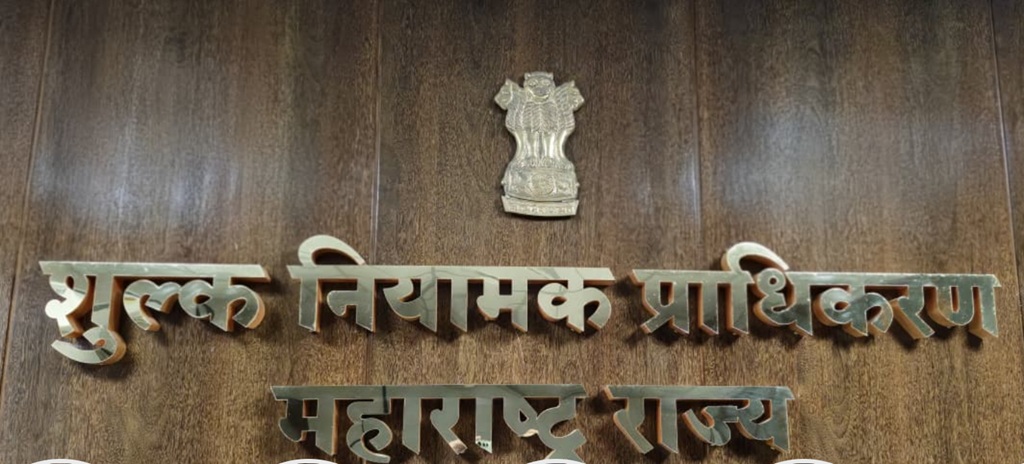
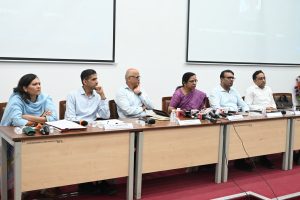
Pune, 17th February 2026: In a move aimed at curbing irregular fee practices in unaided private professional colleges across Maharashtra, the Fees Regulating Authority (FRA) has announced stricter enforcement measures for the 2025–26 academic year. Member Secretary Dr. Arjun Chikhale warned that institutions found charging fees beyond approved limits will face direct legal action.
The authority has directed all institutions to display a dedicated “FRA Fee Structure” section prominently on their official websites. This section must clearly list the breakdown of tuition fees, development charges, and caution deposits, along with details specifying the name in which admission fee demand drafts should be issued. Non-compliance will be treated as a violation of regulations.
According to the FRA, institutions dissatisfied with the fees determined by the authority may apply for a review within 15 days. However, until a final decision is issued, colleges must continue charging fees at the previously approved rate. They may obtain only an undertaking from students regarding any proposed increase, and admission cannot be denied if the additional amount is not paid.
The regulator reiterated that under the applicable state law governing admissions and fees, colleges are prohibited from collecting more than one academic year’s fees in a single year. It also stressed that transparency is mandatory for charges applied to students admitted under NRI and management quota categories.
The authority has advised students and parents not to panic if any institution demands even a nominal amount above the approved fee and urged them to file complaints online with supporting documents through its official portal. Officials said strict action will be taken against violators.
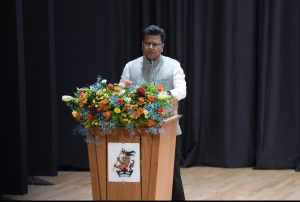
Dr. Chikhale stated that educational institutions must adhere to regulatory norms and that safeguarding students’ interests remains the authority’s primary objective.