Mumbai Police Rejects Permission for Maratha Reservation Protest at Azad Maidan
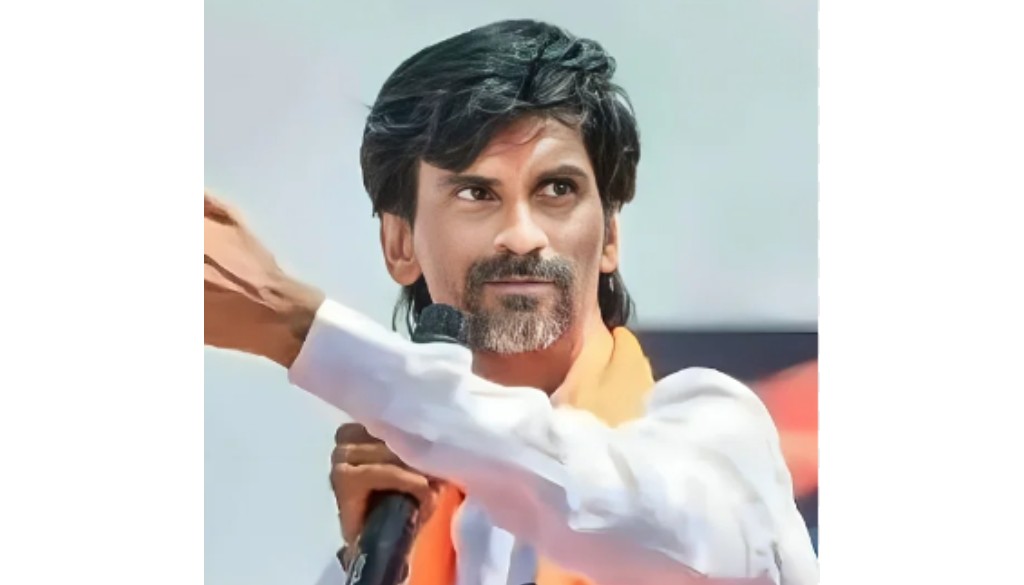
Mumbai, 25th January 2024: The Mumbai Police has declined Maratha activist Manoj Jarange Patil’s request to hold a hunger strike at Azad Maidan amid the ongoing Maratha Reservation protest. The denial was attributed to concerns regarding the expected large crowd size and the limited capacity of Azad Maidan.
Azad Maidan, capable of accommodating only 5 to 6 thousand participants, was deemed inadequate for the anticipated number of protesters involved in the Maratha reservation protest. Jarange, leading the Maratha Kranti Morcha, had sought approval for the hunger strike to underscore the demand for Maratha community reservation within the Other Backward Class (OBC) category. The police, mindful of Mumbai’s status as the economic capital, expressed apprehensions about the potential impact on daily traffic.
The police emphasized Mumbai’s role as the economic hub, with millions commuting daily and the presence of national and international offices. The potential disruption caused by the protest rally entering the city was a key factor in the decision to deny permission for the hunger strike at Azad Maidan.
In response to the denial, Manoj Jarange Patil proposed the International Corporation Park ground in Sector 29, Kharghar, Navi Mumbai, as an alternative venue for the hunger strike. The suggested alternative aims to address concerns about traffic congestion while allowing the protest to proceed.
As Jarange continues his padayatra towards Mumbai via Navi Mumbai, the Navi Mumbai police issued a traffic advisory, diverting routes on January 25 to ensure smooth vehicular flow. Despite the denial of permission for Azad Maidan, the Maratha Reservation protest remains a pressing issue with legal and logistical considerations.
While the Bombay High Court declined to prevent Jarange’s entry into Mumbai, it directed the Maharashtra government to take measures to prevent road congestion during the protest. The government is urged to find a balance between citizens’ right to protest and the imperative of maintaining public order.