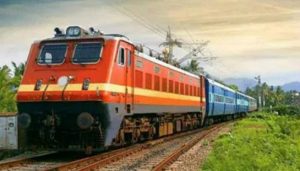
Over 78% of Indian Railway Tracks Now Fit for 110 kmph and Above; Vande Bharat Sleeper Train Commissioning Underway
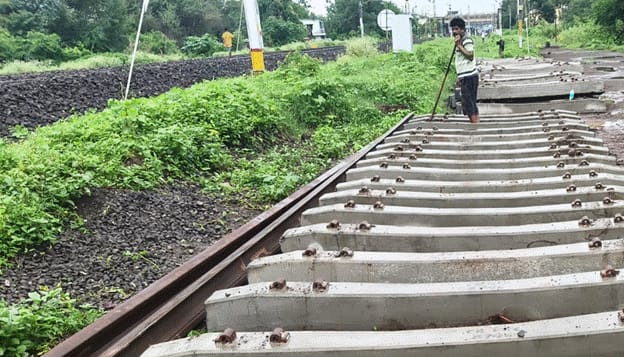
New Delhi, 25th July 2025: Indian Railways has significantly enhanced the speed potential of its broad-gauge network over the last decade, with over 78% of the tracks now fit to support speeds of 110 kmph and above. This information was provided by Union Minister for Railways, Communications, and Electronics & Information Technology, Ashwini Vaishnaw, in a written reply to a question in the Rajya Sabha today.
According to the data shared, out of a total 1,05,672 km of broad-gauge track in 2025, 59,800 km (56.6%) are now fit for sectional speeds between 110-130 kmph, while 23,010 km (21.8%) are fit for speeds of 130 kmph and above. In comparison, in 2014, only 26,409 km (33.3%) of tracks supported 110-130 kmph, and 5,036 km (6.3%) were capable of handling speeds of 130 kmph and above.
Sections with a speed potential of less than 110 kmph have reduced from 47,897 km (60.4%) in 2014 to 22,862 km (21.6%) in 2025.
The measures undertaken for upgradation of railway tracks include the use of 60 kg rails, wider base concrete sleepers, thick web switches, longer rail panels, H Beam sleepers, and deployment of modern track renewal and maintenance machines. These initiatives have contributed to a substantial improvement in the speed capability of railway tracks across the Indian Railways network.
The Vande Bharat trains currently running are semi-high-speed services with a design speed of 180 kmph and a maximum permissible operating speed of 160 kmph. The average running speed of these trains is influenced by various factors, including the geometry of the track, stoppages en route, and maintenance activities in the section.
Additionally, the first prototype of the Vande Bharat Sleeper trainset has been manufactured and is undergoing commissioning based on the experience gained from extensive field trials. The commissioning process is currently underway.
The total broad-gauge track length of Indian Railways has increased from 79,342 km in 2014 to 1,05,672 km in 2025.