Pune: ‘Death Trap’ Junction? Residents Flag Dangerous Design of SM Ghule Circle After Fatal Tanker Crash in Mohammadwadi
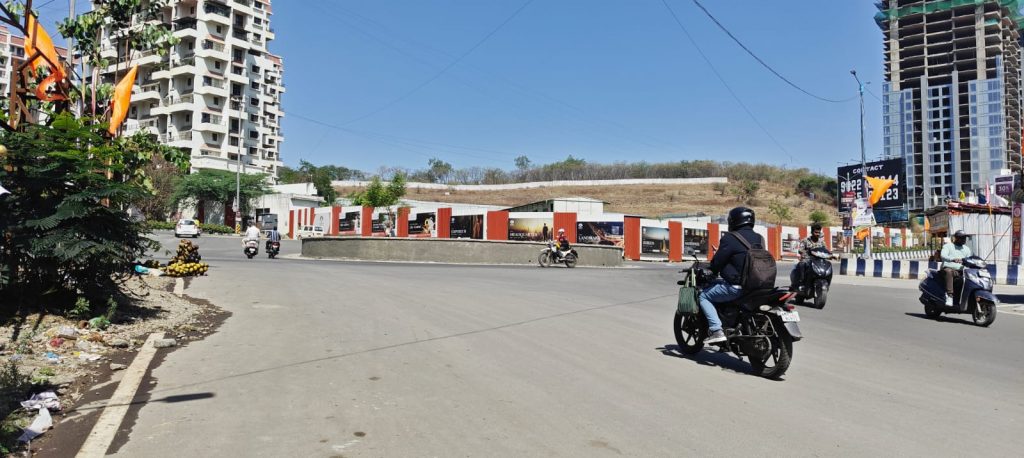
Mohammadwadi, 8th April 2026: The death of 19-year-old Aariz Shaikh in a tanker-related accident on NIBM Road has triggered sharp criticism of civic planning and traffic enforcement near SM Ghule Circle, with residents describing the junction as a “death trap” and demanding urgent intervention from authorities.
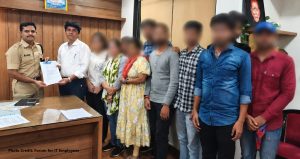
In a detailed complaint submitted to the Pune Municipal Corporation (PMC) and Pune City Police, residents of Mohammadwadi and NIBM Annexe have alleged that flawed road design and unchecked movement of heavy vehicles are creating a dangerous situation in the NIBM–Mohammadwadi corridor. The representation, filed by resident Jaymala Dhankikar, calls for immediate redesign of the junction and strict regulation of water tanker traffic.
Shaikh died on April 5 when a speeding water tanker rammed into his two-wheeler near the Cloud 9–Anandvan stretch on NIBM Road, a short distance from SM Ghule Circle. The impact was severe, and he died on the spot. Residents say the incident exposes deeper systemic issues involving road engineering, traffic management and the unregulated operation of tanker vehicles in the area.
The complaint, addressed to the Municipal Commissioner, the Commissioner of Police and Additional Commissioner of Police Manoj Patil, alleges that the design of SM Ghule Circle violates basic road safety principles. According to the petition, the junction has an inadequate turning radius for heavy vehicles, lacks proper lane channelisation and has blind merging points that reduce visibility for motorists. Vehicles reportedly approach the circle at high speed from multiple directions, increasing the likelihood of collisions.
Residents argue that the risks are compounded by the heavy movement of private water tankers along the NIBM–Mohammadwadi–Pisoli stretch. Due to chronic water shortages in the area, tanker vehicles make multiple trips daily, often without effective speed regulation or monitoring.
Raj Singh, a local resident, said the problem has been building for years. “This stretch has effectively become a death trap. Tankers move at high speed throughout the day, and the geometry of the circle forces risky turning movements. Unless the junction is redesigned, more lives could be lost,” he said.
Another resident, Minoo Irani, said tanker operations remain largely unregulated. “There is no proper monitoring of tanker movement. Many vehicles appear poorly maintained and drivers are under pressure to complete several trips a day. Authorities must introduce GPS tracking, speed governors and restrict tanker entry during peak traffic hours,” Irani said.
Sandhya Gokhale criticised the lack of preventive infrastructure on the stretch. “After every accident, there is discussion about action, but nothing changes on the ground. There are no speed-calming measures, proper signage or consistent traffic monitoring. Pedestrians and motorists feel unsafe,” she said.
The petition demands that SM Ghule Circle be redesigned according to Indian Roads Congress norms, along with installation of speed breakers, rumble strips and clearer traffic signage. Residents have also sought proper lane channelisation, pedestrian safety infrastructure and stricter enforcement of traffic rules for heavy vehicles.
In addition, the complaint calls for GPS-based monitoring of tanker movement, speed control mechanisms, licensing checks for tanker operators and restrictions on heavy vehicle movement during peak hours. Residents have also demanded permanent deployment of traffic police, installation of speed cameras and a comprehensive safety audit of the entire NIBM–Mohammadwadi corridor.
The representation further seeks accountability within PMC for what residents describe as a fundamentally unsafe road design.
Residents warned that the death of Aariz Shaikh is not an isolated incident but part of a recurring pattern of tanker-related accidents in the area. Without immediate corrective measures, they said, the stretch could soon be classified as a major accident black spot as traffic volumes continue to rise.