Pune: Maval MLA Sunil Shelke Flags Shortage of Indrayani Rice Seeds; Popular Staple at Risk in Maharashtra

Reported by Varad Bhatkhande
Mumbai, 2nd July 2025: Indrayani rice, a widely consumed staple in Maharashtra households, is facing a potential shortage due to an insufficient supply of seeds in Maval Taluka, Pune district, the region where this variety is predominantly grown.
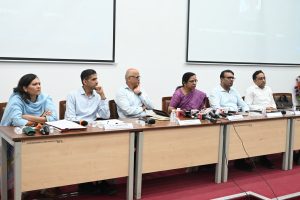
During the Monsoon Session of the Maharashtra Legislative Assembly, Maval MLA Sunil Shelke, representing the Ajit Pawar-led Nationalist Congress Party (NCP), raised the issue and urged the state government to take immediate action.
In Maval, Indrayani rice is cultivated on approximately 12,865 hectares. However, farmers are currently facing a shortage of seeds. Shelke alleged that despite repeatedly appealing to the Agriculture University, no concrete steps have been taken so far. He also criticized the government for its negligence.
Shelke claimed that Indrayani seeds are being sold outside Maharashtra, depriving local farmers. “This injustice must stop. Farmers deserve timely access to seeds at fair prices. An efficient system needs to be established,” he said.
He further demanded strict action to curb black marketing of seeds. He suggested that local agricultural bodies and cooperative societies should be entrusted with the responsibility of directly distributing seeds to farmers. This, he said, would build trust among farmers and ensure reliable supply.
“To secure the future of farmers is the real responsibility. We need policy-driven decisions,” Shelke added.
Indrayani Rice: Perfect for Pulao, Khichdi, Dal Rice
Indrayani rice is a traditional, aromatic rice variety native to Maharashtra, especially cultivated in the Maval region of Pune. Developed in 1987 as a hybrid of Ambemohar rice, it is prized for its fragrant aroma, soft and slightly sticky texture, and mildly sweet taste. Indrayani is a staple in Maharashtrian households, favored for daily meals like pulao, khichdi, and dal rice due to its easy digestibility and nutritional value, including iron, zinc, and antioxidants. Its affordability, versatility, and suitability for all age groups make it essential to the region’s cuisine and culture.