
Pune: Mula-Mutha River Pollution at Alarming Levels, Study Finds Toxic Metals and Drug-Resistant Bacteria
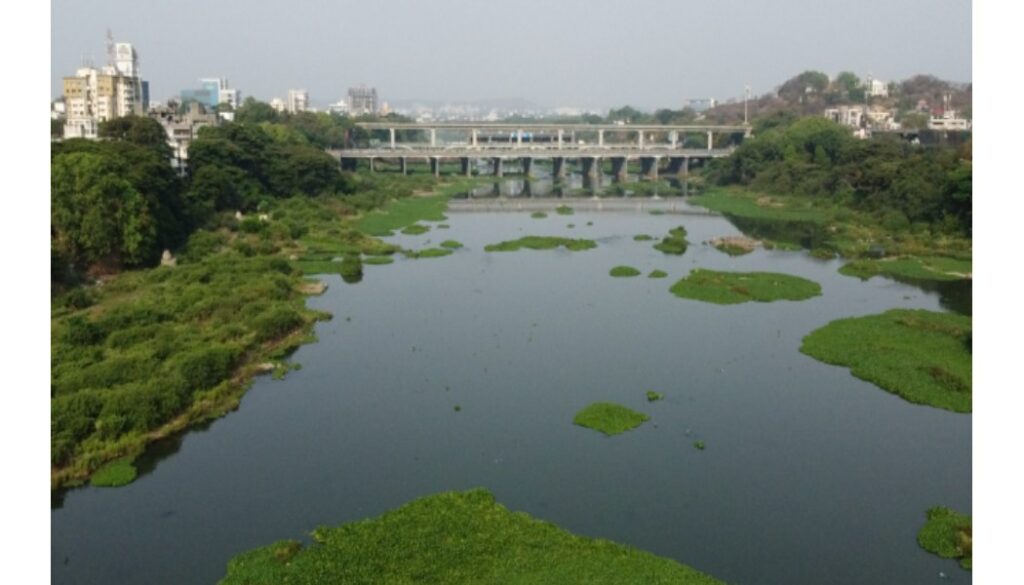
Pune, 31st July 2026: Pollution in the Mula-Mutha River has reached an alarming level due to the continuous discharge of untreated sewage, industrial effluents and biomedical waste, with researchers detecting dangerously high levels of toxic heavy metals and multidrug-resistant (MDR) bacteria in the river water. A recent study has identified Mhatre Bridge and Sangam Bridge as the worst-affected stretches, raising serious concerns over public health and environmental safety.
The study was conducted by a research team led by Dr. Vinay Kumar from the Department of Biotechnology at Modern College of Arts, Commerce and Science, Ganeshkhind, along with researchers Kavaljit Kaur, Pramod Barthe and Sagar Reddy. The findings have been published in the journal Toxicology and Environmental Health Sciences. The research was funded by the Union government’s Department of Biotechnology under the BUILDER programme.
Analysis of water samples collected from the river revealed the presence of harmful bacteria, including Klebsiella pneumoniae and members of the Enterobacteriaceae family. More than 75 per cent of the bacterial isolates were found to be multidrug-resistant, making them resistant to commonly used antibiotics such as cephalosporins, penicillins, fluoroquinolones and even carbapenems, which are considered the last line of treatment for severe bacterial infections. The study also found that nearly 73 per cent of the bacteria could form biofilms, significantly reducing the effectiveness of antibiotics.
Researchers also detected excessive levels of toxic heavy metals, including zinc, lead, copper, cadmium, cobalt, arsenic and chromium, with concentrations exceeding the limits prescribed by the World Health Organization (WHO) and Indian standards. Statistical analysis revealed a strong correlation between heavy metal contamination and antibiotic resistance, indicating that prolonged exposure to toxic metals enables bacteria to simultaneously develop resistance to both heavy metals and antibiotics.
The researchers warned that direct contact with or use of the contaminated river water could expose people to serious health risks, including cancer, with children being more vulnerable than adults. They also cautioned that since Mula-Mutha river water is widely used for irrigation and other daily purposes, the toxic metals and drug-resistant bacteria could enter the food chain, posing a significant long-term threat to public health. The study has urged authorities to immediately prevent the discharge of untreated sewage, industrial waste and chemicals into the river and improve the performance of sewage treatment plants. “Both immediate and long-term measures are needed to restore the river. Scientific research is essential to accurately understand the extent of pollution and guide effective action by the administration and society,” said Dr. Vinay Kumar.