Pune Sees Sharp Rise In Swine Flu Cases; August Count Jumps To 225 From 35 In July
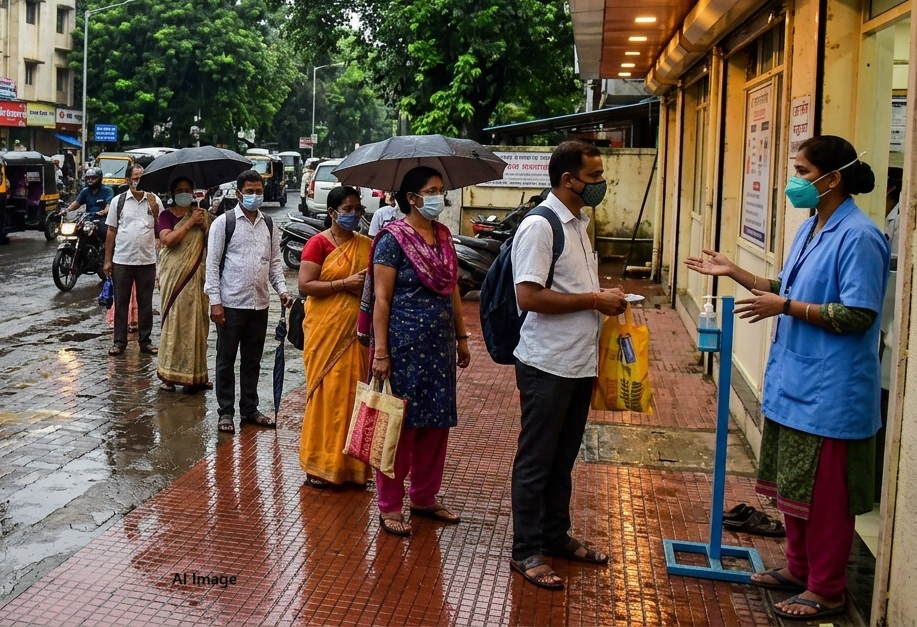
Pune, 30th August 2026: Pune has witnessed a sharp rise in swine flu (H1N1) cases, with the number of reported cases increasing from 35 in July to 225 in August, according to Pune Municipal Corporation (PMC) data. Medical experts have advised citizens to avoid crowded places and take necessary precautions, particularly senior citizens and people with underlying health conditions.
According to PMC data, only two swine flu cases were reported in the city during the first quarter of the year. No cases were reported in January or March. However, the number of cases began increasing from May and has risen significantly in recent months.
Doctors said swine flu initially presents with symptoms such as fever, cough and sore throat. In some patients, however, the infection can progress to pneumonia, potentially causing a drop in blood oxygen levels.
Senior citizens and people with comorbidities have been advised to exercise particular caution.
The Indian Council of Medical Research (ICMR) recently stated that the strain of swine flu currently circulating in the country is generally mild. However, experts have stressed that elderly people and those with underlying health conditions should remain cautious and avoid crowded places where possible.
Symptoms of swine flu
Common symptoms include:
- Sudden onset of high fever
- Persistent dry or phlegmy cough
- Cold and runny nose
- Sore or irritated throat and difficulty swallowing
- Severe headache, muscle pain and body ache
- Persistent fatigue
- Vomiting or diarrhoea
Precautions to reduce infection risk
Health experts have advised citizens to:
- Wash hands frequently with soap and water or use a hand sanitiser.
- Cover the mouth and nose with a handkerchief or tissue while coughing or sneezing.
- Wear a mask in crowded places.
- Avoid touching the eyes, nose and mouth with unwashed hands.
- Maintain a safe distance from people who are sick or have cold and cough symptoms.
- Drink adequate boiled or safe drinking water and maintain a nutritious diet.
- Consult a doctor promptly if symptoms develop instead of taking medicines without medical advice.
Treatment available, timely diagnosis important
According to Dr Avinash Bhondwe, the H1N1 virus that caused the 2009 swine flu pandemic did not disappear completely and continues to undergo changes, resulting in periodic outbreaks.
He said effective antiviral treatment has been available since 2009 and that the disease generally does not become severe when diagnosed and treated in time.
Bhondwe also said the intranasal vaccine developed against swine flu was not available in the market after 2009-10 and suggested that appropriate use of such vaccination could help reduce recurring outbreaks.
While the current increase in cases is a cause for caution, experts have advised citizens to remain alert, follow respiratory hygiene measures and seek timely medical attention if symptoms worsen.