Pune: Solar Fencing Scheme Shields Farmers in Junnar from Leopard Threats
Junnar, 2nd December 2024: Farmers in leopard-prone regions of Junnar and Shirur talukas in the Pune district of Maharashtra are experiencing significant relief thanks to the solar fencing scheme introduced by the Forest Department. The innovative initiative is proving effective in deterring leopards from venturing near human dwellings, ensuring safety for families and their livestock.
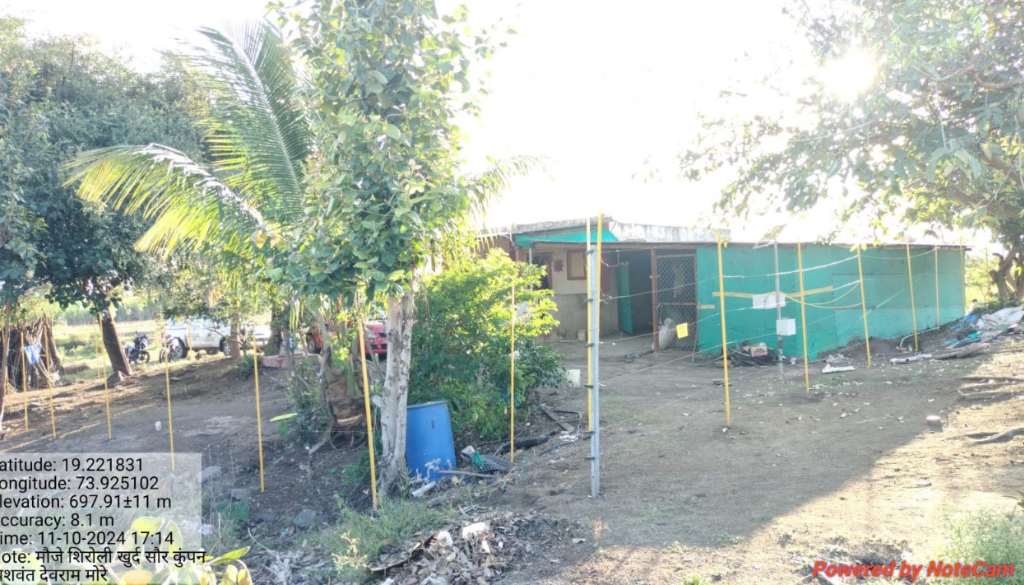
The Junnar Forest Department has installed solar fences around 10 homes—six in Junnar taluka and four in Shirur taluka. These fences emit a mild electric shock accompanied by a siren when a leopard comes in contact with them, scaring the animal away. Since the installation, the farmers report that leopards have not returned.
“This solar fence is very effective in preventing leopards. Farmers whose houses have been solar fenced are benefiting greatly. In high-risk areas, it’s crucial for more isolated homeowners to get these fences installed immediately,” said Amol Satpute, Deputy Conservator of Forests.
To extend the benefits, the department has selected 660 farmers from Junnar, Shirur, and Ambegaon talukas for the scheme. Funded under the District Annual Plan Disaster Management, the initiative has an approved budget of Rs 150 lakh. Each fence costs Rs 30,000, with the government covering 75 percent of the cost while the farmer contributes the remaining 25 percent, amounting to Rs 7,500.
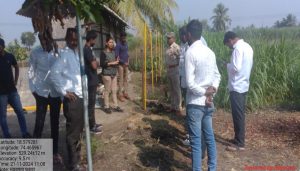
“This initiative protects about half an acre of land around each house. It not only safeguards against leopards but also provides protection from other wildlife,” added Satpute.
Farmers who have benefitted from the program are urging others to adopt the solution. “A leopard came near our house and killed our pet dogs. Since the solar fence was installed, the leopard hasn’t returned. It has also kept other wildlife at bay,” said Sagar More, a farmer from Shiroli Khurd, Junnar.
The Forest Department plans to continue expanding the scheme to cover more homes in the region, addressing the dual concerns of human-wildlife conflict and rural safety.