Pune University Struggles as PhD Admissions Drop From 235 to 17 in Three Years
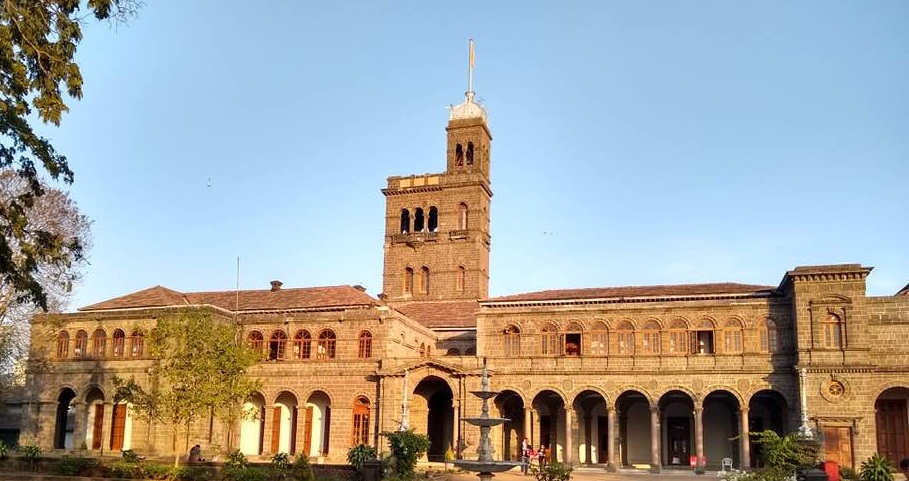
Pune, 28th September 2025: Official documents prepared for the upcoming senate meeting on September 30 reveal that between 25% and 30% of seats in undergraduate and postgraduate programs have remained unfilled over the past three years. The situation is worse at the doctoral level—PhD admissions have plunged from 235 in 2021–22 to just 17 in the current academic year (2024–25).
The sharp fall in research enrolments is expected to dominate senate discussions, especially since it has contributed to the university’s slip in national rankings. SPPU fell from 37th place in the overall National Institutional Ranking Framework (NIRF) last year to 91st this year.
Senate member Dadabhau Shinalkar said the declining rank is a matter of prestige. “This is not only about numbers but about the image of the university. Today, parents are ready to spend on higher education, but they demand quality. If private institutions appear stronger in rankings, students will prefer them. We need to critically assess the gaps and work out a strategy,” he said.
In its response to a query by senate member Shantanu Lamdhade, the university attributed the vacancies to increased competition from affiliated colleges, as well as private and deemed universities offering similar programs. “While some departments admitted students to full capacity, cancellations later created vacancies that could not be filled once the admission deadlines passed,” the reply stated.
Lamdhade, however, dismissed this explanation. “These are just excuses. The university has failed to promote its courses effectively. Placement opportunities are also weak—according to the official reply, only 497 students have been placed directly through the university in the last five years,” he said.
He further argued that several departments receive little student interest but continue to operate unchanged. “We must evaluate whether such courses should continue in their present form. There is a need to innovate, restructure, and bring capable people into leadership roles instead of overburdening existing staff with additional responsibilities,” Lamdhade added.
The senate meeting is expected to see intense debate over these issues, as stakeholders push for reforms to restore the university’s academic reputation.