Pune: Who’s Polluting the Pavana? Conflicting Claims Put River’s Health Under NGT’s Lens
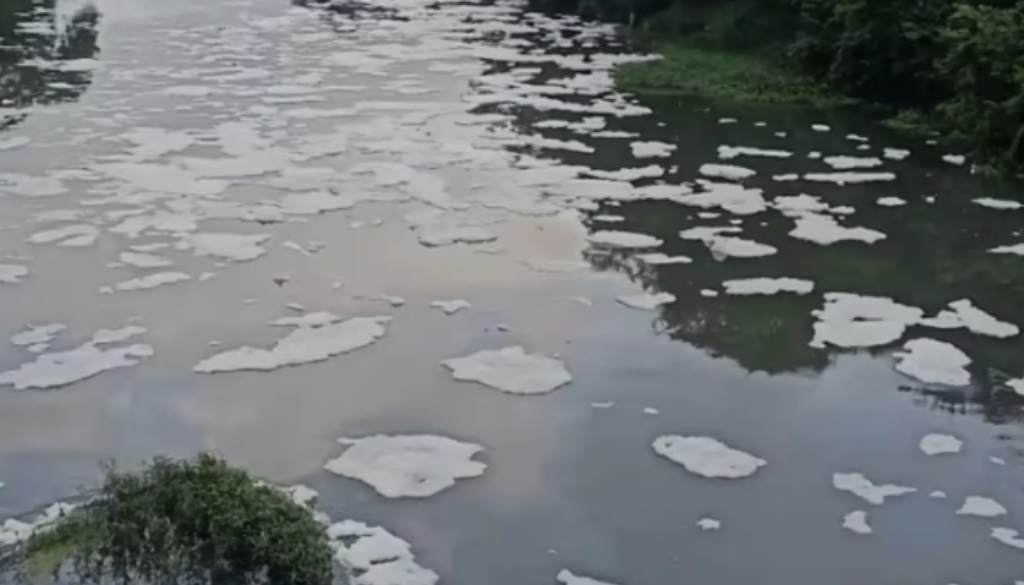
Pune, 26th August 2025: Is the Pavana River really polluted, or are authorities simply passing the buck? That’s the question now making waves in Pune’s environmental circles after two key civic bodies presented contradictory statements before the National Green Tribunal (NGT).
On one hand, the Pune Zilla Parishad claims there’s “no pollution” in the Pavana. On the other hand, the Pune Metropolitan Region Development Authority (PMRDA) has blamed several villages for contaminating the river. Caught between these opposing narratives, the NGT has stepped in to uncover the truth.
NGT Orders Ground Reality Check:
Taking note of the conflicting submissions, the NGT has ordered the creation of a joint committee to conduct an on-site inspection and submit an independent report.
The panel will comprise representatives from:
Maharashtra Pollution Control Board (MPCB)
Central Pollution Control Board (CPCB)
Pune District Collector’s Office
The committee’s task? To look beyond paperwork and assess the real state of the Pavana, gathering evidence directly from communities along its banks.
Advocate Kunal More, who moved the application before the tribunal, explained that the NGT has insisted on prior intimation to all stakeholders—including petitioners, respondents, and local villagers-before any field inspection takes place.
“Contradictions have been found between the submissions of the Zilla Parishad and PMRDA,” More said. “The MPCB has already listed Pavana among India’s polluted rivers. This committee will not only inspect the river but also collect testimonies from residents of over 50 villages in the Pavana basin. These voices will be crucial to pinpointing the true causes and accountability.”
He has also appealed to locals from the Pavana valley to actively cooperate, share observations, and provide any supporting information that can help uncover the ground realities.
Next Hearing on December 1
The tribunal’s next hearing is scheduled for December 1, 2025, by which time the committee’s findings are expected to provide clarity. For now, the Pavana River remains at the center of a debate that reflects larger challenges in environmental governance—where data and accountability often clash.