Rethinking Intelligence: Indian Schools Need to Embrace Diversity in Learning
By Siddhi Patil
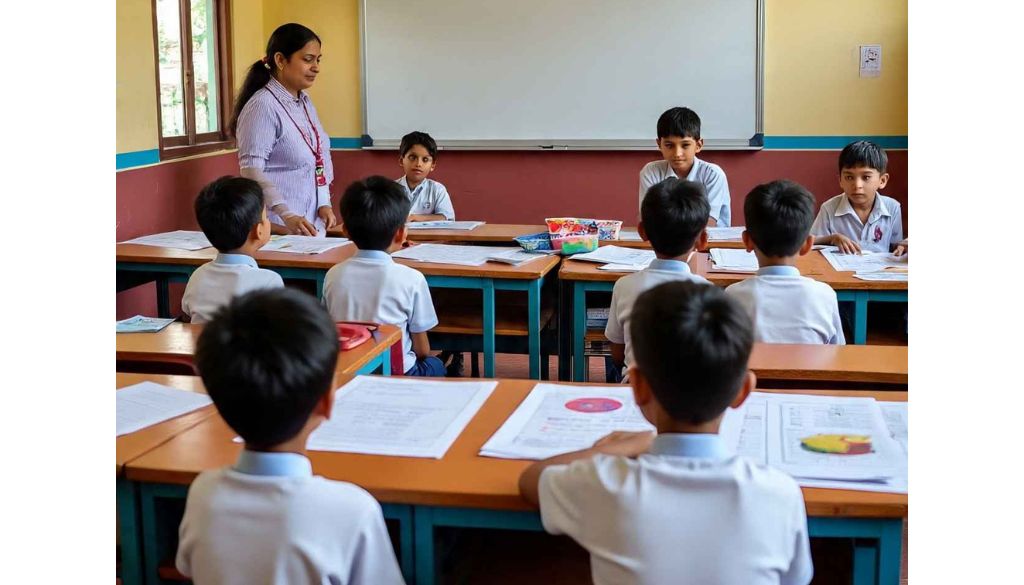
Pune, 22nd July 2025: For many students, school is where they discover their strengths. But for neurodivergent students and those with learning disabilities, it’s often where they first feel excluded. In India’s rigid academic system—defined by rote learning, standardized testing, and narrow definitions of intelligence—their struggles often go unacknowledged and unsupported.
Gayatri Kulkarni, 22, recalls how trauma after her father’s passing deeply affected her ability to process information. “I didn’t know if I had a disability in technical terms,” she said. “But I couldn’t understand anything being taught in school. After failing multiple grades, I was told I had a ‘low IQ’ and was sent to a special school.” While she found the teachers there more understanding, the system posed new challenges.
“Since it was a Marathi-medium school with no English or math, I couldn’t get into 11th grade later. Now I’m 22, without a graduation, and I still don’t have a job. And I think that schools shouldn’t just dismiss our issues and send us to special schools for the sake of their result. Because this poses a lot of issues when we grow up.”
Others, like software engineer Abhishek Gururani, had more positive experiences. Growing up with ADHD, he benefited from a diverse curriculum in his school. Fortunately for me, my school gave enough weightage to the practical aspect of education. For example, if there was a written exam for a subject for 50 marks, there would be a project in which students had a choice in how to approach it for the rest 50 marks.
So, there was enough space for all students to be creative in their own way. That made schooling much easier for me. And I feel like more schools should take up a similar approach instead of just having a single definition of intelligence.’’
A media student from Pune, struggled with dyslexia in his early years. “For the longest time, nobody understood what I was going through. Teachers just thought I was lazy or dumb,” he said. After being diagnosed, Ruhaan was homeschooled for seven years. “Indian schools often label students as ‘incapable’ if they don’t fit a typical mold. What we really need is for teachers to be trained to identify early signs and create classrooms where neurodivergent students don’t need homeschooling or special schools just to learn. What other students are learning. We just need understanding, and care.”
Their stories highlight the urgent need to make Indian classrooms more inclusive. Not just in policy, but in practice.