Samosas, Jalebis May Soon Carry Health Warnings in Govt Institutions
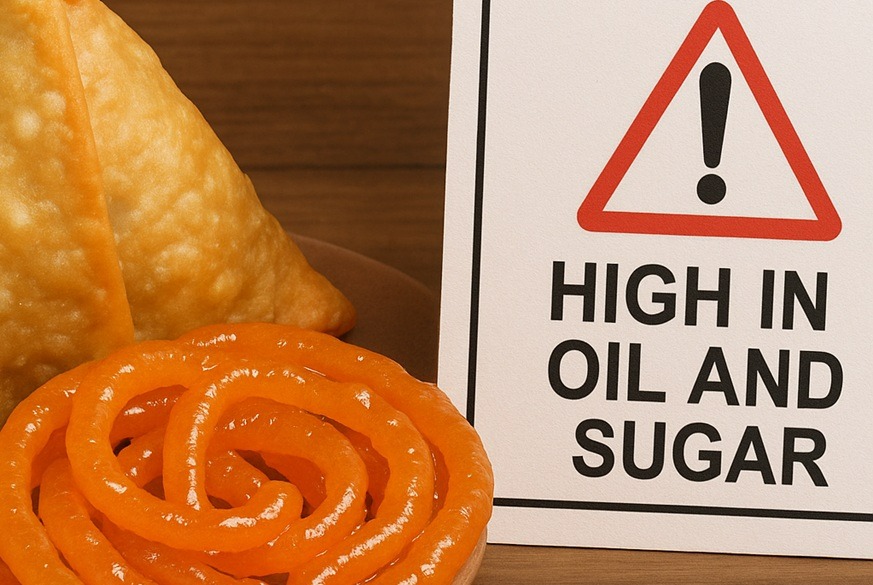
Nagpur, 14th July 2025: In a move reminiscent of anti-tobacco messaging, the Union Health Ministry has directed central government institutions across the country to prominently display warning posters highlighting the high levels of oil and sugar in common Indian snacks.
From crispy samosas to syrup-drenched jalebis, even the humble biscuit paired with chai may now be accompanied by a reminder of the health risks hidden within. These “oil and sugar awareness boards” will be placed in cafeterias and common areas in government-run facilities as part of a national push toward healthier eating.
Officials at AIIMS Nagpur confirmed receiving the directive, noting that implementation in their public spaces is underway. “This marks a shift in how we perceive food labelling — it’s moving closer to the gravity of cigarette packaging warnings,” said Dr Amar Amale, head of the Cardiological Society of India’s Nagpur chapter. “We’ve long known the dangers of tobacco, but sugar and trans fats are equally silent killers. The public deserves to be informed.”
The government’s internal communication paints a stark picture of India’s looming public health crisis. By 2050, it is estimated that over 449 million Indians could fall into the overweight or obese category, putting the country second only to the United States in terms of numbers. Currently, around 20% of urban adults are already overweight. Health experts are particularly alarmed by the surge in childhood obesity, attributing it to unbalanced diets and increasingly sedentary lifestyles.
“This initiative is not about policing food habits or banning traditional favourites,” said noted diabetologist Dr Sunil Gupta. “But transparency matters. If people are told that a single gulab jamun may contain as much sugar as five teaspoons, they might pause before grabbing a second helping.”
Medical professionals and public health activists are welcoming the campaign as a step forward in combating lifestyle-related conditions such as diabetes, high blood pressure, and cardiovascular disease. These ailments, often linked to poor dietary choices, account for a growing portion of India’s disease burden.
The initiative also aligns with Prime Minister Narendra Modi’s “Fit India” movement, which promotes a healthier lifestyle and recently called for a 10% nationwide reduction in cooking oil consumption.
Though still in its early stages, the signage strategy may well shape a new public consciousness — where everyday eating comes not only with taste but also with a touch of awareness.