Supreme Court’s Big Ruling: You Can’t Conceal a Degree to Qualify for a Lower-Level Job
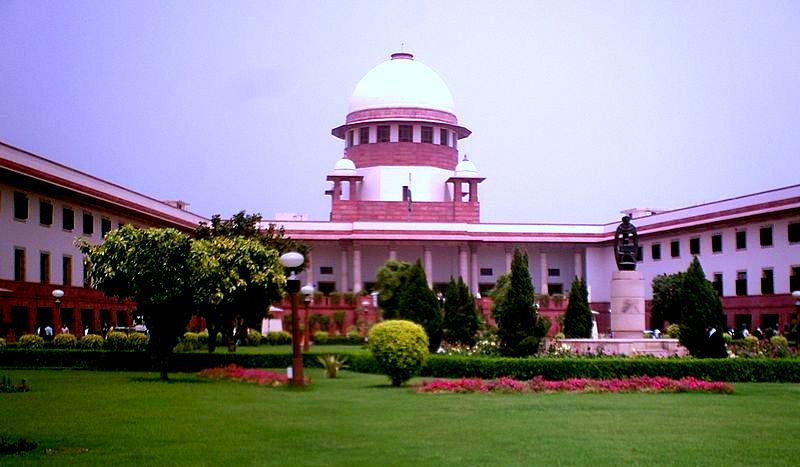
New Delhi, 4th June 2026: The Supreme Court has upheld the dismissal of a former Syndicate Bank employee who concealed his graduation degree to secure a post meant for candidates with lower educational qualifications, ruling that such appointments undermine fair recruitment and deprive genuinely eligible applicants of opportunities.
A bench comprising Justices Ahsanuddin Amanullah and R. Mahadevan dismissed the appeal filed by K. Poovarasan, observing that public employers have the right to prescribe both minimum and maximum educational qualifications for certain posts. The Court said upper qualification limits are intended to protect candidates who could not pursue higher education from being crowded out by more qualified applicants.
Poovarasan was appointed as a Temporary Attender after disclosing that he had passed Class 10, despite being a graduate. His services were terminated after the bank discovered he had withheld information about his degree. While the Madras High Court had earlier ordered his reinstatement, the Supreme Court set aside those orders and restored his dismissal.
The judgment quickly sparked discussion on social media. Many users welcomed the ruling, arguing that jobs created for less-qualified candidates should remain accessible to them. Others pointed to India’s employment crisis, saying the case highlights the growing number of graduates and postgraduates competing for entry-level government and public-sector jobs due to limited opportunities.
The ruling comes amid increasing debate over unemployment and competition for government jobs, reinforcing the authority of public employers to strictly enforce recruitment criteria and eligibility conditions.