US Army Chief Randy George Asked to Step Down Amid Iran War, Pentagon Announces Leadership Shake-Up
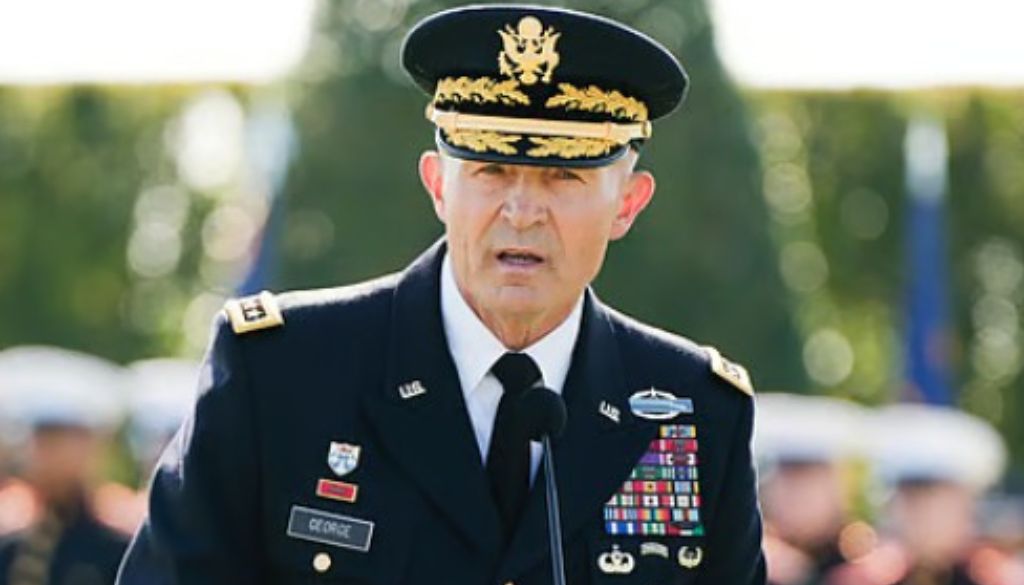
Washington DC, 3rd April 2026: Randy George, the Chief of Staff of the United States Army, has been asked to step down with immediate effect amid the ongoing conflict involving Iran, marking a rare and significant leadership shake-up during wartime. The decision, initiated by Pete Hegseth and confirmed by the Pentagon, comes at a critical moment as tensions continue to escalate in the Middle East.
According to the primary report by Jagran News, George has been asked to retire immediately, although no official reason has been disclosed. His sudden exit is considered highly unusual, given that top military leadership is typically retained during active conflicts to maintain continuity and stability in operations. George had assumed the role in August 2023 under the administration of Joe Biden and was expected to serve a four-year term.
Lieutenant General Christopher LaNeve is expected to take over as acting Army Chief of Staff following George’s departure. The leadership change coincides with increased US military deployments in the region, including paratroopers and Marines, as part of ongoing operations linked to the widening conflict.
The development is part of a broader restructuring within the Pentagon under Hegseth, with multiple senior officers reportedly removed in recent weeks. Reports from Axios indicate that generals such as David Hodne and William Green have also been dismissed, suggesting a wider effort to reshape military leadership during a crucial phase of the conflict. Analysts cited by outlets including India Today suggest the changes may reflect an attempt to align the Pentagon more closely with the strategic vision of Donald Trump.
The backdrop to this shake-up is the intensifying war involving the United States, Israel and Iran, which began in late February 2026 following coordinated military strikes. Reports indicate that the conflict has already seen extensive operations, including thousands of airstrikes targeting Iranian infrastructure and military assets. Despite ongoing hostilities, Trump recently claimed that the war may be nearing completion, even as tensions remain high across the region.
Experts note that the removal of a sitting Army chief during wartime could have far-reaching implications for military strategy, coordination with allies and troop morale. The move also highlights the growing intersection of political leadership and military command decisions at a time when the United States is deeply engaged in one of its most significant military confrontations in recent years.