Vantara Puts People at the Heart of Animal Care

Jamnagar, 19th September 2025: Vantara, the expansive animal rescue and conservation initiative founded by Anant Ambani under the Reliance Foundation, is gaining attention not only for the thousands of animals it has saved but also for its commitment to those working behind the scenes.
Spread across 3,000 acres in Jamnagar, the centre houses over 150,000 animals from more than 2,000 species, ranging from elephants and big cats to reptiles and rare birds. Many were rescued from neglect, abuse, or life-threatening conditions. Each animal is offered specialised care — whether that means customised diets, dedicated enrichment programs, or round-the-clock veterinary support.
Yet, what makes Vantara truly distinct is how it treats its nearly 3,000-strong workforce. These include veterinarians, mahouts, animal handlers, researchers, and global experts in wildlife management. The organisation has put in place robust systems to ensure their safety, health, and professional growth.
“Caring for rescued wildlife is complex and often risky. We realised early on that the wellbeing of our staff directly impacts the wellbeing of the animals,” said a senior member of the management team. Staff members undergo rigorous training in animal behaviour, receive protective gear, and participate in regular medical check-ups. Safety drills and continuous education sessions are also part of the routine.
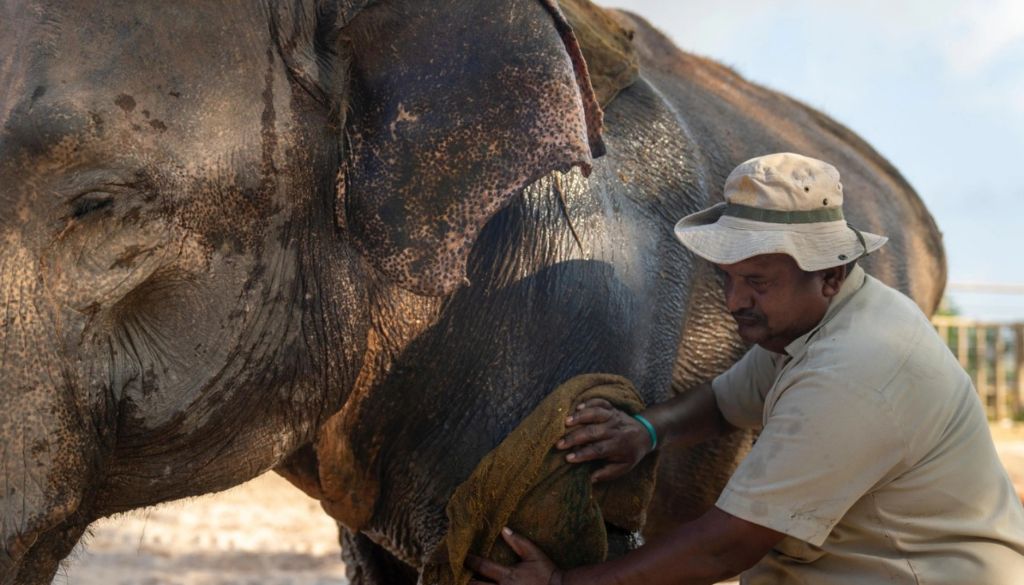
The approach mirrors Anant Ambani’s larger vision for conservation, one that blends science, empathy, and responsibility. He has previously highlighted that true conservation cannot be achieved if the caregivers themselves are vulnerable. This philosophy has shaped initiatives such as one of the world’s largest elephant care hospitals and the development of habitats designed to encourage natural behaviour in animals.
By prioritising the welfare of its personnel, Vantara is building a rare culture where compassion flows in two directions — towards the animals and towards the people who dedicate their lives to them. The result is a model of conservation that recognises humans as an essential part of the ecosystem they are striving to protect.