When Understanding Replaces Confusion, Progress Follows
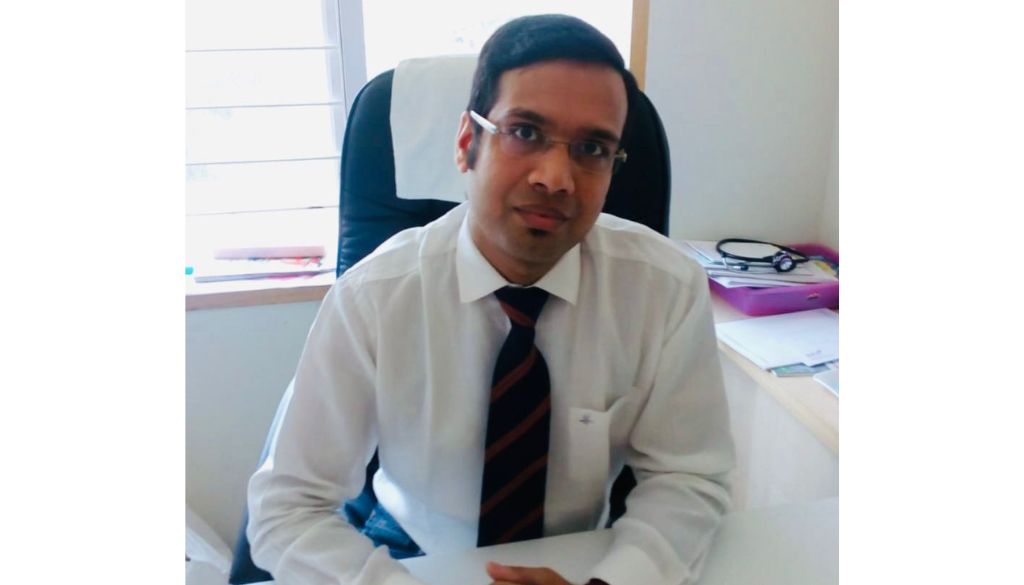
By Dr Chanchal Agrawal
Pune, 6th January 2026: A seven-year-old child was brought to our clinic with persistent academic difficulties. Despite adequate intelligence and regular school attendance, the child struggled with reading, writing, following instructions, and completing classroom tasks independently.
In school meetings, the words came quickly and carelessly: “lazy,” “distracted,” “slow.”
At home, the picture looked different. It was a child trying—often for hours—only to end the day in tears. Parents were confused and worried. “If my child is intelligent, why is learning so hard?” They weren’t looking for excuses. They were looking for an explanation that made sense.
Like many parents in this situation, they became deeply observant. Every homework meltdown, every spelling mistake, every complaint from school raised the same question:
Is my child not trying hard enough, or is something else going on?
Rather than dismissing these concerns, the therapy team encouraged detailed discussions. We explored patterns—attention span, processing speed, memory, visual-motor integration, and the demands of the classroom. Gradually, it became clear that the child was not unwilling to learn. The child was struggling to learn in the way the system expected.
This clarity itself brought relief.
Because when families finally hear, “Your child is not lazy,” something shifts. Parents stop blaming the child—and themselves—and begin focusing on support instead of pressure. The home becomes a little quieter. The child breathes a little easier. And for the first time in many months, the family can move forward with direction, not fear.
A structured, multidisciplinary approach
Intervention began in January 2025 with occupational therapy and remedial support. The focus was on foundational skills: attention regulation, motor planning, visual perception, handwriting readiness, and task organisation. Learning strategies were adapted to suit the child’s processing style rather than forcing repetition that only increased frustration.
Progress was not immediate. Improvements were subtle—better sitting tolerance, fewer emotional outbursts during homework, improved task initiation. These changes are easy to overlook at first, but they are critical building blocks. They are the early signs of a child regaining trust in their own ability.
What many people don’t see is how much emotional weight a learning difficulty carries. When a child is labelled “careless” repeatedly, they begin to believe it. They start to avoid tasks not because they don’t want to learn, but because they fear failing again. Every unfinished worksheet becomes proof—in their mind—that they are “not good enough.”
Therapy helps break that cycle.
Within approximately seven months of consistent therapy, meaningful progress became evident. Academic skills slowly improved. The child began reading with more confidence, writing with less fatigue, and approaching tasks with reduced anxiety. The change wasn’t only in schoolwork—it was in the child’s posture, willingness, and self-talk. A child who once shut down began attempting again.
Importantly, therapy continued even after initial gains. Learning disabilities do not disappear. They evolve. Support was adjusted as academic demands increased, and strategies were refined to help the child stay steady through change.
The outcome so far
Today, the child is more confident, emotionally regulated, and independent in learning tasks. Academic challenges still exist, but they no longer define the child’s self-worth. With the right strategies, the child participates actively in school and understands their own learning needs.
A message to parents
If your child struggles academically despite effort, avoids homework or becomes emotionally overwhelmed, or is labelled as careless, slow, or inattentive—know this:
Learning difficulties are not a lack of intelligence.
Repeated questions reflect responsible parenting, not denial.
Progress may be gradual, but consistency changes trajectories.
Be observant. Be patient. Be persistent.
Early identification, continuous support, and collaboration with professionals can transform not just academic outcomes, but a child’s confidence and future.
Learning is not about speed.
It is about access.
(Dr Chanchal Agrawal is
Occupational Therapist
Walnut Clinics, Pune)