46 Parking Hubs, 5 Railway Stations, 4,500 Buses: Inside Nashik’s Kumbh Mela 2027 Transport Blueprint

Reported by Mubarak Ansari
Nashik, 2nd June 2026: Managing the movement of crores of devotees during Simhastha Kumbh Mela 2027 will be one of the largest logistical exercises undertaken in Nashik and Trimbakeshwar. To ensure safe, organised and hassle-free travel, the Nashik-Trimbakeshwar Kumbh Mela Authority (NTKMA) has prepared an extensive public transport plan featuring a 4,500-bus network to be operated by the Maharashtra State Road Transport Corporation (MSRTC).
The proposed transport system includes 3,000 buses dedicated to road-based pilgrim movement from outer parking areas to Nashik and Trimbakeshwar pilgrimage zones, along with an additional 1,500 buses for devotees arriving by train. The integrated shuttle network has been designed to handle more than 33 lakh passengers daily while significantly reducing private vehicle movement in core pilgrimage areas.
The transport strategy is based on a three-tier movement system comprising outer parking locations, shuttle transfer points and pedestrian-only zones near major religious sites, including Ramkund and the Trimbakeshwar Temple. The objective is to ensure smooth last-mile connectivity while minimising traffic congestion during peak pilgrimage days.
For pilgrims arriving by road, MSRTC will operate a dedicated shuttle network connecting 46 outer parking locations with inner transfer points. Approximately 900 buses will operate between Nashik’s outer parking areas and inner zones, while 1,485 buses will connect Nashik parking areas with Trimbakeshwar. Another 325 buses will serve the internal Trimbakeshwar circuit, and 290 buses will remain on standby to manage sudden surges in pilgrim footfall.
The road-based shuttle system is expected to operate around 407 trips over a 24-hour period and handle nearly 25.36 lakh passengers per day.
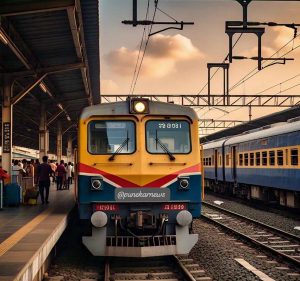
Special arrangements have also been made for devotees arriving by train. Five railway stations—Nashik Road, Deolali, Odha, Kherwadi and Kasbe Sukne—will be integrated into the shuttle network. Around 1,500 buses will support railway passenger movement, including 520 buses operating between railway stations and inner parking locations and 680 buses directly connecting railway stations with Trimbakeshwar.
Another 300 buses will be kept on standby. The railway-linked transport network is projected to handle approximately 8.26 lakh passengers daily.
During designated Amrit Snan days, when the highest pilgrim turnout is expected, private vehicles will be restricted to designated outer parking areas. Pilgrims will then use MSRTC shuttle services for onward travel, while the areas around Ramkund and the Trimbakeshwar Temple will function primarily as pedestrian zones.
The entire bus movement system will be monitored through GPS tracking and integrated with the Integrated Command and Control Centre (ICCC). Real-time monitoring will help regulate bus frequency, reduce waiting times and manage crowd pressure on high-demand routes.
NTKMA Commissioner Shekhar Singh said the transport plan has been designed with the convenience and safety of pilgrims as the top priority.
“Many devotees travel hundreds of kilometres to participate in the Kumbh Mela. Our focus is to ensure that the final few kilometres of their journey are organised, convenient and safe. The shuttle-based transport model has been designed to provide a smooth travel experience while efficiently managing large-scale crowd movement,” he said.
MSRTC Divisional Traffic Officer (DTO) Kiran Bhosale said special planning has been undertaken for the Nashik-Trimbakeshwar corridor, which is expected to witness the highest passenger movement during Amrit Snan days. He added that transport arrangements are also being synchronised with railway planning, including proposed special train services during peak pilgrimage periods.
Simhastha Kumbh Mela 2027: Public Transport Plan
4,500-Bus Integrated Network
• 3,000 buses for road-based shuttle movement
• 1,500 buses for railway passenger connectivity
• Capacity to handle over 33 lakh passengers per day
• 46 parking nodes connected through the shuttle network
• 5 railway stations integrated with bus services
Road Arrival Management
900 buses: Nashik outer parking areas to inner zones
• 1,485 buses: Nashik parking areas to Trimbakeshwar
• 325 buses: Internal Trimbakeshwar circuit
• 290 buses: Standby support
• Capacity: 25.36 lakh passengers per day
Rail Passenger Movement
520 buses: Railway stations to inner parking areas
• 680 buses: Railway stations to Trimbakeshwar
• 300 buses: Standby support • Capacity: 8.26 lakh passengers per day Amrit Snan Strategy
• Private vehicles restricted to outer parking areas
• MSRTC shuttles to provide last-mile connectivity
• Ramkund and Trimbakeshwar core areas to prioritise pedestrian movement
Smart Monitoring • GPS-enabled bus fleet • ICCC-based real-time tracking • Continuous route and frequency monitoring