The Business of Communalism in India: Who Benefits Amid Social Chaos?
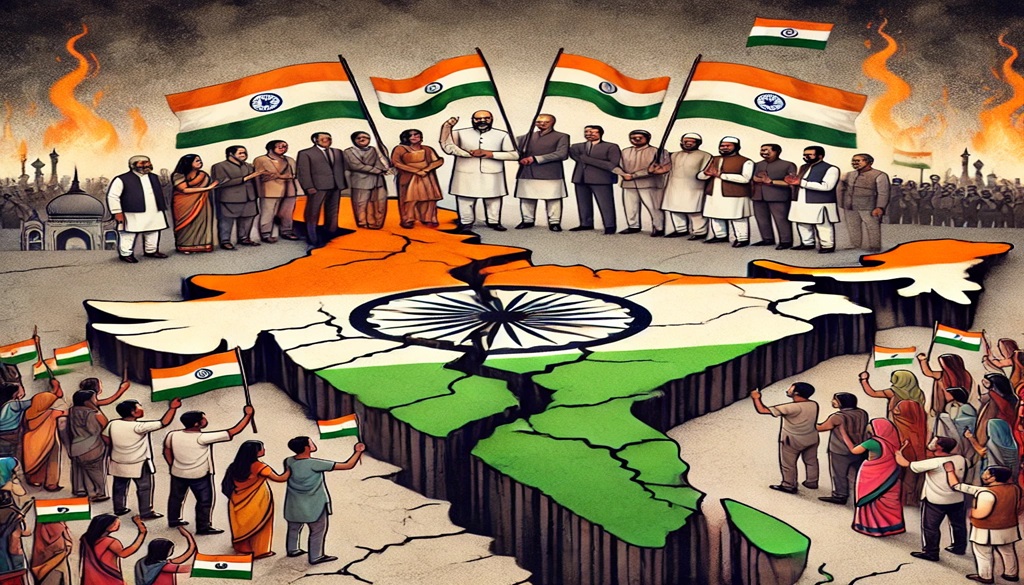
By Mubarak Ansari
Pune, 24th December 2024: Communalism in India often benefits specific political, social, and economic entities, though it causes significant harm to society at large.
Here’s an overview of who stands to benefit:
Political Parties
- Polarization for Votes: Political parties often use communalism to polarize voters along religious or ethnic lines, consolidating vote banks. This tactic shifts focus from governance, development, and real issues like education, healthcare, and infrastructure.
- Creating Fear and Loyalty: By stoking fears among particular communities, parties present themselves as “protectors,” ensuring loyalty from specific voter groups.
Extremist Groups
- Recruitment and Influence: Extremist organizations thrive on communal tensions, using them to recruit followers and justify their actions.
- Propaganda: Communal violence and strife are used to further their ideological narratives, gaining attention and support from radicalized sections of society.
Media Outlets
- Sensationalism for Profit: Some media outlets benefit from communal tensions by sensationalizing incidents to boost viewership, clicks, and revenue, often at the expense of balanced reporting.
- Narrative Control: Biased reporting can align with the interests of political or corporate sponsors, influencing public opinion.
Corporates and Businesses
- Diverted Attention: Controversial communal issues often distract citizens from holding corporations accountable for unethical practices or economic exploitation.
- Economic Opportunities in Reconstruction: After communal riots, some businesses benefit from rebuilding efforts, including real estate in affected areas.
Powerful Elites
- Maintaining the Status Quo: Communalism divides the working class and marginalized groups, preventing them from uniting against systemic issues like wealth inequality or caste oppression.
- Distraction from Core Issues: Communal strife shifts focus away from systemic failures like unemployment, corruption, and inflation.
Religious Leaders
- Increased Influence: Religious leaders often gain prominence and followers during communal tensions by positioning themselves as defenders of their faith.
- Donations and Support: Communal fear can lead to increased donations to religious institutions, strengthening their financial and social power.
Who Loses?
While these groups may benefit in the short term, society as a whole suffers due to communalism. It deepens divisions, disrupts social harmony, hinders economic progress, and causes immense human suffering.